
The Dow Chemical Fishing Tournament is set for Friday, October 30, 2026, with a saltwater team format that will send anglers across public waters in the Galveston Bay Complex before a San Leon weigh-in. For teams getting ready during the final week before the event, the key is not hype; it is timing, legal fish selection, clean measurement, and a clear plan for getting fish to Topwater Grill before the 2:00 PM line deadline. The event benefits United Way Galveston County Mainland, and its structure mixes competitive fishing with a local gathering point for anglers, families, sponsors, and community supporters.
Dow Chemical Fishing Tournament Timing And Site
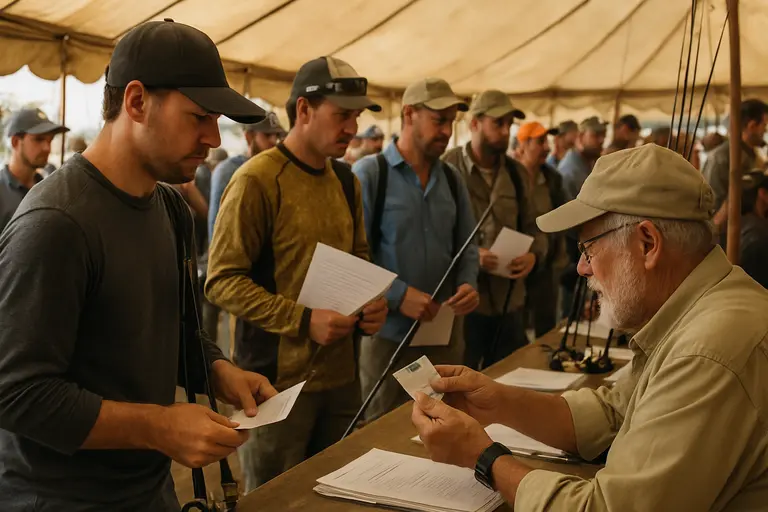
The official event page lists the tournament date as Friday, October 30, 2026, with fishing beginning at 6:00 AM and the weigh-in hosted at Topwater Grill in San Leon, Texas official tournament details. The weigh-in location opens at 12:30 PM, and anglers must be in line with fish in hand by 2:00 PM for those fish to count. Awards and raffle drawings are scheduled to start at 3:00 PM.
Dow Chemical Fishing Tournament Schedule
The schedule puts pressure on teams to fish efficiently. Launching before 6:00 AM is allowed, but lines cannot go in the water before the official start time. That means teams can stage near their first stop, but the competition clock does not begin until 6:00 AM. With the weigh-in line closing at 2:00 PM, teams have a narrow window to catch, measure, ice, transport, and present fish.
That timing should shape the way teams choose water. A long run may be tempting if a crew has confidence in a distant shoreline, bay, or beachfront stretch, but every minute spent running is a minute not spent fishing. The smart calculation is not just where the best bite might be. It is whether that location fits the 2:00 PM deadline with enough margin for boat traffic, ramp delays, weather shifts, and the handoff at Topwater Grill.
Why Topwater Grill Matters Logistically
Topwater Grill is more than a weigh-in address for this event. It is the hub where teams have to transition from fishing mode into tournament procedure. The official information says lunch, goodie bags, and tournament shirts will be provided or available for registered anglers around the late morning and early afternoon. That helps make the site a community gathering point, but teams still need to stay disciplined: fish in hand, in line, before 2:00 PM.
For readers interested in additional insights, our related participant notes break out more of the day-of structure for anglers building a team plan.
Team Format And Eligible Fishing Water
The event uses four-angler teams and is open to saltwater fishing by boat, pier, land, or kayak. Guides are not allowed to compete, though the rules say guides can be hired if they are not part of a sponsorship package. That format gives the field several ways to compete, from shallow-water boat teams to shoreline anglers who know a productive public stretch.
Eligible water is broad but specific. The listed public waterways include East Bay, Upper and Lower Galveston Bay, Christmas Bay, Chocolate Bay, Bastrop Bay, West Bay, Dickinson Bay, Clear Lake, Trinity Bay, and the beachfront from San Luis Pass to Rollover Pass, including the Galveston jetties. Because that area covers many styles of saltwater fishing, teams should choose tactics that fit their access and their ability to return on time.
Access Choices Shape The Game Plan
A boat team can cover more water, but it also faces launch timing, fuel, wind exposure, and a return run. A kayak team may fish smaller zones with more control, but it has to be realistic about distance and fish care. Pier and land-based teams may have fewer moves, yet they can reduce travel time and focus on legal fish in a known area.
The tournament does not reward a team for visiting the most spots. It rewards legal fish that fit the categories and arrive on time. That is where local knowledge matters. Anglers who understand tide movement, bait presence, and shoreline access around their chosen zone can fish with purpose instead of spending the morning chasing a pattern they cannot verify.
Fish Categories, Stringer Rules And Prizes
The team stringer category allows a maximum of five fish per team. The stringer may be made up of trout, flounder, and no more than two slotted redfish. Tagged reds are not allowed. For a team trying to place in stringer weight, that rule makes balance important. A heavy redfish helps, but the team cannot build the whole entry around redfish alone.
The heaviest fish categories are redfish, speckled trout, and flounder. Redfish must be 20 to 28 inches, with no tagged reds allowed. Speckled trout must be 15 to 20 inches, with no trout over 20 inches; the official rules also note a daily limit of three per person. Flounder must be at least 15 inches.
- Team stringer: first place pays $1,000, and second place pays $500.
- Heaviest redfish, speckled trout, and flounder: first place pays $400, and second place pays $200 in each category.
- Trophies are awarded for first, second, and third place in each fish category.
Measuring Is Part Of Competition
Every angler on the team should be clear on length rules before the first cast. Fish length rules are strict, and the tournament information says fish bellies may be checked for tampering. That makes a reliable measuring board as important as a favorite lure. A fish that looks close should be handled with caution, because one short or over-slot fish can turn a good morning into a missed opportunity.
The tie procedure also matters. If there is a tie, the fish weighed in earlier wins, with official time kept by the weigh master using National Central Time. That rule can reward teams that avoid pushing the deadline too hard. Getting in line earlier may matter if two fish hit the same weight.
Rules, Licenses And Team Preparation
Only rod and reel fishing is allowed, and every angler must have a valid Texas fishing license. Live bait and artificial lures are both allowed, so teams can plan around their strengths. Boats must meet state and federal safety standards, which is not just an event requirement; it is basic responsibility on a busy bay system.
Preparation for the final week should start with paperwork and safety, not tackle. Confirm licenses for all four anglers, inspect required boat gear if using a vessel, check measuring tools, and make sure the team understands the competition water. Since fish must be caught during tournament hours and in legal competition areas, teams should avoid any gray area that could put an entry at risk.
Practical Team Roles
A four-angler format works best when everyone has a job. One angler can track time and return distance. Another can handle measuring and fish care. One can manage bait or lure changes. Another can keep the team focused on category needs, especially if the stringer already has two redfish and needs trout or flounder to improve weight.
Those roles do not have to be formal, but they prevent confusion. Tournament mornings move fast. A team that decides who measures, who records, and who watches the clock is less likely to waste valuable minutes after a legal fish hits the deck.
Community Value Around San Leon
Fishing tournaments like this one are not only about standings. They bring anglers into local marinas, ramps, bait shops, restaurants, and waterfront gathering places. San Leon’s role as the weigh-in site gives the day a clear finish line and a social center after the fishing ends. For community-minded outdoor readers, that local connection is part of why these events keep drawing interest beyond the teams on the water.
Our broader community coverage sits alongside network sites such as Banat Zayed: A resource in our network, while this report stays focused on fishing rules, timing, and the local event footprint. The strongest events give anglers a fair field and give the host area a reason to gather.
Dow Chemical Fishing Tournament Community Impact
The Dow Chemical Fishing Tournament gives Galveston Bay anglers a defined competition day and gives United Way Galveston County Mainland a visible community event built around saltwater fishing. On October 30, 2026, the winning teams will likely be the ones that treat the rules as part of the sport: start at 6:00 AM, fish eligible water, measure carefully, protect their catch, and reach the San Leon line before 2:00 PM.
For anglers, the best preparation is straightforward. Know the categories, know the water, know the clock, and make sure every team member is legal and ready. The prizes matter, but so does the way a cleanly run tournament brings people together around the bay. That is the value of the event: competition on the water, shared energy at weigh-in, and a local cause tied directly to a Texas fishing day.