
Texas redfish changes are becoming part of the daily fishing conversation along the coast, from boat ramps in Corpus Christi to marsh edges near Sabine Lake. The confirmed research notes point to a complicated but useful picture for anglers: red drum populations are reported as increasing across multiple Texas estuaries, while the same waters face sea-level rise, warming, seagrass loss, wetland decline, salinity swings, drought pressure, and heavier development near nursery habitat. For redfish anglers, that means the sport is not just about where fish were caught last month. It is about reading habitat, freshwater inflow, tide movement, forage, and access with sharper eyes.
Why Texas Redfish Changes Matter To Anglers
Texas Redfish Changes In The Research Notes
The research packet lists a ScienceDirect article with a December 2026 publication date. Because today is October 25, 2026, that listed publication date is after the current date, so the findings are treated here as research-noted data rather than as a completed past publication. Those notes say red drum populations are increasing across multiple Texas estuaries despite documented environmental stressors, including relative sea-level rise of 4.7 to 7.4 millimeters per year and water temperature increases of about 0.03 to 0.13 degrees Celsius per year in the same estuary systems, according to the cited ScienceDirect article.
That matters for fishing analysis because redfish are not disappearing from the Texas conversation. The research notes instead describe a fishery with strong population signals in places where habitat and water quality pressures are also building. On the water, that can produce trips where redfish remain catchable, but the pattern behind them changes. A shoreline that held bait under one salinity setup may lose its pull after drought. A grass flat that once spread juvenile fish and forage may become less dependable if seagrass cover keeps shrinking.
Population Signals And Pressure Points
The most practical reading for anglers is balance. A population increase across estuaries does not cancel out habitat loss, and habitat loss does not automatically mean every bay has poor fishing. Texas redfish changes show up in how fish use space. If nursery habitat contracts, if salinity pushes prey out of familiar water, or if marsh edges erode, redfish may concentrate in fewer usable zones.
That is where experienced local anglers gain an edge. They watch bait first, then water movement, then structure. A redfish bite can stay good while the reason for that bite shifts from a broad flat pattern to a tighter drain, reef, cut, or shoreline with better food. The sports side of this is direct: tournament teams, kayak anglers, wade fishermen, and weekend boaters all have to make faster decisions when the best water becomes less evenly spread.
Habitat Loss Is Changing The Map
Seagrass And Wetland Edges
The research notes report that seagrass cover in Aransas Bay and the Upper Laguna Madre has dropped by up to about 34 percent, with a significant long-term decline identified in the Upper Laguna Madre. Those are not small changes for red drum fishing. Seagrass supports forage, gives juvenile fish cover, and helps anglers identify productive flats. When grass thins out, the map in an angler’s head has to change.
Wetlands are part of the same story. The notes say emergent wetland areas have declined across multiple bay systems, with Sabine Lake showing significant losses. Marsh edges and wetlands matter because juvenile red drum use protected, food-rich habitat before they grow into the slot fish that draw so many Texas anglers to the coast. If those edges shrink, the fishery can still produce, but the community has less margin for poor water years, storms, or extended drought.
For local fishing clubs and tournament directors, habitat loss affects more than catch rates. It can influence launch choices, weigh-in timing, boat traffic patterns, and how anglers spread out across a bay. A tournament field that once divided itself among many productive grass lines may crowd the fewer areas still holding bait and clean water. That creates both competitive pressure and stewardship pressure.
Sea Level Rise And Local Access
Sea-level rise adds another layer for redfish habitat and angler access. A Texas General Land Office report lists long-term gauge trends of about 5.33 millimeters per year at Rockport from 1937 to 2020 and 5.48 millimeters per year, plus or minus 0.98 millimeters per year, at Corpus Christi from 1983 to 2022, according to the GLO report. The same research notes also describe natural land subsidence rates that vary from about 0.7 millimeters per year in South Texas around Nueces and Corpus Christi to 1.5 to 3.5 millimeters per year in northern coastal areas such as Galveston, Freeport, and Sabine Pass.
For anglers, those numbers become visible through marsh loss, island change, shoreline erosion, and shifting access. A cut that once protected bait may widen. A rookery island or marsh point that broke wind and current may lose shape. A shallow flat may fish differently when water levels, bottom condition, and edge habitat shift over time. Redfish can adapt, but anglers have to update their routes and expectations.
Salinity, Freshwater Inflow, And The Bite
South Texas Bay Decisions
Salinity is where Texas redfish changes become most obvious during a fishing day. The research notes say salinity variation is increasing because of persistent droughts and reduced freshwater inflows, especially in South Texas estuaries such as Nueces and Corpus Christi bays. Lower inflows can reduce nutrients and prey species that matter to red drum. That is a fishing issue, not just a water-management issue.
The notes also identify an emergency order in August 2026 that spared Corpus Christi from releasing reservoir water into Nueces Bay. The concern listed in the research is that salinity rise and habitat degradation for prey species may show harm after a delay. As of October 25, 2026, that is best framed as a confirmed concern from the research notes, not a claim that specific fishing losses have already been measured from that order.
Anglers should treat that kind of situation the way good redfish anglers always treat changing water: verify conditions at the ramp and on the flat. If mullet, shrimp, crabs, and small finfish are absent, redfish may not stay long. If bait is stacked near a drain, pass, shell edge, or deeper gut, the fish may be close even if nearby shorelines look empty.
Reading Conditions At The Ramp
Most anglers do not carry lab tools, so the field read matters. Water color, tide strength, bait schools, bird activity, and shoreline life can tell a story. In a drought-stressed bay, saltier water may not always be better if the food chain has thinned out. After a rain or flood pulse, fresher water may move fish until the system mixes again. The point is to avoid fishing memories instead of conditions.
For readers tracking salinity patterns across the coast, the San Luis Pass example remains useful. Our prior coverage of redfish and July salinity showed how runoff can push anglers toward saltier pockets, surf influence, bait movement, and current seams. The same thinking applies farther down the coast when drought and low inflow create a different kind of salinity puzzle.
- Look for bait before committing to a shoreline.
- Compare protected marsh edges with open-bay grass and shell.
- Watch for drains, passes, and current seams that gather forage.
- Adjust lure depth and speed when water heats or clarity changes.
- Respect crowded productive zones during club events and weekend traffic.
Community Events And Shared Water
Tournament Planning Without Guesswork
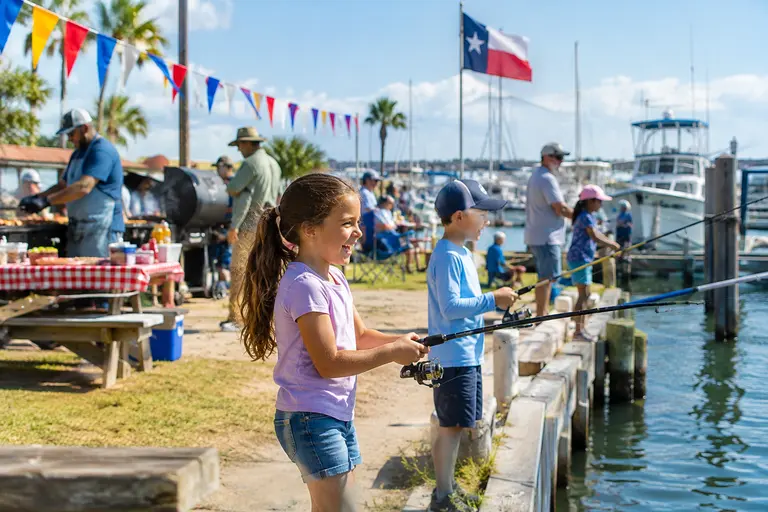
Redfish events along the Texas coast depend on fair rules, safe access, and a fishery that can handle attention. Environmental change affects each piece. If grass loss concentrates fish, tournament pressure may cluster. If sea-level rise or erosion changes launch conditions, directors and anglers may need more conservative travel planning. If drought changes bait distribution, scouting becomes less about tradition and more about current water quality.
That does not take the fun out of the sport. It gives the community better questions. Which bay systems are holding forage? Which shorelines still support nursery function? Which launch areas remain safe during changing tides and weather? Those are the same questions that help local guides, youth events, conservation groups, and weekend families share water without leaning too hard on one spot.
Texas coastal culture has always mixed fishing with broader outdoor life. Some families split weekends between the bay, local food stops, youth sports, and even explore outdoor communities like Copeland Hills Golf for a change of pace. The common thread is access: people need healthy places to gather, compete, relax, and pass on skills.
What Has Changed For The Everyday Angler
The biggest change is not that redfish have become impossible to catch. The research notes do not support that claim. They point to red drum increases across multiple estuaries while also showing pressure on the habitat that supports the long-term fishery. That is why a good fishing report now needs more than a lure color and a launch point. It needs context on water level, salinity, grass, marsh edge, and forage.
For a Saturday angler, that may mean building a flexible plan. Start with the bay you know, but be ready to shift from a grass flat to a drain, from skinny water to a deeper edge, or from a shoreline pattern to a pass-influenced bite. For tournament anglers, it means scouting conditions, not just waypoints. For the community, it means habitat reports and fishing reports belong in the same conversation.
Texas Redfish Changes In Texas Waters
Texas redfish changes are best understood as a mixed signal: red drum remain a strong part of Texas fishing, while the places that raise, feed, and concentrate them are under pressure. The confirmed research notes describe population increases across estuaries, rising relative sea level, warming water, growing developed land near estuaries, seagrass decline, wetland loss, salinity variation, and drought-driven inflow concerns.
For anglers, the response is practical. Fish the conditions in front of you. Track bait. Respect habitat. Share information through clubs, ramps, and community events without overstating what is known. Redfish are still giving Texas anglers memorable days, but the smartest anglers are paying closer attention to why those days happen and what changing water may mean for the next trip.