
Fishing tournament infrastructure is not background noise for anglers; it is part of the competition plan. A good ramp can set the morning launch order, parking can decide whether teams arrive calm or scrambled, and weigh-in space can shape fish care after a long day. From a Texas redfish angler’s view, the lesson is plain: local access projects are sports facilities, even when they look like boat ramps, sidewalks, docks, and parking lots.
Across several states in 2026, access work tied to ramps, piers, parking, docks, and shoreline improvements showed how public investment can support fishing competition and local outdoor recreation. Some projects were completed before events. Others were funded or still in progress as of October 30, 2026. The confirmed record does not support calling every site a tournament stop, but it does show a pattern that matters to tournament directors, clubs, families, guides, bait shops, and host towns.
Why Fishing Tournament Infrastructure Matters
Fishing Tournament Infrastructure Starts At The Ramp
The first competitive pressure point is the launch. In bass, walleye, redfish, and multi-species events, the ramp is where timing, safety, and fairness meet before sunrise. A crowded single-lane ramp can stretch a launch window. Limited trailer parking can push teams onto shoulders or side streets. Poor pedestrian movement can mix anglers, families, volunteers, and trucks in the same tight lanes.
That is why fishing tournament infrastructure has to be judged like a sports venue. The field may be the lake, bay, river, or pond, but the tournament still depends on fixed facilities. Tournament staff need room for check-in, boat inspection, launch staging, and weigh-in traffic. Anglers need reliable water access. Spectators and families need safe places to stand without getting in the way of teams handling fish and equipment.
Massachusetts gave a clear example on September 16, 2026, when it announced an $820,000 investment at the Mashpee-Wakeby Pond boat ramp to add green stormwater infrastructure, accessible parking, and pedestrian pathways while improving public access and water quality, according to Mass.gov. The tournament value is not just more pavement. Accessible routes, cleaner runoff handling, and safer movement around a launch site can help an event operate without turning the ramp into a bottleneck.
What Competitive Anglers Notice First
Anglers tend to read infrastructure fast because tournament mornings leave little slack. Before a redfish team ever looks for bait moving on a shoreline, the crew has already judged the ramp grade, dock height, current at the launch, lighting, parking flow, and whether the site has enough space for a line of truck-and-trailer rigs. Bass teams working inland lakes make the same kind of read.
The most useful tournament sites usually solve several basic problems at once:
- Enough ramp capacity to keep launch order moving without rushing boat handling.
- Trailer parking close enough to avoid long walks and road conflicts.
- Dock space that lets crews load gear, stage safely, and clear the ramp quickly.
- Weigh-in or gathering space that separates fish handling from vehicle traffic.
- Shoreline access and walkways that include youth anglers, families, and volunteers.
Those details may sound plain, but they decide how cleanly a tournament runs. They can also decide whether a site can handle youth divisions, charity formats, team trails, kayak events, or larger championship fields.
Recent Projects Show The Sports Value Of Access
Nebraska’s Windmill SRA Project
In April 2026, Nebraska completed the Windmill State Recreation Area aquatic habitat restoration project. The work covered five of six lakes and included ADA-compliant fishing piers, new sidewalks, parking upgrades, shoreline access improvements, and habitat structures, according to the Nebraska Game and Parks Commission. That mix matters because tournament access is not only about motorboats. Bank anglers, youth anglers, and community members need shoreline facilities that let them be part of the event day.
For tournament operators, habitat and access belong in the same conversation. Habitat structures can influence where fish hold, while piers and shoreline upgrades can broaden who can fish or watch. Parking and sidewalks support the people side of the event. In a community setting, that can be the difference between a weigh-in that feels closed off and one that works as a gathering point.
Texas And The Toledo Bend Example
Texas anglers saw a direct example at Toledo Bend Reservoir. The Sabinetown Recreation Area was developed and completed in time to host the Fishers of Men National Championship bass tournament on March 28, 2026. The research record describes the 260-acre recreation area as tournament-friendly and built with public access improvements that support competitive fishing events.
That point carries weight for our crowd because Toledo Bend is not a casual name on a map. Big reservoirs need launch capacity, room for teams to stage, and enough land-side organization to handle tournament traffic. On the coast, redfish events face different water and weather problems, but the access math is familiar: if the launch site fails, the tournament feels it before the first cast.
Texas Sportsmen has tracked this issue through a local lens, including how Texas fishing infrastructure changes access for anglers planning around reservoirs, banks, and coastal flow patterns. The same logic applies to tournaments. Access work is not separate from competition; it helps decide whether an event can start on time, handle teams safely, and keep the community tied to the weigh-in.
Parking, Docks, And Fish Care Shape Event Quality
More Than A Place To Launch
Good fishing tournament infrastructure extends past the ramp. Parking determines whether teams can arrive in waves without blocking local traffic. Docks determine whether boats can load coolers, tackle, batteries, and safety gear without stacking up. Fish-cleaning stations do not replace tournament fish-care rules, but they show whether a site was planned for heavy angler use. Electrical service, potable water, dock access, and safe pedestrian routes can all matter on long event days.
The 2026 project list shows this point across different regions. The Belhaven Boating Access Area in eastern North Carolina opened on April 30, 2026, with a new ramp facility on Highway 99 at Pantego Creek and space for 75 truck-and-trailer units. In St. Charles Parish, Louisiana, officials broke ground on the Des Allemands Boat Launch project on January 6, 2026; phase one was described as including docks, two fish-cleaning stations, more than 100 vehicle parking spaces, and more than 200 feet of dock space. Those are not just amenities. They are event operations pieces.
Commercial waterfront work can also overlap with fishing-event needs, though the purpose is not always tournament-first. On October 27, 2026, the Port of Grays Harbor in Westport, Washington, received a $6.274 million federal grant to replace Float 15, a commercial fishing dock, with finger piers, upgraded utilities, fire suppression, potable water, and improved dock access. On the same date, reporting from Kodiak, Alaska, said federal funding was approaching 50% of the roughly $100 million St. Herman Harbor replacement. That Alaska project was still not complete as of October 30, 2026, so its tournament impact remains a future facility question, not a finished result.
Rules Can Make Access Sites Part Of Compliance
Michigan’s 2026 fishing regulations add another angle. The research record says bass, walleye, and Muskellunge tournaments must register through the state’s Fishing Tournament Information System, with tournament events defined as up to five days and tied to a single boat access site or designated weigh-in location. That kind of rule turns infrastructure into part of compliance. A ramp or weigh-in site is not just convenient; it can become the official anchor for the event.
For directors, that means site choice is part of the rule book. A strong fishery with poor access may not fit a tournament format. A smaller venue with clean traffic flow, safe docks, and workable weigh-in space may serve competitors better. For anglers, this is the same kind of pre-event homework as checking boundaries, launch order, and length rules.
Community Planning Around Tournament Access
Local Businesses Feel The Ramp Schedule
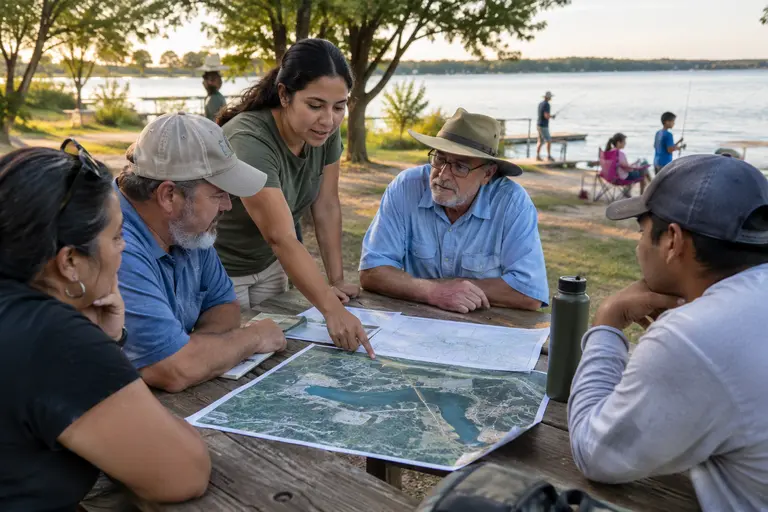
Infrastructure projects tied to fishing also reach beyond the water. A tournament field brings fuel stops, ice runs, meals, lodging, bait sales, marine repair needs, and family traffic. The effect depends on field size, event format, season, and location, so it should not be overstated without local numbers. Still, the connection is real enough for towns to plan around access sites as public recreation assets.
That is where the sports calendar and the town calendar meet. If a ramp upgrade improves launch flow, it can reduce friction for competitors and for local residents using the same area. If parking is planned well, tournament traffic is less likely to spill into neighborhoods. If walkways and accessible routes are built into the site, more people can take part in youth weigh-ins, charity events, and club gatherings.
For readers who follow broader sports-business and community coverage across the same network, SCAR Sports offers insights into how facilities and event planning shape local sports experiences in various settings. Fishing deserves that same lens because boat ramps, piers, docks, and shoreline parks function like field houses for our sport.
What Texas Organizers Can Take From 2026 Projects
Texas tournament organizers do not need to copy every out-of-state project. Coastal redfish events, reservoir bass tournaments, youth bank-fishing events, and kayak formats each need different layouts. The useful takeaway is the checklist. Can teams launch without delay? Is there enough trailer parking? Can volunteers move safely? Is the weigh-in area separated from launch traffic? Are families and anglers with disabilities included in the design?
Those questions should sit beside fishery questions. A tournament director can have strong participation and a good bite, but a tight ramp or weak parking plan can still sour the day. In my corner of the Texas fishing community, the best-run events are the ones where the site lets anglers focus on water, wind, tide, bait, and decisions under pressure instead of fighting the parking lot before daylight.
Local Infrastructure And Future Tournament Days
The confirmed 2026 examples point to a practical lesson: fishing tournament infrastructure is part of competitive readiness. Mashpee-Wakeby Pond’s announced ramp investment, Windmill SRA’s completed access and habitat work, Toledo Bend’s Sabinetown Recreation Area, Belhaven’s truck-and-trailer capacity, and the Des Allemands launch project all show different ways local facilities can support fishing activity.
Not every access project guarantees a tournament, and not every tournament needs a large facility. Small club events can thrive at modest ramps when the field size matches the site. Larger championships need more room, stronger traffic flow, and clear weigh-in logistics. The best planning matches the event to the facility instead of forcing a crowd into a site that cannot handle it.
For Texas anglers and host towns, the message is steady: build and maintain the places where the sport begins and ends. The cast may win the fish, but the ramp, dock, parking lot, and weigh-in space help decide whether the tournament day works for competitors and the community.