
The Tuff Man Bass stop at Stillhouse Hollow Lake is no longer an upcoming date on the calendar. Event Two of the 2026–2027 TuffMan Series was held on Sunday, October 4, 2026, and the results give Texas anglers a clear read on how a strong field handled a NON-FFS format, a five-fish limit chase, and a competitive Central Texas venue. With 72 teams entered, the event offered both a tournament recap and a useful scouting report for teams now turning their attention to the next confirmed TuffMan date at Richland Chambers Lake on Sunday, November 8, 2026.
Tuff Man Bass Results At Stillhouse Hollow
The Winning Limit And Podium Weights
Byron Albrecht and Michael Johnson won Event Two at Stillhouse Hollow with a five-fish limit weighing 16.69 pounds, earning the $5,000 first-place payout, according to the official Event Two results. Mike Kramolis and John Herrera finished second with 15.55 pounds, while Jacob Froese and Jeff Froese took third with 15.37 pounds.
Those margins show how tight the top of the standings was. The gap from first to second was 1.14 pounds, and the difference between second and third was only 0.18 pounds. In a field of 72 teams, that kind of spread means one cull, one lost fish, or one bigger keeper could have shifted the payout picture. It also points to a tournament where several teams found quality bites, but the winning team paired size with a full five-fish limit.
What Tuff Man Bass Weights Showed
The total field brought 541.66 pounds of bass to the scales across 239 fish. That works out to just over 2.26 pounds per weighed bass, based on the posted totals. For anglers tracking Tuff Man Bass competition, that number helps frame the event. It was not a one-fish shootout, even though the big-bass race mattered. Teams needed steady keepers, clean execution, and enough quality to stay above the mid-pack crowd.
The official results also listed 238 fish released out of 239 weighed, a release rate of about 99.6%. That conservation number matters in a community tournament setting because it shows how tournament handling, weigh-in flow, and angler care can support competition without turning the event into a heavy harvest day.
Why The NON-FFS Format Mattered
How Teams Had To Fish Without Forward-Facing Sonar
Stillhouse Hollow was designated as a NON-FFS event, meaning forward-facing sonar was not allowed. The posted event information also noted lock-out and equipment inspection procedures. That format matters because it changes how teams build a tournament day. Without forward-facing sonar, anglers had to lean more heavily on practice, seasonal positioning, casting accuracy, traditional electronics, timing, and decision-making on each area they chose to fish.
The Tuff Man Bass field still produced a winning limit near 17 pounds, which speaks to the ability of top teams to adjust inside the event rules. A no-forward-facing-sonar setup does not make the fishing easier; it shifts the contest toward pattern work, boat control, and confidence in areas chosen before the first cast of the day. For weekend anglers watching the results, that is one of the best takeaways from the Stillhouse Hollow stop.
Why Equipment Rules Shape Strategy
Equipment rules are not just paperwork. They define what kind of fishing contest is being held. At Stillhouse Hollow, the NON-FFS designation placed every team under the same core limit on forward-looking technology. That made preparation and compliance part of the sports story, especially with lock-out and inspection procedures tied to the event.
For teams preparing for future events under similar rules, the lesson is direct: read the event page early, know the restricted equipment, and build a plan that fits the format. A team that spends practice time finding fish one way and then has to fish a different way on tournament day is already behind.
Big Bass And Field Depth
The Tatum Team’s 6.90-Pound Fish
The Big Bass of Event Two was a 6.90-pound largemouth caught by Cris Tatum and Justin Tatum. Kooper Key and Dillion Gray had the second-largest bass at 6.19 pounds. In a tournament where the winning total was 16.69 pounds, a fish near seven pounds carried major scoreboard weight. It could anchor a limit, move a team into the money range, or keep a team relevant even if the rest of the bag was modest.
That is one reason Stillhouse Hollow results are worth studying beyond the top three. Big fish changed the event math. A team with one standout bass still needed supporting keepers, but a single quality bite could separate a respectable finish from a check-level finish.
What The Numbers Say About The Field
With 72 teams competing and 239 fish weighed, the average team brought a little more than three fish to the scales. That does not tell the whole story because some teams had full limits and others did not weigh fish, but it does show that filling a limit was valuable. Five fish gave teams more chances to build weight and reduced the pressure of needing one giant bass to save the day.
This is where tournament discipline shows up. Teams that found enough bites, protected their fish, and made smart culling choices had the best chance to climb. Stillhouse Hollow did not require a monster bag to finish high, but it did reward teams that combined one or two better fish with a complete limit.
Community Takeaways From Stillhouse Hollow
Why Local Tournament Days Matter
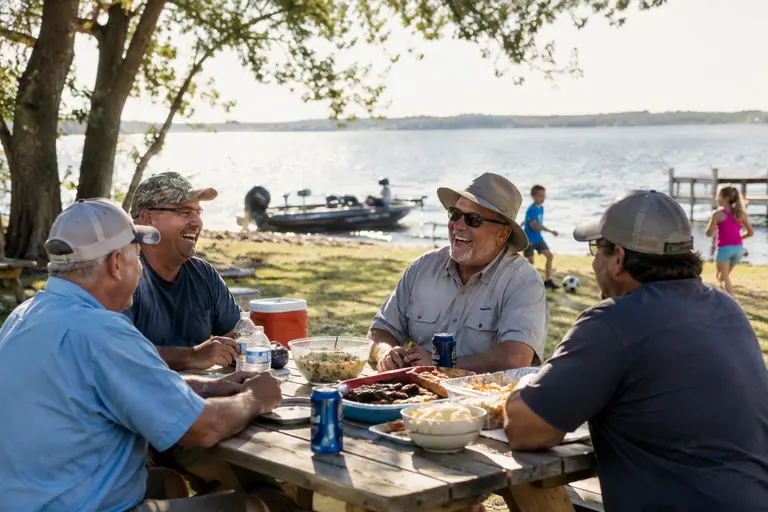
Tuff Man Bass events bring more than weigh-in drama. They give local anglers a shared date, a shared rules package, and a reason to compare notes after the scales close. That kind of event builds community because boaters, co-anglers, families, and local supporters all gather around the same contest. Even after the results are posted, the talk continues: where the bite came from, how the NON-FFS rule changed choices, and what the next lake might demand.
For readers interested in broader sports activities and updates, Sports Wire News provides insights into sports schedules and related stories across the network. At Texas Sportsmen, the emphasis remains on how these events impact local anglers and the fishing scenes around them.
Scheduling Lessons For Texas Anglers
The Stillhouse Hollow event also fit into a busy October stretch for Texas bass anglers. Tournament weeks can create short recovery windows, gear prep demands, and travel decisions, especially when teams fish more than one circuit. That is why planning between events matters as much as the practice day itself, a point that also showed up in our coverage of back-to-back October bass plans.
Tuff Man Bass events reward teams that treat scheduling as part of competition. Pre-registration deadlines, off-limits periods, equipment rules, and travel timing all affect performance. For Event Two, pre-registration closed at 5:00 PM on Thursday, October 1, 2026, and the off-limits period began at midnight on Sunday, September 27, 2026. Those dates mattered before any team made its first cast on October 4.
What The Results Mean For Richland Chambers
The Next Confirmed Series Date
The next TuffMan Series event listed in the research is Event Three at Richland Chambers Lake on Sunday, November 8, 2026. As of October 31, 2026, that date is still ahead. The Stillhouse Hollow results should not be treated as a direct forecast for Richland Chambers, because the lakes are different and the event conditions may not match. What the results do provide is a competitive baseline from the most recent completed stop.
For Tuff Man Bass teams, that baseline is useful. A winning weight of 16.69 pounds at Stillhouse Hollow, a 15-pound range podium, and a 6.90-pound big bass all set a standard for execution. Teams heading to the next event can study how narrow the gaps were and use that as a reminder that every legal bass, every cull, and every decision at the ramp can matter.
Practical Prep Points From Event Two
The confirmed Stillhouse Hollow facts point to several practical habits. Know the format. Respect off-limits periods. Register before the deadline. Prepare for equipment checks when rules call for them. Build a plan that can produce five scorable fish, not just one highlight catch. Keep fish care sharp, because a 99.6% release rate sets a strong standard for the field.
Those are not theories. They are lessons taken from a completed event with posted results. The teams at the top of the standings did enough right under the rules that were in place, and the field as a whole produced a large release number while still bringing more than 500 pounds of bass to the scales.
Stillhouse Hollow Tuff Man Bass Takeaways
The Stillhouse Hollow stop gave anglers a clear snapshot of competitive bass fishing under a NON-FFS format. Byron Albrecht and Michael Johnson took the win with 16.69 pounds, the podium stayed tight, and the big-bass race was led by Cris Tatum and Justin Tatum with a 6.90-pound fish. The field weighed 239 bass for 541.66 pounds and released nearly every fish weighed.
For the Texas bass community, the value of the event goes past the standings sheet. It showed how rules, preparation, conservation, and local participation all meet on tournament day. It also gave teams preparing for Richland Chambers a recent example of how small margins decide checks. Stillhouse Hollow is now in the books, but its lessons remain useful for anglers who want to fish cleaner, plan smarter, and compete within the format placed in front of them.