
Texas offers one of the most diverse inshore fisheries in North America.
Stretching more than 350 miles along the Gulf Coast, the state’s bay systems provide a complex network of marshes, grass flats, oyster reefs, and tidal passes that create ideal habitat for redfish year-round. While red drum can be found across nearly the entire coastline, certain bay systems consistently produce stronger numbers of slot-sized redfish, making them favorites among both recreational anglers and tournament teams.
Understanding how each region behaves — from muddy marsh systems in the upper coast to the crystal-clear flats of the Lower Laguna Madre — allows anglers to plan trips more effectively and adjust tactics based on local conditions.
The Upper Coast: Sabine Lake And Galveston Bay
The Upper Texas Coast is defined by marsh systems and nutrient-rich estuaries fed by major rivers. These environments produce strong bait populations, which in turn support healthy redfish numbers.
Sabine Lake, located along the Texas–Louisiana border, is widely known for its marsh drains and shallow ponds that hold redfish throughout much of the year. Anglers targeting moving tides often find success fishing the narrow channels connecting marsh lakes to the main bay.
Galveston Bay, the largest estuary along the Texas coast, provides a different but equally productive environment. Its extensive shoreline structure and oyster reefs create reliable feeding zones where redfish intercept baitfish and shrimp.
| Bay System | Key Habitat | Typical Redfish Pattern |
|---|---|---|
| Sabine Lake | Marsh drains & ponds | Slot fish moving with tides |
| Galveston Bay | Oyster reefs & shorelines | Consistent year-round fish |
Wind protection becomes an important factor in this region, as weather systems can quickly churn shallow bays. Successful anglers often target protected shorelines and marsh pockets when conditions become rough.
The Mid Coast: Matagorda And San Antonio Bays
Moving south along the coastline, the Mid Coast region offers a blend of marsh habitat, open bay systems, and tidal passes connecting directly to the Gulf.
Matagorda Bay is widely considered one of the most balanced fisheries in Texas. Both East and West Matagorda provide strong populations of slot fish, particularly around grass edges and oyster reefs where bait gathers during tidal movement.
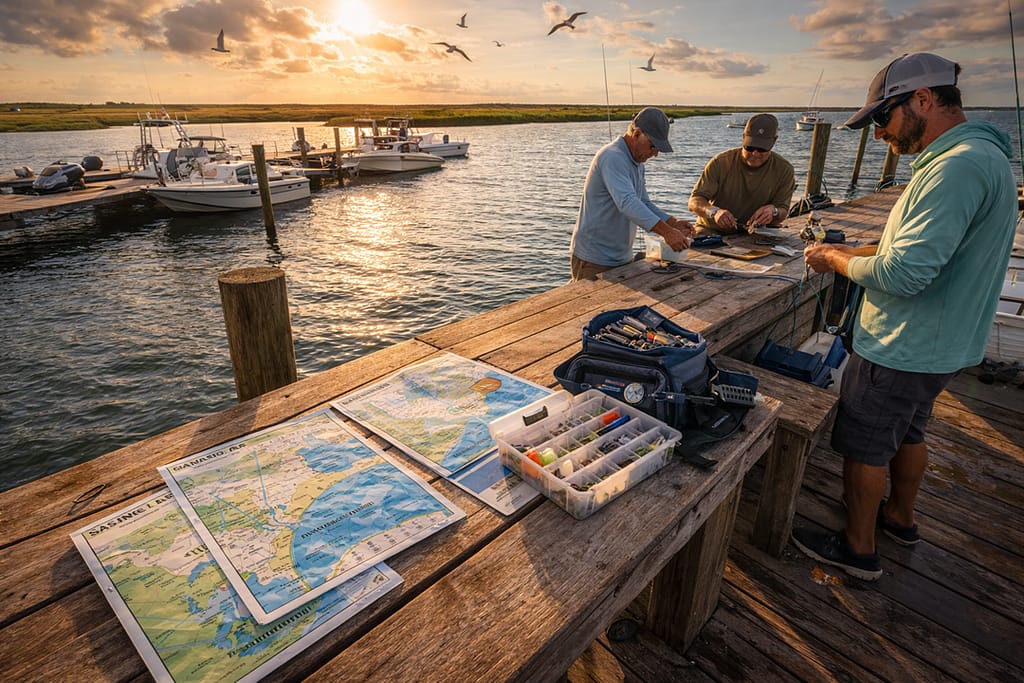
San Antonio Bay, located just south of Matagorda, receives freshwater input from multiple rivers. This mixture of freshwater and saltwater creates ideal estuarine conditions that support a stable redfish population.
Anglers frequently target shorelines and marsh edges where bait funnels along shallow structure. During outgoing tides, drains connecting marsh ponds to the main bay can produce steady action.
These mid-coast systems reward anglers who understand how to read subtle water movement and bait concentration.
The Lower Coast: Laguna Madre And Baffin Bay
The Lower Texas Coast offers a dramatically different environment from the rest of the state.
The Laguna Madre is one of the few hypersaline lagoons in the world. Its shallow grass flats and clear water create excellent sight-fishing opportunities for redfish throughout much of the year.
Anglers here often locate fish visually by spotting wakes, tails, or subtle movement across the flats. Because the water is so shallow, stealth becomes critical. Quiet boat positioning and longer casts can dramatically improve success rates.
Baffin Bay, located along the southern portion of the Laguna Madre system, is famous for its rock structure and large predator fish. While it is best known for trophy speckled trout, redfish are also common along shallow shorelines and grass beds.
| Bay System | Water Clarity | Primary Technique |
|---|---|---|
| Laguna Madre | Very clear | Sight fishing on flats |
| Baffin Bay | Moderate clarity | Structure and shoreline fishing |
The calm, shallow nature of this region makes it particularly productive during spring and summer when redfish spread across expansive grass flats.
Seasonal Patterns Across Texas Bay Systems
Although each bay system offers unique characteristics, seasonal patterns often influence redfish behavior statewide.
Spring typically brings warming water temperatures that push fish onto shallow flats where baitfish begin returning to coastal marshes. During summer, redfish often shift between deeper channels during midday and shallow feeding zones during early mornings and evenings.
Fall is widely considered the most exciting period along the Texas coast, as large schools of bull redfish migrate toward passes and nearshore waters in preparation for spawning. This migration pattern is explored in detail in our guide to fall bull reds in Texas.
Winter slows activity somewhat, but redfish remain present in deeper mud-bottom areas where water temperatures remain more stable.
Understanding these seasonal adjustments helps anglers adapt their approach no matter which bay system they choose to fish.
Why Habitat Diversity Drives Redfish Success
The strength of the Texas redfish fishery comes from its habitat diversity.
Marshes, grass flats, oyster reefs, and tidal passes each provide different feeding opportunities that support redfish at various life stages. This range of habitats ensures that fish can relocate quickly when environmental conditions change.
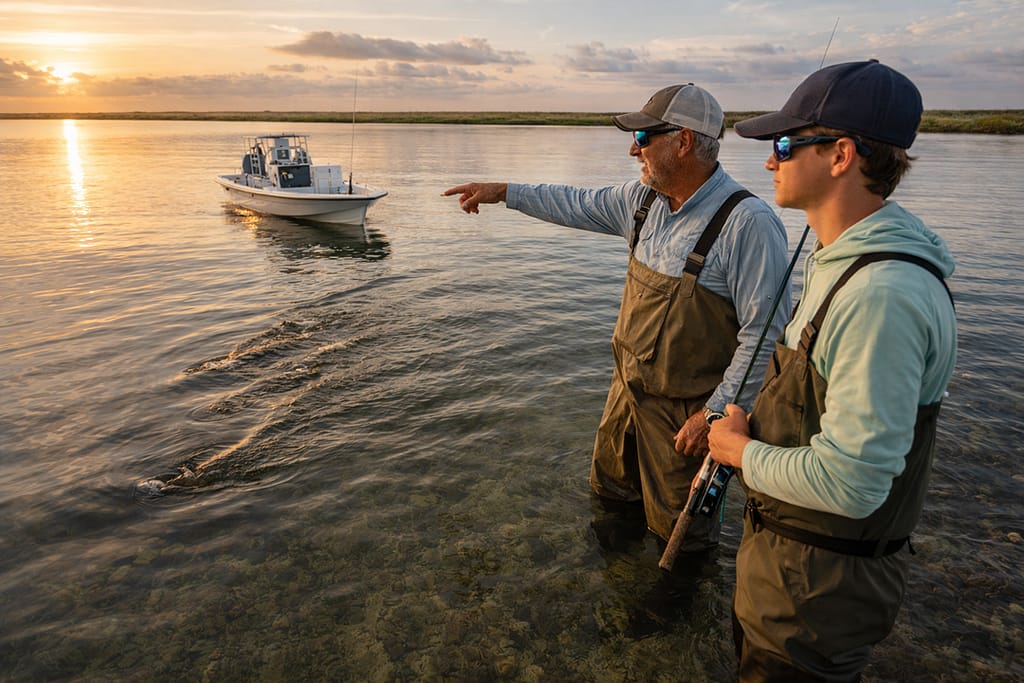
According to research and population monitoring conducted by the Texas Parks & Wildlife Department, redfish populations remain healthy throughout the Texas coast thanks to careful fishery management and strong habitat support.
For anglers, this means that productive fishing opportunities exist nearly everywhere along the coastline — provided they understand how to read the water and adjust to local conditions.
Choosing The Right Bay For Your Redfish Trip
Selecting the best Texas bay for redfish fishing often depends on the type of experience an angler is seeking.
Those who enjoy fishing marsh drains and protected backwaters may prefer the Upper Coast systems such as Sabine Lake or Galveston Bay. Anglers seeking a balance of structure and open water often gravitate toward Matagorda and San Antonio Bays.
Meanwhile, sight-fishing enthusiasts frequently head south to the shallow flats of the Laguna Madre where visibility allows anglers to spot fish before casting.
Each bay system offers its own rhythm, but the common thread remains consistent: redfish thrive throughout the Texas coast.
For coastal anglers willing to study regional differences and seasonal patterns, these bay systems provide some of the most rewarding inshore fishing opportunities anywhere in the Gulf of Mexico.