
As of August 26, 2026, the Bolivar Fishing Pier project has moved from a hoped-for July public opening to a year-end construction marker, giving coastal anglers a clearer but still cautious timeline for one of the peninsula’s most watched fishing access projects. The work is tied to the former Rollover Pass area, where public fishing culture, coastal restoration, and local visitor traffic all meet in a single high-interest site.
Why The Bolivar Fishing Pier Delay Matters
The delay matters first because fishing access on Bolivar Peninsula is not a side issue for local sportsmen. Pier fishing gives bank anglers, families, youth anglers, and visiting saltwater fishermen a way to reach Gulf water without owning a boat. When a major public pier is delayed, the effect is felt in trip planning, bait-shop traffic, family outings, and local tournament-adjacent activity.
The original Rollover Pass was closed in September 2019, leaving a long gap in public Gulf-front fishing access tied to that location. The new project is intended to answer that gap with a purpose-built pier and park setting rather than a reopened pass. The Texas General Land Office identifies the work as part of the Rollover Pass project, which includes Bayside Park on the former pass footprint and improvements tied to nearby public access, according to the Texas General Land Office project page.
Bolivar Fishing Pier Timeline For Anglers
The Bolivar Fishing Pier construction start in mid-March 2025 was an important date for anglers who had been waiting for visible progress. Research on the project lists the pier as a Gulf-side concrete structure with a T-head design and a length around 1,000 to 1,100 feet. That kind of reach matters in a fishing sense because longer piers can give anglers access to more water depth, current variation, and species movement than a short shoreline platform.
Officials had targeted a July 2026 public opening, but that window passed before the facility opened. The confirmed schedule information in the research now points to a construction contract extension through December 24, 2026. That date is not the same as a guaranteed public opening date. The revised expectation in the research is late 2026 or early 2027 for full public opening of both the new fishing pier and Bayside Park.
What The Project Includes For Anglers
The fishing draw is the pier, but the full site plan is broader than a walkway over the Gulf. Research on the project lists a bait shop or vendor stand, restrooms, ADA accessibility, a fish-cleaning station, visitor parking, lighting, and a dune walkover. The GLO also described construction underway on a 1,000-foot-long fishing pier with a bait shop and fish-cleaning station in a GLO construction update.
For anglers, those features are not cosmetic. A bait option near the pier can change how families plan a half-day fishing trip. Restrooms and parking can make the site more workable for older anglers, youth groups, and visitors who may not know the peninsula well. A fish-cleaning station supports legal harvest and cleaner shoreline use after the bite turns on.
How Pier Design Shapes The Fishing Experience
The T-head design matters because it can spread anglers across more fishable edges instead of placing everyone along one narrow line. That can ease crowding during strong weather windows, holiday periods, and seasonal runs. It can also give anglers more room to work different presentations, from dead bait and cut bait to live bait rigs and artificial lures.
The estimated deck area in the research is approximately 30,500 square feet, with project details listing 202 foundation piles and a milestone of the first pile being installed. Those figures point to a large public fishing structure, but the on-the-water value will still depend on final access rules, hours, maintenance, safety management, and how the site handles peak crowd days once opened.
The Schedule Shift And Community Planning
The current delay is tied in part to Hurricane Beryl in July 2024, along with other work needs listed in the research, including storm damage delays and buried infrastructure investigations. That timing helps explain why a July 2026 target was not met. It also gives local anglers a reason to treat the December 24, 2026 contract extension as a construction benchmark rather than a firm first-fishing date.
That distinction matters for community planning. A public opening requires more than a finished walking surface. The site must be ready for parking flow, lighting, restrooms, fish-cleaning use, ADA access, shoreline movement, and safe visitor circulation. For a place with the memory of Rollover Pass still strong among Texas anglers, a rushed opening would not serve the fishing community well.
The better read is that the project has shifted into a patience test. Anglers can fairly be disappointed that the July date passed. They can also recognize that a pier built for long-term public use needs to open in a condition that supports regular fishing pressure, family access, and coastal weather exposure.
Access, Safety, And Regional Fishing Activity
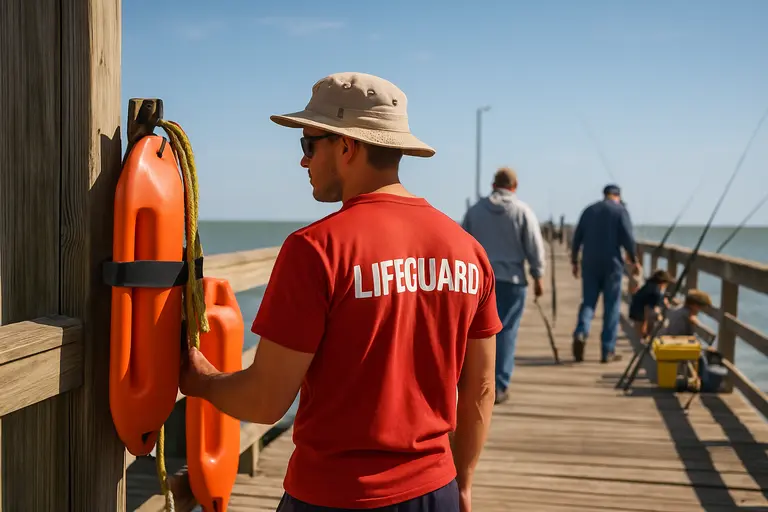
Bolivar Peninsula fishing is shaped by access points. Boat ramps, beaches, passes, parks, and piers all divide pressure and create different sports opportunities. A new pier at the former Rollover Pass area would not replace boating, surf fishing, kayak fishing, or wade fishing. It would add another lane for anglers who need stable footing, rail access, and a clear family-friendly setup.
That matters during seasonal fishing windows when weather and water conditions line up. A public pier can become a shared gathering point for anglers tracking trout, redfish, black drum, sheepshead, Spanish mackerel, sharks, and other Gulf species, depending on conditions and regulations. The research does not confirm species-specific catch expectations for the new pier, so it would be wrong to promise a certain bite. What is confirmed is the type of access the project is designed to provide.
Across Texas, access upgrades have become a major story for coastal fishing communities. Texas Sportsmen recently covered similar public-access momentum in Baffin Bay upgrades, showing how piers, ramps, parking, and safety work can affect how anglers use a fishery. Readers who follow venue projects across community sports might also explore details about baseball facilities at Books on Baseball, a related site in the same network.
Why Local Businesses Are Watching The Calendar
A pier opening can affect more than anglers on the rail. Bait sellers, food stops, lodging operators, fuel stations, and small retailers often feel the rhythm of fishing traffic. The research lists the total project cost at about $32 million, which signals the size of the public investment around this site. The exact business impact cannot be measured before the facility opens, but the reason local interest is high is clear: fishing access brings repeat visits.
The community value is also social. Piers are teaching places. They are where new anglers learn how to cast, identify fish, measure a legal catch, handle wind, and share rail space. For Bolivar Peninsula, the new site could become a gathering point as much as a fishing platform once the public opening occurs.
Bolivar Fishing Pier Year-End Status
The key takeaway for August 26, 2026, is that the Bolivar Fishing Pier has not opened to the public after the earlier July 2026 target, and the construction contract window now runs to December 24, 2026. Full public opening is expected in late 2026 or early 2027 based on the research, but no confirmed opening day is included in the available project details.
For anglers, that means trip planning should stay practical. The project is real, construction has been underway, and the planned amenities are aimed directly at public fishing use. Still, until officials announce public access, the pier should be treated as a delayed facility rather than an available fishing spot.
The Bolivar Fishing Pier remains one of the most meaningful Texas coast access stories of 2026 because it connects a long-missed fishing location with a modern public pier plan. If the year-end construction marker holds, the peninsula will be closer to restoring a major gathering place for Gulf anglers, families, and local fishing culture.