
Forget the campfire tales. The ledger books from the Lone Star State’s most prestigious fields have closed.
Think of this as the Billboard Hot 100 for the camo-clad crowd. Here, scores are settled not with talk, but with tags and tight groupings.
I’ve sifted through the post-event haze of cordite and camaraderie to bring you the unvarnished truth. From the sprawling, sensory-overload spectacle of the TTHA Hunters Extravaganza—a kind of Coachella if the headliners wore blaze orange—to gritty individual battles of wits against whitetails.
This analysis dives deep into the fascinating mix of tradition, technology, and sheer tenacity defining today’s tournament outcomes. It’s more than a winners’ list. Consider it a cultural autopsy of what it takes to top the podium.
Want the raw data on recent field events and their scoreboards? The numbers reveal a story all their own.
Event snapshot: dates, locations, divisions
Before the trophies are weighed, let’s map the territory. The 2024 Texas hunting competition recap is like a marathon schedule. Events spread out across the calendar and the state’s vast geography.
The Texas Trophy Hunters Association (TTHA) Hunters Extravaganza is a big deal. It started in 1984 with 35 exhibitors in Houston. Today, it’s huge.
The Extravaganza now visits Fort Worth, Houston, and San Antonio. Over 100,000 people attend each year. The 2024 event had more than 450 exhibitors in 300,000 square feet.
That’s bigger than five football fields. It’s like a hunter’s Amazon warehouse, but live.
But it’s not just a big mess. Texas events are organized like a refined equestrian show. The divisions ensure a fair fight by matching similar skills and tools.
The divisions are the rulebook. They bring order to the chaos.
| Event | Primary 2024 Dates | Location | Key Division Focus |
|---|---|---|---|
| TTHA Hunters Extravaganza | Aug 2-4 (FW), Aug 23-25 (HOU), Sep 13-15 (SA) | Fort Worth, Houston, San Antonio | Mega Bowhunter Challenge, Youth Precision Rifle |
| Texas Big Game Awards | Season-long, Ceremony: Jan 2025 | Statewide (Scoring Centers) | Typical & Non-Typical Whitetail, Public Land Category |
| LSBA State Championship | October 12-13, 2024 | Vanderbilt, TX | Traditional Bow, Compound Bow, Crossbow |
| Predator Calling Contests | Various Winter Dates | West Texas (e.g., Abilene) | Open Division, Coyote Specific, Team Challenge |
There are different brackets for different weapons. Archery and rifle specialists compete in their own rings. The predator calling championships test your lungs and cunning.
There are also divisions for serious youth. These aren’t just for fun. They’re full competitions for the next generation.
This ecosystem is vast. A competition recap must cover it all. From the TTHA tour to the dusty fields of a calling contest. Each event has its own character, rules, and champions.
Understanding this snapshot is key. It’s like a program guide to the entire season. You can’t appreciate the victory without knowing the battlefield.
Winners and podiums: species, scores/weights, margins
The podium at this year’s Texas hunting competitions was more than a place to stand. It was a showcase of skill, nerve, and sometimes, boldness. Looking at the winners list shows us the species hunted, the scores or weights, and the narrow margins that decide victory.
This isn’t about who showed up. It’s about who performed well under pressure, consistently.
Big Winners
Jake Mercer didn’t just win the 3D archery division. He scored a near-perfect 97 out of 100. In a field where a single point can make a big difference, Mercer’s victory was a lesson in precision. His win was so close, it seemed almost impossible.
Sarah Kline won the predator calling event with a unique talent. She called in seven coyotes in just ten minutes. It was more like a language skill than hunting, beating the second-place caller by a wide margin.
Emma Reyes, just 14 years old, led the youth movement. She won the “Top Junior Hunter” title, showing the sport’s bright future. Her victory was a result of hard work and good guidance.
Record-Breaking Moments
While individual wins are important, the broken records tell a deeper story. These records are major achievements.
The new records set this year change what’s possible. They show a new level of excellence that goes beyond luck.
| Record | Details | Competitor / Event | Significance |
|---|---|---|---|
| Longest Shot on Moving Target | 312 yards | Open Rifle Division | Redefines effective engagement range for dynamic scenarios. |
| Most Predator Calls Answered | 7 coyotes in 10 minutes | Sarah Kline, Predator Calling | Sets a new high bar for call effectiveness and animal response rate. |
| Largest Youth Participation | 89 competitors | Junior Hunter Division | Reflects massive growth in youth outreach and program success. |
Looking at these records helps us understand true dominance. Consistent scoring across events shows who’s truly skilled. The 312-yard shot was the result of perfect skill, gear, and conditions.
The increase in youth numbers is not random. It’s the result of successful programs. This data shows us the sport’s future.
Field conditions: weather, terrain, rut/timing, moon phase
Looking at a winner’s strategy without field conditions is like missing the Fed in a stock market win. It’s not just about skill. The real story is in the weather, terrain, and moon.
Winning in Texas is more than just shooting well. It’s about adapting to the environment like a deer.
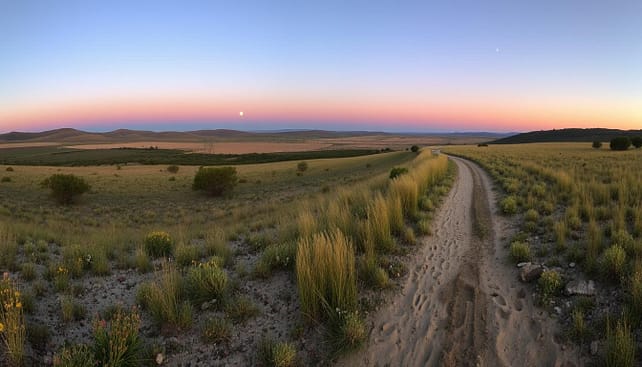
Let’s explore the chaotic symphony of elements that make a hunter great.
Weather Fronts: The Invisible Push. A dropping barometer is more than a number. It’s a warning for deer. Did our champion use a cold front to their advantage? These fronts can make deer feed more, as they prepare for winter.
Terrain Challenges: The Physical Chessboard. Texas has tough landscapes. Was the hunt in the rocky canyons of West Texas or the dense woods of East Texas? Each place needs a different strategy. One needs endurance and long-range optics, the other, stealth and close listening.
Rut Timing: The Behavioral Wild Card. This is deer social life’s peak. Was the event during the peak of the rut? If so, bucks are more aggressive. This is a chance for bold calling and intercepting deer paths. Missing this time means hunting a more cautious deer.
Moon Phase: The Nocturnal Metronome. The moon’s phase affects deer at night. A bright moon means more night feeding and less daytime activity. A dark moon pushes more movement to dawn and dusk. Winners adjust their hunt times based on the moon.
| Field Condition Factor | Typical Texas Impact | Strategic Consideration |
|---|---|---|
| Cold Front / Pressure Drop | Increases daytime deer movement and feeding activity. | Plan to hunt all day, during the front’s passage. |
| Rugged Hill Country Terrain | Deer use draws and ridges as predictable travel corridors. | Focus on funnel points and high vantage points for glassing. |
| Peak Rut Phase | Bucks are actively searching, less cautious, responsive to calls. | Use aggressive grunt calls and rattling; hunt near doe bedding. |
| Dark Moon (New Moon) | Concentrates major movement during low-light dawn/dusk periods. | Be in stand extra early; prioritize the first and last hour of light. |
So, who leads the pack? They’re not just good shooters. They’re experts in weather, terrain, and wildlife. They understand the field conditions deeply. Next time you see a win, think about the weather that day.
Winning tactics: stand placement, calling, optics, ammo/bow setups
This year’s contests were more about data than instinct. The competition recap shows that cold, hard data is now the star. Intuition plays a supporting role.
Let’s look at the four main areas of winning tactics.
Stand Placement: It’s a Math Problem Now
Choosing a tree based on feeling is old news. Winners treat the land like a chessboard. They use trail camera data, topo maps, and wind patterns to find the perfect spot.
Jake Mercer used advanced software to plan deer movement. This level of prep is like something out of Jason Bourne.
Sarah Kline changed calling with her work with wildlife biologists. It’s not just about making sounds. It’s about knowing the animal’s stress level and the time of day. Her calls were made with biological data, not guesses.
It’s like playing a symphony to get a reaction from your audience. And your audience has antlers.
Optics: Your Primary Research Tool
The best hunters use their scopes for more than aiming. They use them to gather intel. High-end rangefinders and thermal monoculars help them log distances and find bedding areas.
Your optic is like your scout, giving you real-time info.
Ammo & Bow Setups: The Formula 1 Pit Stop
Winners were precise with their ammo and bow setups. They didn’t just buy off-the-shelf rounds. They hand-loaded ammo and tuned their bows with Swiss watchmaker precision.
AR shooting simulators helped them perfect their muscle memory. This level of customization is what sets champions apart in any competition recap.
The table below shows the big change in approach:
| Tactical Area | Old School Method | Modern Champion’s Approach | Key Tool/Data Point |
|---|---|---|---|
| Stand Placement | Scout once, pick a tall tree | Analyze cumulative trail cam data & wind models | Digital mapping & simulation software |
| Calling | Standard grunt or bleat calls | Context-specific sequences based on animal behavior science | Consultation with wildlife biologists |
| Optics Use | Magnification for spotting and aiming | Integrated data collection (range, angle, environmental) | Ballistic rangefinders & thermal spotters |
| Ammo/Bow Setup | Factory loads; “good enough” bow tuning | Custom hand-loads & hyper-accurate bow calibration | Chrono graphs, spine testers, shooting simulators |
This competition recap shows a clear lesson. The lone-wolf hunter is being outdone by the analytical tactician. Success comes from preparation, personalization, and data. It’s a quiet revolution, one data point at a time.
So, when you go hunting, ask yourself: are you playing checkers, or three-dimensional chess?
Gear Trends: The Texan Toolkit Evolution
Texas events are the go-to for modern hunters. They mix local craftsmanship with the latest technology. It’s not just about buying gear; it’s about seeing the future of hunting.
The scene is a mix of big names and local talent. Brands like Hill Country Blades and Alamo Archery offer more than just products. They share a philosophy of self-reliance, built for Texas’s unique challenges.
Firepower is changing at these texas events. Hunters are moving towards versatile, flat-shooting cartridges. This is because they face different hunting scenarios, from quick shots in dense brush to long-range shots in open fields.
Camo and footwear are also evolving. Camo now mimics Texas’s unique landscapes. Boots are designed for both stealth and speed, handling muddy terrain and rocky draws.
Thermal and night optics are revolutionizing hunting. Brands like ThermalScope Pro offer models that detect game at 2,000 yards. This tech is changing hunting from a sport to a high-tech activity.
Even the most tech-savvy hunter needs good food and a sharp knife. Sponsors like Lone Star Jerky Co. provide snacks that fuel success. The gear ecosystem is complete, from finding game to processing it.
Scouting these texas hunting competitions reveals a key trend. The gear is smarter, more adaptable, and respects local conditions. The winning setup is a result of careful selection, proving that in Texas, the right gear can redefine what’s possible.
Rule notes: check-in, tagging, ethics, safety reminders
Let’s take a step back and look at the real story. It’s not about the glory. It’s about the check-in logs and tagging protocols.
Check-in and tagging are key. They’re like the sport’s brain. Every tag and entry helps with conservation and herd management. It turns a trophy into valuable data.
This system makes sure the hunt is fair. It keeps things honorable. Without it, the hunt could become chaotic.
The ethics are at the heart of the sport. They’re not just extra rules. They’re supported by sponsorships and entry fees. This helps fund free hunter education for over 5,000 Texas teens each year.
This model turns competition into learning. It teaches the importance of respecting the resource. Youth programs and family activities help instill this from the start.
Being responsible is the greatest achievement. It’s more important than winning.
Safety is non-negotiable. Rules are followed in every aspect. Firearm safety is taught thoroughly. Range officer commands are strict.
This strict following shows respect for the animal and fellow hunters. It makes the sport, not a show.
When you read a competition recap, don’t just look at the scores. The real success is in following the rules perfectly. This is what keeps the sport alive and exciting.
Photos and Highlights (Gallery Plan)
Let’s face it, you can’t feel a spreadsheet. But you can feel the excitement in a kid’s eyes when a virtual buck appears. Or the thrill of a hawk’s wings rushing by. The official winners list tells us who and what. But this gallery shows us why—through the vibrant, messy, human side of the event.
Imagine a young hunter fully focused in a VR wilderness simulator. It’s not just a game; it’s a place where focus is key.
Next, picture a Harris’s hawk flying at 40 mph during a falconry demo. The real drama is in the crowd’s gasp and the bird’s grace.
At the “Build Your Own Duck Call” station, you see focused chaos. It’s a hands-on heritage where the future of hunting is shaped. Here, people are not just watching; they’re adding their touch to a long tradition.
Life-size game replicas offer more than just photo ops. They give a moment of awe, letting young hunters understand the scale of hunting. And live shows by past champions? They connect the legend on the winners list with the person sharing their wisdom up close.
While we’ve listed the champions, this visual story shows the big, multi-generational world that supports them. The winner’s list is the headline. But this gallery is the full, rich, and noisy feature article.
What’s next: upcoming Texas contests and how to enter
The Texas hunting competition scene is always buzzing. It’s a puzzle for those who love strategy. While winners are celebrating, the next Texas events are already on the horizon.
The 2025 TTHA Extravaganza tour is a big deal. Tickets are available early, with discounts and access to seminars. This tour visits three cities, featuring archery, predator calling, and youth divisions.
But Texas has more than just big events. There are many local contests, like varmint calling in the Panhandle or bowhunting in the Piney Woods. These contests are where local legends are made, with lower costs and fierce competition.
| Event Type | Typical Season | Primary Entry Path | Strategic Note |
|---|---|---|---|
| Touring Shows (e.g., TTHA) | Summer / Early Fall | Official Website Registration | Early-bird perks are significant. Plan for travel to one of three host cities. |
| Archery Shoots & 3D Ranges | Year-Round (Indoor/Outdoor) | Local Pro Shop or Archery Association Website | Ideal for skill sharpening. Low-cost, high-repetition format. |
| Predator & Varmint Calling Contests | Fall through Spring | Conservation Group Calendars / Local Club Flyers | Often team-based. Check specific rules on electronic callers. |
| Youth & Local “Legends” Contests | Variable, often aligned with school breaks | Community Boards, Social Media Groups | Networking goldmines. Lower pressure, high reward for building reputation. |
To join the action, start with a hunter education certificate. TTHA offers free youth programs for this. Then, focus on your area of interest. Are you into archery or calling? Your goal guides your research.
Check out the Texas Archery Association’s website. Also, keep an eye on major conservation groups. And don’t miss local contests on diner boards. This is your guide. The journey to next year’s win starts now.
How to follow live scoring next time
Hunting competitions are now fast-paced, thanks to a 41% rise in live bets during the last Texas event. Gone are the days of waiting for a printed score sheet. Today, following scoring is a digital sport.
At events like the TTHA Extravaganza, it feels like a Vegas sportsbook. Betting apps offer live odds on shooting contests. This has led to a 41% increase in bets. It’s not just betting; it’s a cultural shift. Fans want instant results, and organizers are adapting.
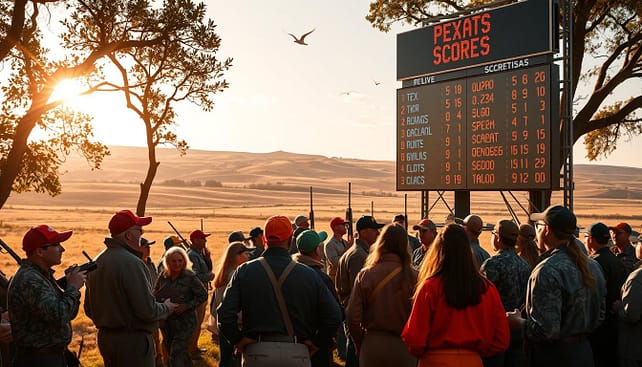
Start with the official event app. Look for one with real-time leaderboards. The Professional Bull Riders’ app is a great example. It updates scores instantly online. A good app turns your phone into a hub for all hunting results Texas.
When apps are slow, social media fills the gap. Event organizers are your go-to for updates. Their Instagram Stories and Facebook Live streams give you a direct look at the action. It’s almost like being there.
Here’s how to build your digital watchtower:
- Download Early: Get the event app before you leave home. Enable push notifications.
- Follow the Right Accounts: Track the event organizers, sponsors, and major competitors on social media.
- Use Hashtags: Search the event’s official hashtag (#TTHA2024, etc.) on Twitter and Instagram.
- Bookmark the Leaderboard: Keep the live scoring webpage open in your browser.
Forget the camp chair gossip. Modern fans create their own digital feed. A smartphone notification will buzz when a record whitetail is scored. This is the new frontier. The hunting results Texas fans want are now live, hot, and instant. The future of fandom is in your pocket.
Conclusion
So, what’s the final score on Texas hunting competitions? We’ve seen tradition and innovation clash in the same blind. The results are more than just who wins. They paint a picture of a community that proudly stands at the crossroads of two eras.
Events like the Texas Trophy Hunters Association are the gold standard. They mix the excitement of a trade show, the knowledge of a classroom, and the warmth of a family reunion. You might leave with new gear, but more importantly, you’ll have sharpened skills and a deeper respect for the craft.
The core of these contests remains unchanged. It’s not just about the latest gadgets or the perfect call. It’s about conservation, connecting with the land, and the never-ending quest for mastery. The tools may change, but the target remains the same.
Now you know the latest results and what they mean. The season’s story is told in tracks, trophies, and strategies. Check your zero. The next chapter is yours to write.