
If you follow redfish tournaments in Texas, two names keep coming up in 2026—Port Aransas and Matagorda. Both towns have become anchors of the competitive scene, hosting major events, drawing elite anglers, and shaping how tournament fishing evolves along the Gulf Coast.
But they do it in very different ways.
Port Aransas brings scale, visibility, and infrastructure. Matagorda offers diversity, pressure-resistant fisheries, and a more tactical style of fishing. As tournament participation continues to surge, the comparison between these two hubs has turned into something of a quiet rivalry—one that’s influencing where circuits go, where anglers travel, and where wins are earned.
Port Aransas: The Epicenter Of High-Profile Events
Port Aransas has become the undisputed flagship destination for major redfish tournaments in Texas. Its ability to host large-scale events is unmatched, thanks to a combination of infrastructure, accessibility, and long-standing tournament culture.
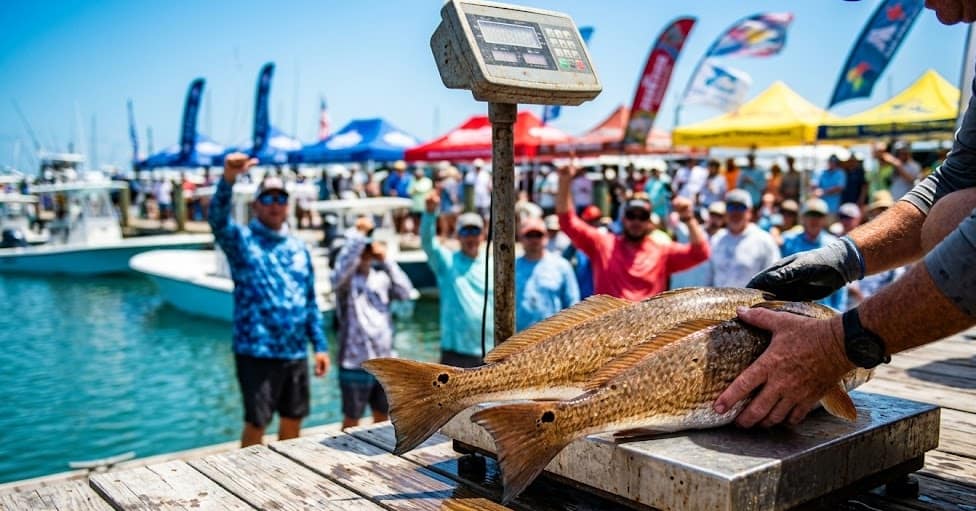
Events like the Bassmaster Redfish Cup Championship, held in Port Aransas in recent seasons, have reinforced its national profile. The location offers:
- Multiple launch points and large marinas
- Easy access to expansive bay systems and nearshore waters
- Lodging capacity for traveling teams and sponsors
According to coverage from Bassmaster tournament reporting, Port Aransas continues to attract stacked fields and national attention, with elite anglers consistently targeting the area for championship-level competition.
The result is an environment where visibility and stakes are high, and where winning often requires performing under both fishing pressure and media attention.
Matagorda: A Fishery Built On Complexity And Consistency
Matagorda operates differently. It doesn’t rely on spectacle—it relies on the fishery.

With access to East Bay, West Bay, and the Colorado River system, Matagorda offers one of the most diverse redfish environments on the Texas coast. That diversity creates opportunities, but it also demands adaptability.
Unlike Port Aransas, where tournament zones can become crowded, Matagorda often rewards anglers who:
- Explore less pressured water
- Adjust to changing salinity and tide-driven conditions
- Build multi-day patterns rather than rely on single spots
This makes Matagorda a favorite among anglers who prefer a more strategic approach. It’s not uncommon for experienced teams to quietly prioritize Matagorda events because they offer a more level playing field under pressure.
Comparing Tournament Advantages
While both locations host high-level events, their strengths play out differently depending on the format and field size.
| Factor | Port Aransas | Matagorda |
|---|---|---|
| Event Scale | Large, national-level tournaments | Mid-to-large regional events |
| Infrastructure | Extensive marinas, lodging, weigh-in facilities | More limited but efficient |
| Fishing Pressure | High during major events | More dispersed across bays |
| Fishery Style | Open water and nearshore options | Complex bay and river systems |
| Competitive Style | High-intensity, fast-paced | Technical, pattern-driven |
This contrast is exactly why both hubs continue to thrive—they serve different types of competitors while contributing to the same overall ecosystem.
How Tournament Circuits Are Choosing Locations
In 2026, tournament organizers are becoming more strategic about where they place events. Instead of concentrating everything in one hub, circuits are balancing their schedules between locations like Port Aransas and Matagorda.
This approach allows them to:
- Showcase different fisheries
- Reduce localized pressure on a single bay system
- Keep competition fresh across the season
It also reflects the broader trend discussed in the expanding tournament calendar, where diversification of locations is helping sustain growth across Texas.
For anglers, this means adapting quickly. Winning in Port Aransas doesn’t guarantee success in Matagorda—and vice versa.
Pressure, Fish Behavior, And Winning Patterns
One of the most important differences between these two hubs comes down to how redfish behave under pressure.
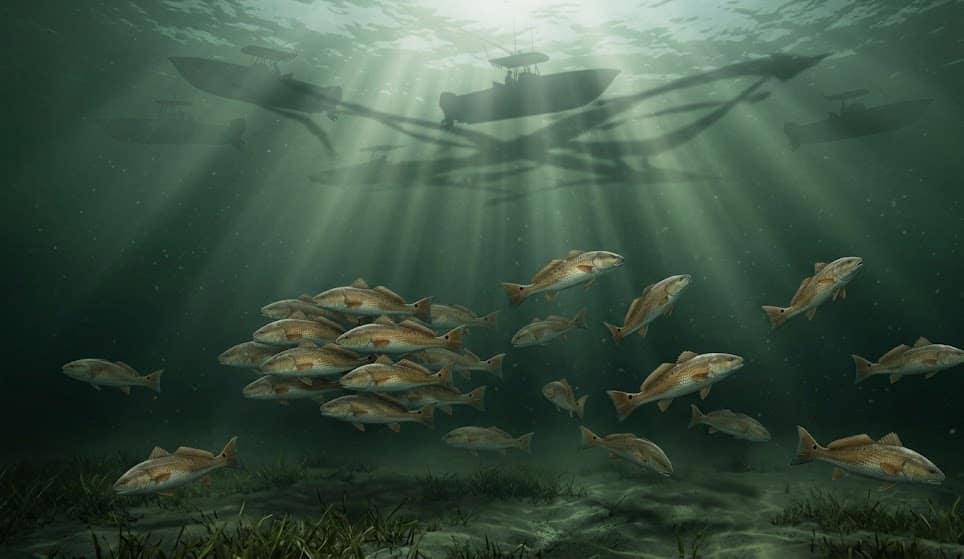
In Port Aransas, heavy tournament traffic can lead to:
- Faster pattern burnout
- Increased competition for known spots
- A need for quick adjustments during tournament hours
In Matagorda, pressure is spread out more evenly, but the fishery itself is less predictable. Changing freshwater inflows and tide shifts can disrupt patterns overnight.
According to NOAA coastal fisheries data, environmental variability plays a major role in redfish movement across Gulf systems, particularly in areas influenced by river discharge like Matagorda Bay.
For anglers, this creates two distinct challenges:
- In Port Aransas: managing competition pressure
- In Matagorda: managing environmental complexity
Economic Impact And Community Identity
Both towns benefit heavily from tournament fishing, but the way that impact shows up is different.
Port Aransas operates like a tournament hub. Large events bring waves of anglers, sponsors, and spectators, creating a high-energy environment that feels almost like a festival during peak weekends.
Matagorda, by contrast, sees a steadier, more consistent flow of anglers. Events still bring economic boosts, but the atmosphere remains more local—less crowded, more grounded in everyday coastal life.
This difference influences not just economics, but identity. Port Aransas is becoming synonymous with big-stage competition, while Matagorda represents a more technical, fishery-driven approach to winning.
So Who’s Winning The Tournament War?
The answer depends on how you define “winning.”
If the metric is visibility, scale, and national attention, Port Aransas clearly leads. It’s the stage where major championships are held and where the spotlight shines brightest.
But if the metric is fishery depth, adaptability, and long-term consistency, Matagorda makes a strong case. It challenges anglers in ways that go beyond crowd management and rewards those who can truly read changing conditions.
In reality, the “tournament war” isn’t producing a single winner. It’s producing something more valuable—a balanced competitive landscape where both hubs push the sport forward in different ways.
What This Means For Texas Redfish Tournaments Moving Forward
As tournament fishing continues to evolve in 2026, the relationship between Port Aransas and Matagorda will remain central to that growth.
Circuits will continue to rotate between them. Anglers will continue to adapt their strategies. And the contrast between the two will keep shaping what it takes to win on the Texas coast.
For competitors, the takeaway is simple: mastering one location isn’t enough anymore.
To succeed in today’s tournament scene, you have to understand both worlds—the high-pressure spotlight of Port Aransas and the tactical complexity of Matagorda.
And that duality may be exactly what keeps Texas at the forefront of redfish tournament fishing.