
For decades, Texas tournament fishing revolved around weekends—two days of pressure, a single weigh-in, and a clear winner by Sunday afternoon. But in 2026, that structure is no longer the only model driving the sport.
Across the Texas coast, long-format tournaments are gaining serious traction, stretching across weeks—or even months—and reshaping how anglers think about competition. These events aren’t replacing traditional tournaments outright, but they are changing the expectations around what competitive fishing can look like.
The shift is most visible in one of the largest events in the country: the CCA Texas STAR Tournament.
The STAR Tournament Model: A Season Instead Of A Weekend
The CCA Texas STAR Tournament is the clearest example of how long-format competition is evolving. In 2026, the event runs from May 23 through September 7, covering more than 100 days of fishing across the entire Texas Gulf Coast.
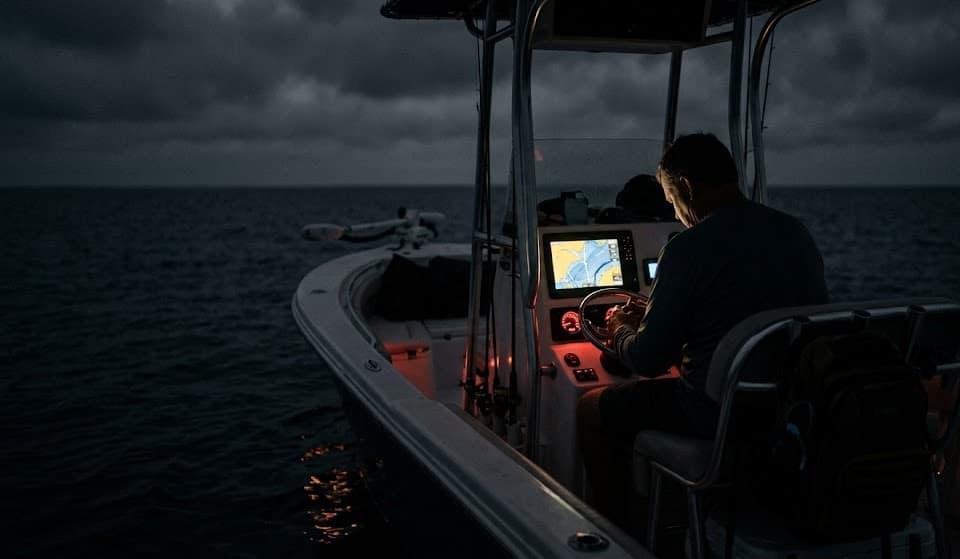
Instead of a single weigh-in window, anglers have an entire summer to compete. Tagged redfish are released along the coast, and participants fish at their own pace, hoping to land a prize-winning catch at any point during the season.
The scale is massive:
- Over $2 million in prizes and scholarships are available
- Multiple divisions include redfish, inshore species, offshore species, and youth categories
- Thousands of anglers participate across nearly every major bay system in Texas
This format transforms tournament fishing from a single event into a season-long pursuit.
Why Long-Format Tournaments Are Growing
The rise of long-format tournaments is tied directly to accessibility and lifestyle. Not every angler can commit to a fixed tournament weekend, especially with work schedules, weather conditions, and travel constraints.
Season-long formats remove that limitation.
Instead of planning around one date, anglers can:
- Fish when conditions are optimal
- Spread effort across multiple trips
- Compete without the pressure of a single-day performance
This flexibility has opened the door to a much broader audience. Casual anglers, families, and part-time competitors can now participate alongside more serious teams—without needing to fully commit to a traditional tournament schedule.
It’s one of the reasons participation continues to grow across Texas.
How Strategy Changes In A Season-Long Format
Fishing a two-day tournament is about precision and execution. Fishing a 100-day tournament is about patience, persistence, and timing.
In long-format events, anglers are no longer trying to solve a pattern for a single weekend. Instead, they are managing an extended window where conditions constantly shift.
That changes everything.
Success in these formats often comes down to:
- Being on the water consistently rather than perfectly
- Recognizing seasonal transitions across bays
- Capitalizing on rare opportunities, like encountering tagged redfish
There’s less emphasis on outcompeting a field in real time, and more emphasis on being present when the right moment happens.
The Continued Strength Of Traditional Weekend Tournaments
Despite the rise of long-format events, weekend tournaments aren’t going anywhere. In fact, they continue to define the competitive core of Texas redfish fishing.
Short-format events still offer:
- Immediate results and clear winners
- Head-to-head competition under identical conditions
- High-pressure environments that reward execution
These tournaments remain essential for elite circuits and serious competitors. They provide the structure and intensity that long-format events simply don’t replicate.
This is especially evident in formats like the redfish tournament playbook, where teams rely on precision, preparation, and real-time decision-making to win.
Are Long-Format Events Diluting Competition?
One concern that’s often raised is whether season-long tournaments dilute the competitive edge of fishing. Without a shared time window, some argue that results become more about chance than skill.
There’s some truth to that—but it’s only part of the picture.
Long-format tournaments test a different kind of ability:
- Consistency over time rather than performance under pressure
- Commitment to time on the water rather than isolated preparation
- Adaptability across changing environmental conditions
Rather than diluting competition, these events are expanding what competition means.
Economic And Cultural Impact Along The Coast
One of the biggest advantages of long-format tournaments is their sustained economic impact. Instead of a single busy weekend, coastal communities see activity spread across an entire season.
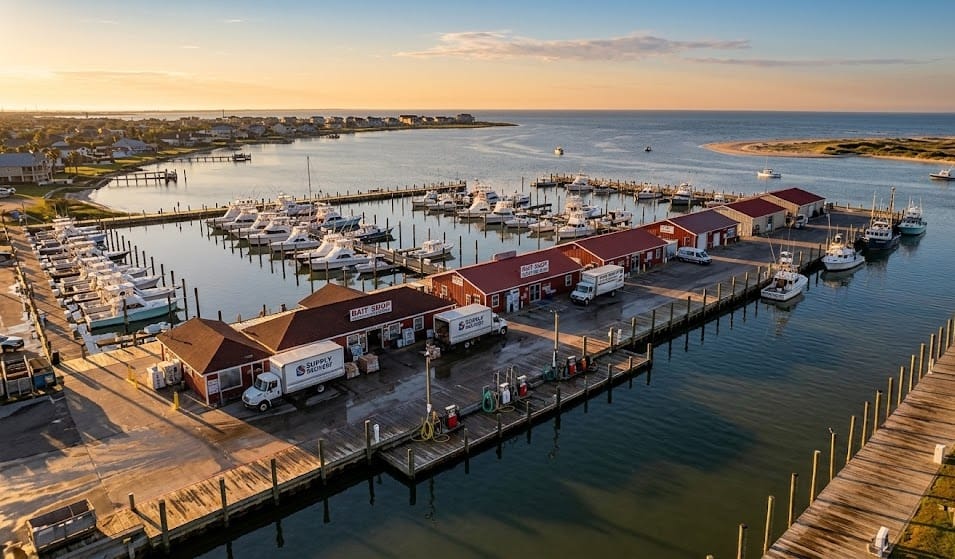
Marinas, bait shops, restaurants, and lodging providers benefit from a steady flow of anglers rather than short bursts of traffic.
Culturally, these events also reinforce the idea that fishing is part of everyday life along the Texas coast. The tournament becomes less of a single event and more of a shared seasonal experience.
Families fish together. Local anglers participate casually. Visitors plan trips around the opportunity to compete.
It’s a different kind of engagement—one that feels more integrated into the fabric of coastal life.
The Balance Between Two Competitive Worlds
What’s emerging in 2026 isn’t a replacement of one format by another—it’s a coexistence.
Weekend tournaments and long-format events serve different purposes:
- One emphasizes intensity and precision
- The other emphasizes accessibility and duration
Together, they create a more complete competitive ecosystem.
Anglers can choose how they want to compete. Some will focus on elite circuits and structured events. Others will embrace the flexibility of season-long tournaments. Many will do both.
What This Means For The Future Of Texas Tournament Fishing
The rise of long-format coastal tournaments signals a broader shift in how competitive fishing is evolving in Texas.
It’s becoming more inclusive, more flexible, and more aligned with how anglers actually live and fish. At the same time, the traditional tournament structure remains strong, preserving the high-level competition that defines the sport.
For redfish anglers, this creates something unique: multiple pathways into competition, each with its own rhythm and rewards.
And as participation continues to grow, it’s likely that both formats will expand—side by side—shaping a future where tournament fishing isn’t defined by a single weekend, but by an entire season on the water.