
While major redfish circuits and high-profile events continue to dominate headlines, a quieter movement is reshaping tournament fishing across the Texas coast. In 2026, grassroots tournaments are expanding rapidly, filling nearly every gap in the calendar from Sabine Lake down to the Lower Laguna Madre.
These aren’t massive, sponsor-heavy productions. They’re local, often community-driven events—smaller fields, lower entry fees, and a different kind of competitive energy. But collectively, they’re doing something significant: they’re redefining how anglers enter and experience tournament fishing in Texas.
And in many cases, they’re becoming the foundation of the entire competitive ecosystem.
Why Grassroots Events Are Growing So Quickly
The growth of grassroots tournaments isn’t accidental. It’s being driven by accessibility.
Not every angler has the time, budget, or travel flexibility to compete in elite circuits. Local events remove those barriers. They allow anglers to:
- Fish familiar water
- Compete without long-distance travel
- Enter tournaments with lower financial risk
At the same time, the surge in overall fishing participation—particularly after the post-2020 outdoor recreation boom—has created a larger pool of anglers looking for structured competition.
Local organizers have responded quickly, launching new events or expanding existing ones to meet that demand. The result is a dense network of tournaments spread across Texas bays, many of which didn’t exist just a few years ago.
The Role Of Local Bays In Supporting Expansion
Grassroots growth wouldn’t be possible without the diversity of Texas coastal fisheries. Each bay system offers something slightly different, allowing tournaments to develop unique identities.
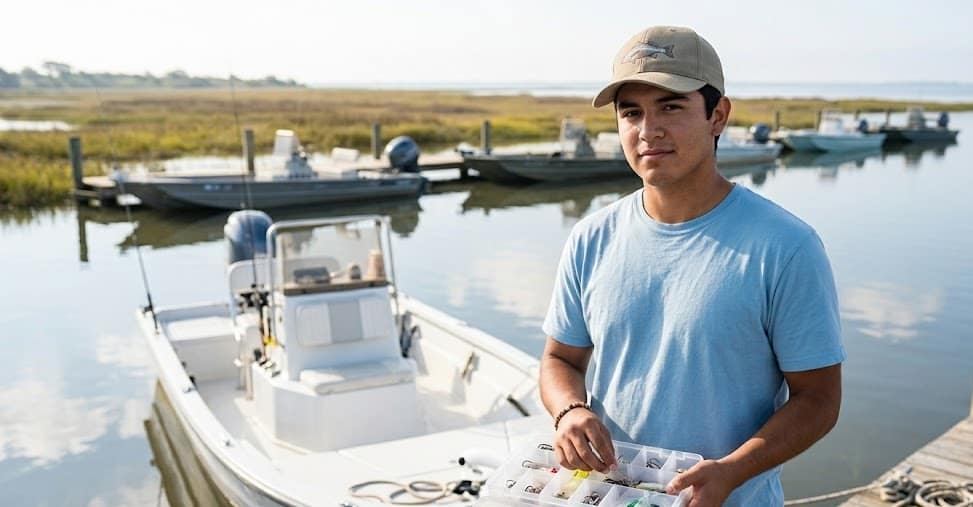
In areas like Galveston Bay, accessibility and proximity to urban centers help drive participation. In Matagorda and Port O’Connor, habitat diversity creates more strategic fishing. In the Laguna Madre, clear water and sight-fishing opportunities attract highly engaged anglers.
This regional variety means grassroots tournaments aren’t competing against each other—they’re complementing each other. Each bay supports its own ecosystem of events, contributing to a statewide expansion of competitive fishing opportunities.
How Grassroots Tournaments Are Changing Competition
At first glance, smaller tournaments might seem less competitive. In reality, they’re often the opposite.
Because anglers are fishing familiar water, local knowledge becomes a major factor. Patterns are more refined. Spots are more contested. And margins are just as tight as in larger events.
More importantly, these tournaments are producing better anglers.
Many of today’s competitive teams are building their skills at the grassroots level before moving into larger circuits. This progression is creating a deeper talent pool, which is already visible in higher-level events like those outlined in the Texas Redfish Series format, where consistency and decision-making separate top teams.
Grassroots tournaments are no longer just entry points—they’re becoming training grounds for elite competition.
The Economic Impact On Coastal Communities
Even without large sponsorships, grassroots tournaments are having a measurable economic impact.
Unlike major events that bring short-term spikes, local tournaments create consistent, repeat traffic. Anglers return to the same towns multiple times throughout the season, supporting:
- Bait and tackle shops
- Fuel docks and marinas
- Local restaurants and lodging
This steady activity is particularly valuable for smaller coastal communities that don’t host large-scale tournaments but still benefit from regular fishing traffic.
It also strengthens the connection between local economies and the fishing community, reinforcing the role of tournaments as part of everyday coastal life.
Structure, Simplicity, And Flexibility
One of the defining characteristics of grassroots tournaments is their simplicity. Most events operate with straightforward rules, limited overhead, and flexible formats.
This simplicity is part of their appeal.
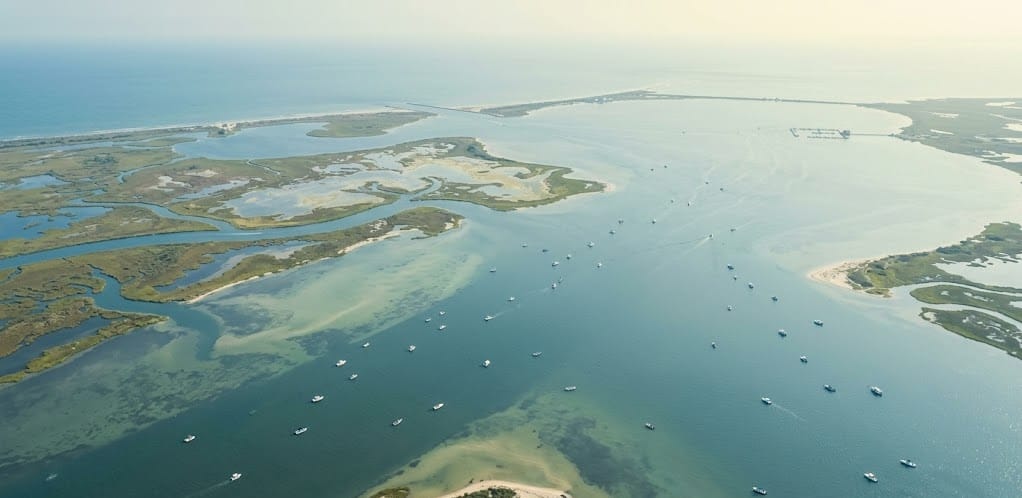
Anglers aren’t navigating complex scoring systems or strict qualification pathways. They’re competing in formats that are easy to understand and quick to enter. That accessibility lowers the barrier to participation while still maintaining competitive integrity.
At the same time, many grassroots tournaments are beginning to incorporate elements from larger circuits—such as digital scoring apps and catch-photo-release verification—creating a hybrid model that blends simplicity with modern efficiency.
The Balance Between Growth And Oversaturation
As grassroots tournaments continue to expand, one concern is whether the calendar could become overcrowded.
Too many events in a single region can lead to:
- Reduced participation per tournament
- Increased fishing pressure on specific areas
- Scheduling conflicts for anglers
However, in 2026, Texas appears to be managing this balance effectively. The spread of events across multiple bays and timeframes is helping prevent direct competition between tournaments.
This distribution mirrors the broader trend seen in the long-format coastal tournament shift, where flexibility and diversification are key to sustaining growth.
Rather than oversaturation, the current landscape feels more like controlled expansion.
Technology And The Grassroots Advantage
Interestingly, grassroots tournaments are also benefiting from the same technological advances shaping larger circuits—but in a more accessible way.
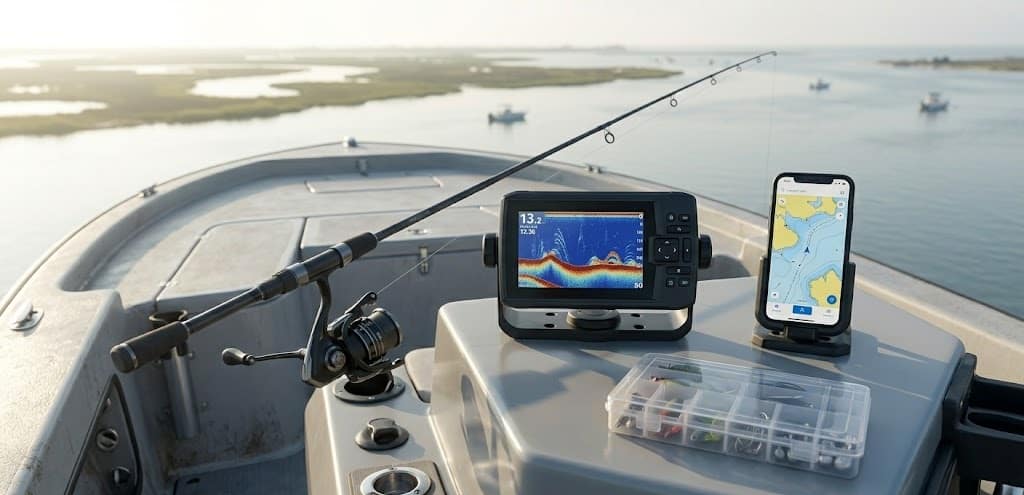
Affordable electronics, mapping tools, and mobile apps have leveled the playing field. Anglers entering local tournaments today have access to tools that were once reserved for elite competitors.
At the same time, grassroots events tend to place greater emphasis on practical skill over technological advantage, preserving the traditional elements of redfish fishing while still embracing modern tools.
This balance is part of what makes grassroots competition so appealing—it feels both current and authentic.
What This Means For The Future Of Texas Tournament Fishing
The expansion of grassroots tournaments is doing more than adding events to the calendar. It’s reshaping the entire structure of competitive fishing in Texas.
It’s creating:
- More entry points for new anglers
- A stronger development pipeline for competitive teams
- A more resilient and diversified tournament ecosystem
For the redfish fishery, it means increased pressure—but also increased engagement and awareness. More anglers involved in tournaments often translates to greater investment in conservation and responsible fishing practices.
According to insights supported by Texas Parks and Wildlife conservation program, angler participation plays a key role in sustaining healthy coastal fisheries.
A Quiet Movement With Lasting Impact
Grassroots tournaments may not command headlines, but their impact is undeniable. They’re building the next generation of competitors, supporting coastal communities, and expanding access to the sport.
In 2026, the future of Texas tournament fishing isn’t being shaped solely at the top—it’s being built from the ground up.
And as this movement continues to grow, it’s becoming clear that the strength of the entire competitive landscape depends on the success of these smaller, local events.