
The 2026 Texas Redfish Series represents one of the most structured and competitive inshore circuits in the Gulf. Built around consistency, discipline, and precise execution, the series challenges anglers to move beyond casual fishing and into a system where every decision—from lure selection to spot rotation—directly impacts standings.
Unlike traditional tournaments that reward a single standout catch, the modern redfish series format emphasizes repeatable success across multiple days and changing conditions. For teams looking to compete at a high level, understanding the rules and structure is just as important as knowing where the fish are.
The Core Format Of The Texas Redfish Series
At its foundation, the Texas Redfish Series is designed to reward consistency over volatility. Teams compete across multi-day events, typically targeting a limited number of redfish within a strict slot range.
The standard format includes:
| Format Element | Competitive Impact |
|---|---|
| Two-Man Teams | Encourages coordination and shared decision-making |
| Two-Day Events | Requires sustained performance under changing conditions |
| 2–3 Fish Limits Per Day | Prioritizes quality over quantity |
| Slot Size Enforcement | Focuses strategy on legal tournament fish |
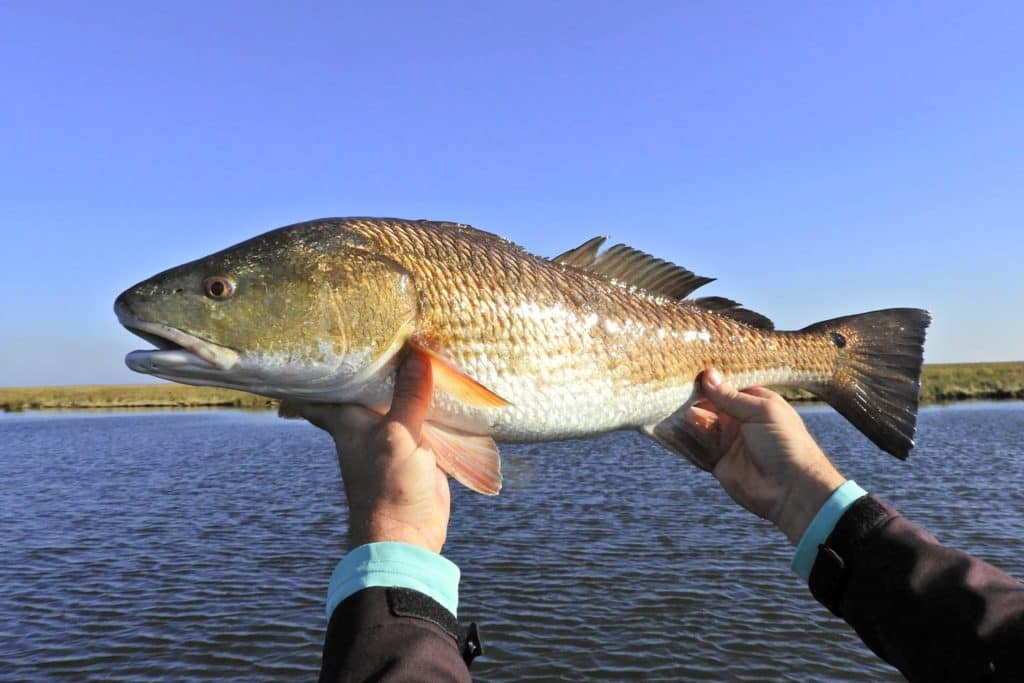
Rather than chasing oversized “bull reds,” teams must locate areas that reliably produce slot-sized fish, often between 20 and 28 inches.
This creates a dynamic where anglers must balance risk and reliability throughout the event.
Rules That Shape Tournament Strategy
Tournament rules in the Texas Redfish Series are not just regulatory—they actively define how anglers approach the water.
Key rules include:
- Strict slot size compliance
- Penalties for dead or injured fish
- Artificial lure requirements in many events
- Designated check-in times and weigh-in procedures
These rules eliminate shortcuts and push competitors toward skill-based fishing.
For example, penalties for dead fish force anglers to manage live wells carefully, especially during hot Texas conditions. This adds another layer of strategy beyond simply catching fish.
According to the Texas Parks and Wildlife coastal fisheries guidelines, maintaining fish health during handling is essential for long-term sustainability, which is why modern tournaments enforce strict conservation standards.
Why Pattern Fishing Wins Tournaments
One of the defining characteristics of the Texas Redfish Series is the emphasis on pattern fishing.
Winning teams rarely rely on a single location. Instead, they develop patterns based on:
- Tidal movement
- Water clarity
- Wind direction
- Bait activity
By identifying repeatable conditions rather than isolated hotspots, teams can adapt when pressure increases or conditions shift.
This concept mirrors what we’ve seen in redfish tournament strategy breakdowns, where consistent pattern recognition separates top teams from the rest of the field.
Pre-Fishing And Preparation
Success in the Texas Redfish Series begins well before launch day.
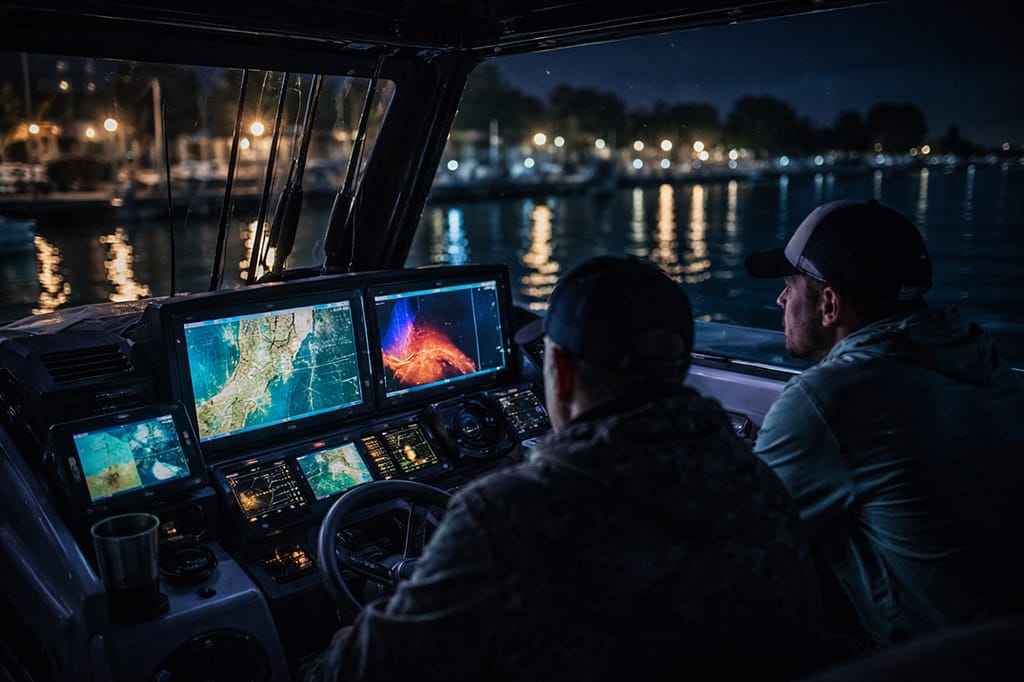
Top teams invest significant time in pre-fishing to:
- Map productive zones
- Identify feeding windows
- Test lure effectiveness
- Track fish movement across tides
Pre-fishing is not about catching large numbers of fish—it’s about collecting data.
The goal is to build a mental blueprint of how fish behave under specific conditions, allowing teams to execute quickly during competition.
Managing Pressure And Time On The Water
Tournament conditions introduce a level of pressure that can dramatically affect decision-making.
Teams must balance:
- Staying committed to a productive area
- Knowing when to abandon a failing pattern
- Managing limited fishing time
In many cases, tournaments are won not by finding fish, but by making the right adjustment at the right moment.
Time management becomes critical, especially when factoring in long runs between spots or changing weather conditions.
The Role Of Equipment And Efficiency
In a competitive format, efficiency matters as much as technique.
Anglers rely on:
- Fast, accurate casting setups
- Reliable trolling motors for shallow water control
- Organized tackle systems for quick adjustments
Every second saved during transitions can translate into additional casting opportunities.
The margin between winning and finishing mid-pack is often measured in small efficiencies rather than dramatic differences in skill.
Conservation As A Competitive Standard
Modern redfish tournaments are built around sustainability.
The Texas Redfish Series incorporates conservation through:
- Live weigh-in systems
- Immediate fish release protocols
- Strict penalties for mortality
This ensures that competitive fishing contributes to long-term fishery health rather than depleting it.
The balance between competition and conservation is one of the defining features of today’s tournament landscape, allowing anglers to compete at a high level while protecting the resource.
What It Takes To Win In 2026
Winning in the Texas Redfish Series requires more than just fishing ability.
Successful teams consistently demonstrate:
- Strong communication and coordination
- Adaptability under changing conditions
- Discipline in sticking to proven patterns
- Efficient execution from start to finish
Perhaps most importantly, they avoid unnecessary risks.
In a format built on consistency, avoiding mistakes is often just as valuable as making the right move.
The Evolution Of Competitive Redfish Fishing
The 2026 Texas Redfish Series reflects how far competitive inshore fishing has evolved.
Structured rules, conservation standards, and strategic depth have transformed tournaments into a discipline where preparation and precision outweigh chance.
For anglers looking to compete—or simply improve their own fishing—the lessons are clear.
Success is no longer about finding one great fish. It’s about building a system that produces results, day after day, across the diverse and ever-changing waters of the Texas coast.