
Fishing tournaments are more than weigh-ins and leaderboard drama. Recent economic research shows that organized angling events can move real money through host communities, especially through lodging, fuel, food, retail, marina services, and recreation spending. For towns that already depend on seasonal outdoor traffic, a tournament weekend can concentrate visitors, volunteers, sponsors, youth anglers, families, and local businesses around one shared sports event.
Why Fishing Tournaments Create Local Spending
Fishing Tournaments And Event-Day Demand
The sports side comes first. Anglers enter to compete, test patterns, manage time on the water, and bring legal fish to the scales. Around that competition, host communities see a clear event-day demand pattern. Visiting anglers need places to sleep, boats need fuel, teams buy food, and families often spend time near ramps, parks, restaurants, and tackle shops.
That spending is not abstract. A study of six large bass events at Lake Fork Reservoir in Texas during 2015 and 2016 reported 7,923 anglers, $4.7 million in direct expenditures, and $5.7 million in total economic value, according to the Lake Fork tournament study. For a reservoir community, those numbers show how tournament traffic can become part of the local sports economy rather than just a weekend crowd.
How Lake Fork Frames The Local Impact
Lake Fork is a useful case because bass tournaments depend on the same assets that local residents recognize: boat ramps, parking, lodging, bait supply, reliable access, and a fishery strong enough to attract competitive anglers. The angler count from those six events also shows why organization matters. A tournament brings many separate trips into one scheduled sports event, which makes local demand easier for businesses and civic groups to prepare for.
That preparation can include staffing restaurants, stocking tackle, keeping marina services ready, and coordinating traffic near launch sites. The stronger the event operations, the better a community can handle the temporary pressure that comes with tournament fishing.
The Community Engagement Side Of The Weigh-In
Weigh-Ins Give The Event A Public Center
Fishing tournaments often turn a private day on the water into a public sports moment. The weigh-in gives residents, families, sponsors, and young anglers a place to gather. It also gives local businesses a direct connection to the event through food service, sponsorship, lodging packages, supplies, and volunteer support.
That matters because community engagement is not measured only in dollars. A strong tournament weekend can put local ramps, waterfront areas, parks, and small businesses in front of people who may return outside the event. It can also help local anglers see competitive fishing as part of a wider sports culture rather than an isolated activity.
On the Texas coast, similar local-event energy can be seen in coverage of the Sargent trout and redfish event, where familiar waters, local sponsors, and weigh-in activity help define the tournament experience. In Rockport, the Duke It Out tournament shows how team fishing, awards, lodging, and charity support can connect a fishing schedule to the local community calendar.
Local Businesses Become Part Of The Sports Event
For a bait shop, marina, diner, hotel, or convenience store, tournament traffic is different from normal weekend traffic. Anglers often arrive early, purchase specific supplies, and make repeat stops throughout practice and competition windows. Families and spectators may spend closer to the weigh-in site. That creates several layers of activity around one event.
A related site in the same network, Noticias BO, provides community-focused coverage on how sports and local events can shape public interest beyond traditional fields, courts, or waterways. Fishing events fit that same pattern because they connect competition with civic gathering points.
What Tournament Spending Reaches
Fuel Lodging And Food Carry Much Of The Load
For fishing tournaments, the spending trail often starts before the first cast. Boats are towed into town, tanks are filled, anglers buy ice and food, and teams may book rooms for practice days and competition nights. Research on Atlantic highly migratory species anglers and tournaments found that 2016 recreational fishing trips and tournaments targeting species such as tuna and swordfish contributed more than $232 million in total economic output, including $72 million in household income, and supported 1,404 jobs, according to NOAA Fisheries.
The same research notes from 2016 reported that Atlantic HMS anglers spent an average of $682 per day on private fishing trips, with boat fuel as the largest expense. Tournament participants spent an average of $998 per event, mainly on fuel and lodging. Those categories match what many host towns see on the ground: marinas, hotels, restaurants, gas stations, and tackle retailers feel the event first.
| Spending Area | Why It Matters To Host Communities |
|---|---|
| Boat Fuel | Large fields can raise demand at marinas and fuel stops near launch sites. |
| Lodging | Multi-day practice and competition schedules can support hotels, rentals, and campgrounds. |
| Food And Ice | Early departures and long days create steady demand from anglers and families. |
| Tackle And Supplies | Local shops can benefit when anglers need bait, line, lures, safety gear, or last-minute repairs. |
National Scale Gives Local Events More Context
The national fishing economy gives added context, but local results still depend on event size, location, season, and access. Research notes for 2023 reported that recreational fishing and the seafood industry supported $319 billion in total sales impacts and 1.7 million jobs nationwide. That national figure does not mean every town sees the same outcome from a single event, but it does show why communities treat fishing access and tournament scheduling as serious sports-business issues.
Why Scale Differs By Fishery
Freshwater And Offshore Events Operate Differently
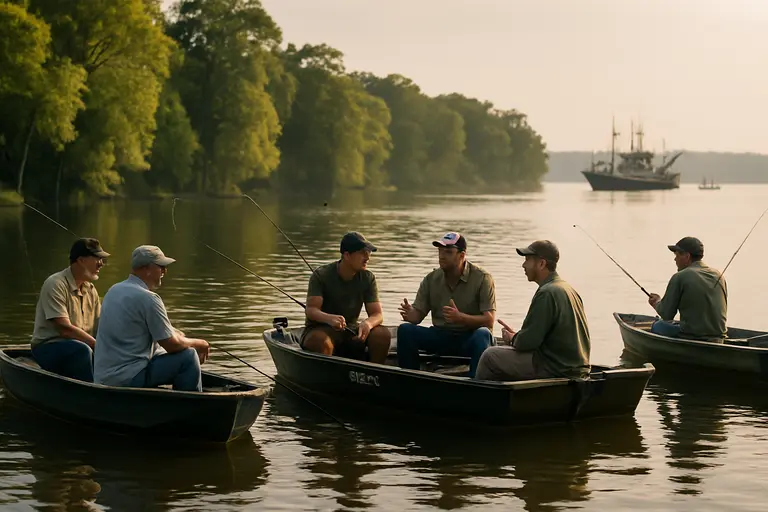
Fishing tournaments are not all built the same. A black bass event on a reservoir, a coastal redfish event, and an offshore HMS tournament can have different cost structures, travel demands, and safety needs. Offshore events may involve higher fuel costs and larger boats. Reservoir bass events may place more pressure on ramps, parking, and shoreline facilities. Coastal events may spread activity across marinas, bait camps, weigh-in stations, and nearby restaurants.
Research notes from Lake Guntersville, Alabama, reported an estimated 272 black bass tournaments in 2013 involving 10,035 anglers. Research notes from the southeastern United States reported an annual average of 41,939 black bass tournaments from 2009 to 2011, a 124 percent increase from 2002 to 2004. Those figures point to how common tournament bass fishing has become in some regions.
Infrastructure Shapes The Event Experience
Good fishing alone does not carry an event. Host towns also need access points that can handle launch traffic, safe parking, clear weigh-in areas, lodging capacity, and enough services to support anglers before and after fishing hours. If those pieces are strained, the tournament can still happen, but the experience may be harder for anglers, volunteers, and residents.
That is why communities often view ramps, waterfront parks, marinas, and fishery management as sports infrastructure. A tournament field needs the same kind of planning mindset that other amateur sporting events require: access, timing, crowd flow, safety, and clear communication.
What Communities Can Take From Fishing Tournaments
The Best Events Connect Competition And Place
Fishing tournaments give communities a sports-first way to bring people together while supporting local commerce. The confirmed research from Lake Fork and Atlantic HMS fisheries shows that tournament anglers generate spending across fuel, lodging, and related services. Other research notes show that tournament activity can be frequent in major bass regions and that agencies have viewed tournaments as generally beneficial for promoting fishing and agency programs.
The practical lesson for host towns is direct: treat tournament weekends as community sports events, not just boat-ramp traffic. Clear schedules, prepared businesses, safe access, visible weigh-ins, and support for volunteers can help the event serve anglers and residents at the same time.
For anglers, the value is also clear. They get structured competition, a public finish, and a chance to support the towns that provide access to the water. For communities, the payoff is measured in more than one receipt. It shows up in crowded diners before daylight, families at weigh-ins, busy marinas, youth interest, sponsor activity, and a stronger connection between local identity and the water.