
South Bay represents one of the most unique redfish environments on the Texas coast, but its shallow seagrass habitat requires anglers to think differently about access, boating, and conservation. Located at the southern end of the Lower Laguna Madre near Brownsville and the Rio Grande, South Bay gives redfish anglers opportunities to fish clear flats, grass edges, channels, and shallow areas where careful observation often matters more than aggressive movement. The same habitat that creates excellent redfish conditions also makes responsible boating behavior essential.
For Texas anglers, South Bay seagrass awareness is not just an environmental topic. It is directly connected to fishing success. Healthy grass supports baitfish, shrimp, crabs, and the small organisms that form the foundation of the food chain. It also creates the structure redfish use while moving through shallow water. Protecting those areas helps maintain the very conditions anglers depend on.
Why South Bay Is Important For Lower Laguna Madre Redfish
South Bay sits at the southern end of the Lower Laguna Madre, near the Brownsville Ship Channel and close to the mouth of the Rio Grande. Texas Saltwater Fishing Magazine’s July 2026 coverage of South Bay seagrasses highlighted the area’s unique character, including its shallow flats, limited deep-water access, and importance as a coastal habitat.
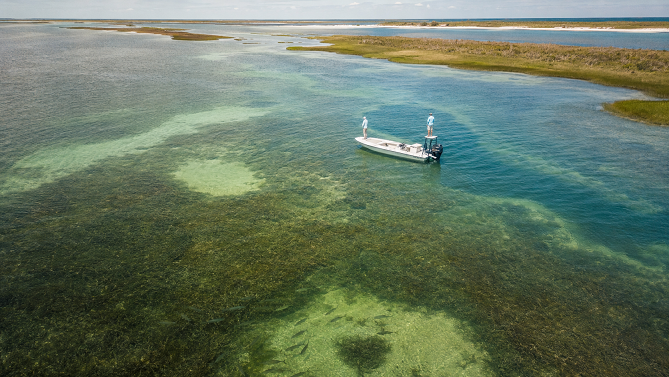
Unlike deeper bays where anglers can often move freely through wider channels, South Bay rewards anglers who understand shallow-water movement. Redfish use grass flats, sandy potholes, edges, and tidal connections to feed and travel. A successful trip often depends on reading the water rather than simply covering distance.
That makes South Bay an ideal example of how fishing and conservation overlap. Anglers are not separate from the habitat. They are using the same environment that supports the fishery.
A redfish feeding over healthy grass is not just a fishing opportunity. It is evidence of a functioning coastal system.
How Seagrass Creates Better Redfish Habitat
Seagrass is one of the most valuable pieces of Lower Laguna Madre habitat because it supports multiple parts of the food chain. Small fish, shrimp, crabs, and other organisms use grass beds for shelter and feeding areas. Redfish follow those prey species.
This relationship explains why grass flats are so important to shallow-water anglers. A flat without healthy habitat may look similar from above, but it often holds fewer reasons for fish to stay.
South Bay’s seagrass environment creates the type of structure redfish anglers search for:
- Grass edges where bait moves with tides
- Sandy potholes where predators can ambush prey
- Shallow channels where water exchange concentrates food
- Protected areas where young fish can develop
The challenge is that these same shallow areas are vulnerable. Boat traffic, poor navigation, and careless movement can damage grass beds that take years to recover.
For anglers, protecting seagrass is not separate from catching redfish. It is part of protecting future fishing opportunities.
Why Shallow-Water Boating Requires More Awareness
South Bay is attractive because it offers the type of shallow-water fishing many anglers enjoy. Sight-fishing, drifting flats, and working grass edges can produce memorable redfish trips. However, those same shallow conditions require more careful boat operation.
Prop scars are one of the biggest concerns in shallow seagrass systems. When boats run through grass beds at speeds that allow the propeller to strike the bottom, they can create long damaged paths through habitat. Those scars can affect grass growth, reduce habitat quality, and change how fish use an area.
That is why experienced flats anglers often rely on:
- Idle speeds in shallow areas
- Poling or trolling motors when appropriate
- Established channels when traveling
- Careful observation of water depth and bottom changes
Good boat handling is not only about avoiding damage. It also improves fishing. A quieter approach often allows anglers to reach less pressured redfish.
The angler who protects the grass often gives themselves a better chance to find fish.
How Redfish Anglers Can Fish South Bay Responsibly
Responsible fishing in South Bay begins before the first cast. The way an angler approaches the water determines whether the habitat remains productive.
The first step is understanding the bottom. Clear water can make seagrass easy to see, but anglers still need to recognize differences between grass, sand, channels, and deeper cuts. Running directly across shallow grass because the water looks open can create unnecessary damage.
The second step is respecting other anglers. South Bay’s shallow flats can concentrate activity, especially during favorable weather. Giving space to wade fishermen, drifting boats, and other flats anglers helps maintain a better experience for everyone.
The third step is handling fish properly. Redfish are a major part of Texas coastal culture, but successful fisheries depend on responsible harvest and release decisions.
TPWD’s current red drum regulations state that recreational anglers must follow red drum bag and length limits, including the 20-inch minimum and 28-inch maximum length slot. TPWD also outlines Red Drum Tag and Bonus Red Drum Tag requirements for qualifying oversized fish.
Rules protect the resource. Habitat protection helps ensure there is still a resource to manage.
Why South Bay Rewards Anglers Who Slow Down
South Bay is not the type of fishery where speed always creates success. The best anglers often spend more time observing than moving.
They watch for:
- Nervous bait activity
- Mullet movement
- Water color changes
- Tide direction
- Bird activity
- Shadows and wakes over grass
Those details reveal where redfish are likely to be.
This connects with recent Texas Sportsmen coverage of Lower Laguna Madre redfish fishing, where summer success depended on understanding depth changes, water temperature, bait movement, and patience. South Bay follows the same philosophy. The fishery rewards anglers who learn the environment instead of simply searching for a location.
A shallow flat is not empty just because fish are not immediately visible. Sometimes the difference between a productive area and an inactive one is only a small change in water movement or habitat.
How Conservation And Fishing Access Work Together
South Bay’s importance also shows why fishing access and conservation need to develop together. More anglers discovering Lower Laguna Madre waters creates opportunities for local economies, guides, tournaments, and outdoor recreation. But increased use also increases the responsibility to protect sensitive habitat.
Public access projects such as South Padre Island’s Marisol Laguna Madre Boat Ramp show how coastal communities are investing in fishing infrastructure. Better access helps anglers reach the water, but better education helps them use that access responsibly.
The same principle applies to tournament culture. Events like CCA Texas STAR bring more attention to redfish fishing across the coast. Anglers chasing tournament success still depend on healthy grass flats, clean water, and functioning ecosystems.
The future of Texas redfish fishing depends on balancing opportunity with stewardship.
For anglers who also follow broader sports markets and recreational competition, resources like learn how to bet on football in Oklahoma may be part of their online sports interests, but the same principle applies across activities: responsible participation helps preserve the communities and experiences people value. In fishing, that responsibility starts with the habitat itself.
Why South Bay Is A Conservation Lesson For Texas Anglers
South Bay shows that the best fishing destinations are often the places where anglers understand the environment as much as the fish.
The redfish are there because the habitat works. Grass supports prey. Prey supports predators. Tidal movement connects the system. Shallow water creates feeding opportunities. Every part of the chain matters.
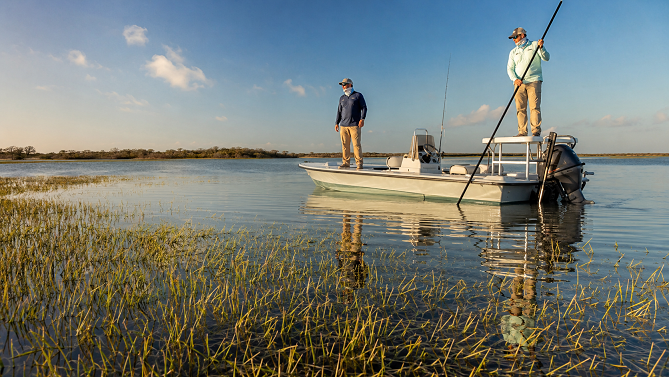
That means conservation is not only a government responsibility or a scientific project. Anglers are active participants every time they launch a boat, choose a route, handle a fish, or teach another person how to use the coast.
A damaged grass flat does not just affect marine biology. It affects future fishing trips.
That is why seagrass awareness belongs in every redfish conversation.
Why Protecting South Bay Protects Future Redfish Trips
Lower Laguna Madre anglers often remember South Bay because of the quality of the experience. Clear water, shallow flats, sight-fishing opportunities, and strong redfish potential make it one of Texas’ most distinctive coastal fisheries.
Keeping that experience available requires attention to the details that make it possible.
Avoiding prop damage, respecting shallow habitat, following regulations, and teaching new anglers responsible habits are all part of protecting the fishery. Those actions may seem small compared with the size of the bay system, but thousands of small decisions create the future condition of the coast.
South Bay is a reminder that fishing success begins long before the fish reaches the boat.
It begins with healthy habitat.