
Corpus Christi Water Levels have moved from drought strain to a sharp rebound, and that shift is changing how anglers read the lake, the river system, and the bays tied to the Nueces watershed. For bass fishermen, rising water can reopen cover, spread fish, and change daily patterns. For coastal anglers, the bigger issue is how freshwater inflows, or the lack of managed releases, affect salinity, bait, and fish stress in places such as Nueces Bay and the Nueces Delta.
Why Corpus Christi Water Levels Changed The Trip
The clearest confirmed turning point came on August 4, 2026, when the City of Corpus Christi eased drought restrictions from Stage 3 to Stage 2 after the Western Reservoirs exceeded the 30% capacity threshold. The city reported Lake Corpus Christi at about 67.8% capacity, Choke Canyon at about 24.9%, and the combined Western Reservoirs at about 36.9% at that time, according to the city announcement.
That matters on the water because reservoir fishing is not just about the number on a gauge. A lake rising after a hard low-water period changes access, shoreline cover, fish position, and where bait can hold. Anglers who spent months thinking in terms of deeper channels and reduced shoreline options now have to reassess points, flooded brush, bank transitions, and newly reachable areas.
As of September 4, 2026, the research record for this report listed Lake Corpus Christi at about 88.5% full. That marks a major change from earlier in 2026, when the lake had been reported far lower. The exact day-to-day fishing effect still depends on water clarity, temperature, flow, wind, and local access, but the broad sports impact is clear: anglers are dealing with a different playing field than they had during the drought stretch.
What The Rebound Changes First
The first change is space. More water lets fish and forage spread. That can be good for the fishery and tougher for anglers who had been finding fish concentrated by low water. During a low-water bite, bass may stack around deeper edges, creek channels, and remaining structure. When water rises, fish can push into newly covered habitat, especially if that cover offers shade, ambush points, or bait.
The second change is decision-making. A rising lake rewards anglers who check conditions rather than run the same bank out of habit. A shoreline that was dry or too shallow weeks earlier may now be fishable. A channel swing that held fish during low water may still matter, but it may no longer be the only reliable lane.
What Rising Reservoirs Mean For Bass
Lake Corpus Christi has long been part of the South Texas bass conversation, but habitat has been a limiting factor. A Texas Parks and Wildlife Department fisheries management plan reported that aquatic vegetation in a 2023 survey was limited to floating non-native types, with native submerged vegetation basically absent; the same plan noted that largemouth bass abundance has varied widely under different conditions, from roughly 10 to more than 200 fish per hour in historical sampling, according to TPWD fisheries data.
That habitat note is important for anyone trying to make sense of the current refill. Rising water does not instantly create submerged grass. It can flood terrestrial cover, improve access to shoreline structure, and give juvenile fish more edge habitat, but the lake still has to be read for the cover that is actually there. Bass anglers should separate the excitement of more water from the specific habitat available on a given bank.
Corpus Christi Water Levels And Bass Habitat
Corpus Christi Water Levels do not change the fundamentals of bass fishing; they change where those fundamentals show up. Cover, oxygen, forage, water temperature, and depth still drive the bite. A refill can bring more shoreline targets into play, but it also gives bass more room to roam. That makes pattern building more important, not less.
For local anglers, the practical read is to start with transition areas. Look for places where deeper water sits near fresh shoreline cover, where wind pushes bait into banks, and where water color gives bass a useful feeding edge. In a rising system without strong native submerged vegetation, wood, rock, docks, brush, drains, and depth breaks can carry extra weight.
A Practical Bass Read After Refill
The best bass approach after a refill is patient and evidence-based. If bait is present and water has enough clarity for reaction baits, covering water can help locate fish. If the lake is dirty, warming fast, or changing level by the day, slower presentations around hard cover and protected banks may give anglers better control. None of that guarantees a limit, but it gives fishermen a way to turn new water into a plan.
Local anglers tracking wind, heat, cloud cover, and afternoon conditions can also use weather as part of the same scouting process. For a related local planning angle, our recent look at Corpus Christi weather explains why daily conditions matter before a trip.
Where Bay Salinity Fits The Fishing Story
The reservoir rebound is only one side of the Corpus Christi fishing story. The estuary side is more complicated because Nueces Bay and the Nueces Delta depend on freshwater inflows to balance salinity. The research provided for this report says Corpus Christi had not released freshwater flows into the Nueces River Delta and Nueces Bay since 2024, even after reservoirs passed the 30% threshold historically tied to environmental flow requirements.
That is a major point for coastal fishermen because salinity affects bait, nursery habitat, and fish distribution. Elevated salinity does not mean every redfish, trout, or flounder leaves an area at once. It does mean the estuary can stop behaving like anglers expect, especially in shallow zones where heat, evaporation, and weak flushing can increase stress.
Freshwater Inflows And The Estuary
Freshwater inflow helps shape the food chain from the bottom up. It affects plankton, shrimp, crabs, small finfish, marsh vegetation, and the salinity bands that young fish use. When that balance shifts, anglers may notice it first through bait movement, water color, dead zones, or inconsistent catches in areas that usually hold life.
For the Corpus Christi region, that creates a split-screen fishing report. Lake anglers may see more water and better access. Bay anglers may still be asking whether the estuary is getting enough freshwater to support its usual mix of habitat and forage. Both can be true at the same time.
Fish Stress Remains Part Of The Report
The research record also noted fish kills during summer 2026 tied to low dissolved oxygen and high temperatures, especially in places where freshwater and saltwater conditions meet or where water movement is restricted. Small schooling fish such as menhaden, often called chads by local anglers, were listed as early affected species in those reports.
For fishermen, that is not just an environmental note. It is a sports condition. Low oxygen can shut down a bite, move fish out of shallow water, and make bait scatter or die. If anglers see stressed bait, dead fish, foul water, or unusually still backwater during hot weather, the smart move is to adjust locations and avoid putting extra pressure on fish already dealing with poor conditions.
Community Planning Around A Changed Water Year
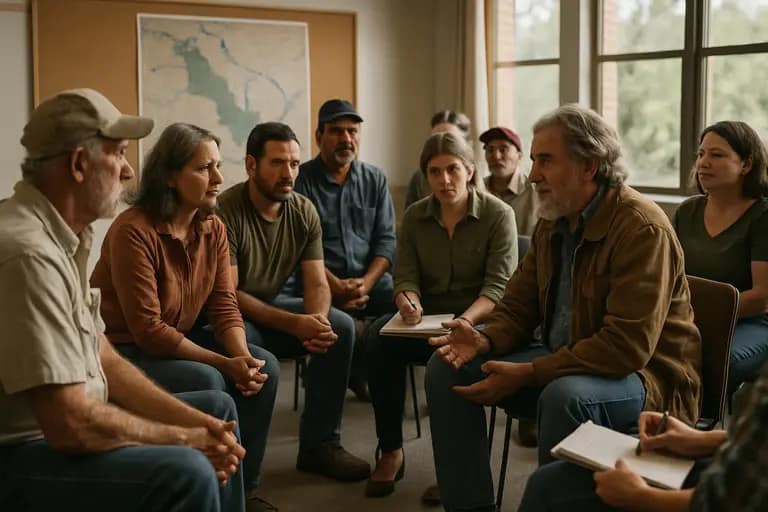
Fishing in the Corpus Christi region is tied to more than private trips. It touches weekend family routines, local tackle shops, youth anglers, guides, shoreline access, tournaments, conservation groups, and city water policy. When water levels surge after drought, the whole community has to reset expectations.
For freshwater anglers, that reset means checking ramps, watching floating debris, and treating newly covered shorelines with respect. For coastal anglers, it means paying attention to salinity clues and water quality rather than assuming the reservoir rebound has fixed every downstream concern. For event organizers, it means building plans around confirmed access and safe conditions, not old assumptions from the low-water months.
- Check current access before hauling a boat to a ramp.
- Watch for debris and unfamiliar shallow hazards after a rapid rise.
- Use bait presence, water color, and oxygen clues to judge fishable water.
- Respect legal harvest rules when fish become concentrated by conditions.
That same sports-first planning mindset reaches beyond fishing. Readers interested in a broader perspective can also explore NBA Playbook for detailed basketball insights at NBA Playbook, but on the water around Corpus Christi, the key matchup is still angler versus conditions.
Why Corpus Christi Water Levels Matter On The Water
Corpus Christi Water Levels matter because they connect the freshwater lake bite, the reservoir system, and the estuary that supports coastal fishing. The August 4 move from Stage 3 to Stage 2 drought restrictions confirmed a major reservoir improvement. The September 4 lake level noted in the research record showed an even stronger rebound at Lake Corpus Christi. Those are real changes for anglers who had been fishing through drought pressure.
The fishing takeaway is not that every trip suddenly gets easier. More water can improve access and habitat options, but it can also spread fish and make patterns harder to pin down. In the bays, the salinity question remains central because environmental flow decisions affect marshes, bait, and juvenile fish habitat.
For the Corpus Christi fishing community, the right response is clear: celebrate the water gain, keep reading conditions, and keep the estuary in the conversation. A full-looking lake and a stressed bay can exist in the same region. Good anglers, good clubs, and good local stewards understand that the health of the fishery depends on both.