
Free Fishing Day at Big Thicket National Preserve is scheduled for Saturday, August 29, 2026, from 8:00 AM to 11:00 AM at Collier’s Ferry Park in Beaumont, Texas, according to the National Park Service announcement. For southeast Texas anglers, the event stands out because it removes two common barriers at once: registration is not required, and participants do not need a fishing license for the event. That makes the morning useful for first-time anglers, families, and anyone who wants ranger-guided instruction before building more independent time on the water.
Why Free Fishing Day Matters For Big Thicket Anglers
Fishing events work best when they put rods in hands while also teaching people how to fish safely and legally. That is the strongest piece of the Big Thicket plan. The event is open to people of all ages and abilities, and the program includes beginner-friendly, family-oriented instruction. In a sport where early trips can decide whether a newcomer stays with fishing, that kind of setup matters.
Big Thicket National Preserve is not a small backdrop for the morning. The preserve covers more than 113,000 acres across nine land units and six water corridors. It sits in southeast Texas, about 75 miles northeast of Houston. That scale gives the preserve a strong outdoor identity, but a large public land system can also feel intimidating to new users. A short, structured fishing morning at Collier’s Ferry Park gives participants a clearer starting point.
Free Fishing Day Basics At Collier’s Ferry Park
The confirmed event site is Collier’s Ferry Park at 5390 Pine Street in Beaumont, Texas. The 8:00 AM to 11:00 AM window is short enough for families to manage, but long enough for anglers to rotate through basic instruction, bank-fishing time, and event support. Since registration is not required, the format is simple from an access standpoint. Participants can arrive for the morning session without going through a sign-up process ahead of time.
For new anglers, Free Fishing Day also answers the gear question. Fishing equipment will be provided, though participants are welcome to bring their own. That matters because tackle cost can be a real hurdle for families testing the sport for the first time. A person can learn casting, knots, rod setup, and safety without first buying a full set of gear.
What The No-License Format Changes
The no-license structure is one of the event’s biggest access points. It does not erase the need to learn fishing limits and regulations; in fact, rangers are scheduled to teach that subject as part of the hands-on guidance. But for this specific event, the National Park Service says participants do not need a fishing license. That makes the morning less about paperwork and more about skill-building.
That approach fits the best kind of community fishing day. Removing the license requirement for the event gets people to the water, while the instruction helps them understand what responsible fishing looks like after the event is over.
Instruction, Gear, And Safety On The Water
Ranger-led fishing instruction is the core sports value of the morning. The National Park Service says park rangers certified in angler instruction will teach participants how to identify common southeast Texas fish species, cast, tie knots, set up fishing rods, understand fishing limits and regulations, and fish safely. Those are not side details. They are the building blocks that turn a casual outing into repeat participation.
For bass anglers and panfish anglers alike, fundamentals decide how quickly a newcomer improves. Casting control keeps hooks away from other people. Knot strength prevents lost fish and lost tackle. Rod setup helps beginners understand why line, hooks, bait, and presentation need to work together. Species identification and regulations keep the day tied to conservation as well as recreation.
- Date: Saturday, August 29, 2026
- Time: 8:00 AM to 11:00 AM
- Location: Collier’s Ferry Park, 5390 Pine Street, Beaumont, Texas
- Registration: Not required
- Fishing License: Not required for the event
- Gear: Provided, with personal equipment also allowed
- Access Support: ASL interpreters available throughout the event
Why Ranger Coaching Helps New Anglers
A first fishing trip can fall apart over small problems: a knot slips, a reel tangles, a hook is tied poorly, or an angler does not know where to cast from the bank. Ranger coaching shortens that learning curve. It also gives families a safer setting, because instruction is built into the event rather than left to guesswork.
For experienced anglers, the value is different. A veteran may not need help tying a knot, but they can still use the morning to support a child, neighbor, or friend who is learning. Community fishing grows when skilled anglers treat beginner events as development days, not just casual outings.
Accessibility Is Part Of The Event Plan
The event includes ASL interpreters throughout the morning. That confirmed detail is worth emphasizing because communication access affects whether people can fully take part in instruction. Casting, safety, regulations, and boat-trip information all depend on clear communication. The interpreter support gives more participants a fair chance to learn from the same program.
Fishing often gets described as a simple sport, but access is rarely simple for every participant. Gear, instruction, transportation, confidence, and communication all shape who gets to join. Big Thicket’s event addresses several of those barriers in one morning.
Boat Trips Add A Different View Of The Preserve
The event is not limited to bank fishing. Free sightseeing trips aboard the Ivory Bill are scheduled as part of the morning. The National Park Service says those boat trips will last 30 to 45 minutes and are separate from the bank-fishing activities. That distinction matters for planning: the boat ride is not presented as the same activity as fishing from the bank.
From an angler’s perspective, that split is useful. Bank fishing teaches direct skills: casting, rod setup, knots, limits, and safety. The boat trip gives participants a broader view of the preserve’s waterways. For families, that can turn a short fishing clinic into a fuller outdoor education experience without changing locations.
Bank Fishing Still Carries The Main Skill Work
The bank-fishing portion remains the practical center of the event. A new angler can learn the feel of holding a rod, aiming a cast, working with line, and listening to safety direction. Those simple reps matter. Fishing is a sport of repeated actions, and a bank setting is often the best first classroom because it reduces pressure and keeps coaching close.
For anyone who fishes local ponds, bayous, rivers, or park waters around southeast Texas, these skills transfer. The exact water body may change, but safe casting lanes, knot confidence, and rule awareness follow an angler everywhere.
How The Event Fits National Park Week
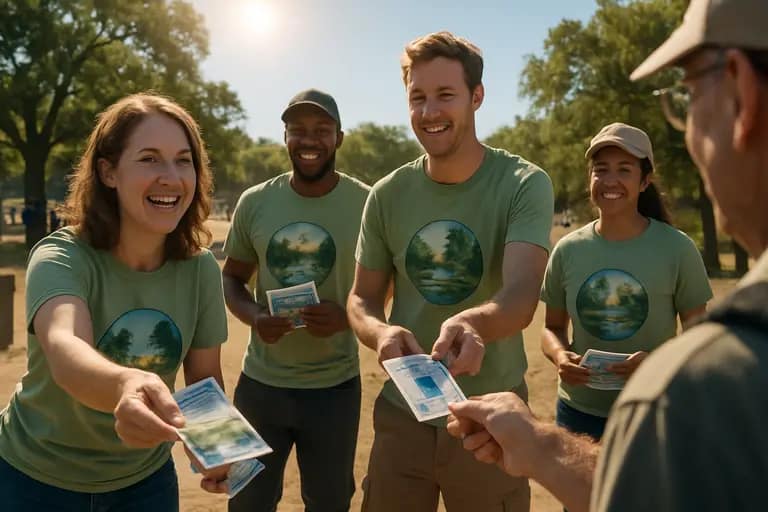
The Big Thicket event is organized to coincide with National Park Week under the theme “Celebrate America’s Story.” In this setting, fishing is not treated as a side activity. It is a way for people to connect with public lands through a sport that has long been part of local outdoor life in southeast Texas.
That connection is practical, not just ceremonial. A person who learns to fish at a public park is more likely to understand access points, water corridors, regulations, and shared responsibility. A family that receives gear help and safety instruction may be more comfortable returning to public water later. That is how one morning can feed a larger angling culture.
Readers who follow community-first outdoor coverage across our network can also explore more about fishing and local recreation at Back2Tap, a related site that discusses access and participation as part of the wider sports conversation.
What Participants Can Reasonably Expect
Based on the confirmed details, participants should expect a morning built around instruction, access, and family participation. They should not expect registration lines tied to advance sign-up, because registration is not required. They should not need to bring a license for this event. They can bring their own gear if they have it, or use equipment provided at the site.
The National Park Service has confirmed the core subjects rangers will teach, but it has not listed a public schedule that breaks the three-hour window into separate stations or timed sessions. That means the safest reading is simple: the event runs from 8:00 AM to 11:00 AM, with bank fishing, ranger instruction, gear support, ASL interpretation, and separate Ivory Bill sightseeing trips included in the morning plan.
What Free Fishing Day Teaches Beyond One Morning
Free Fishing Day is more than a low-cost outing. It is a player-development model for the fishing community. In team sports, coaches build fundamentals before competition. Fishing works the same way. Casting, knots, species identification, rod setup, safety, and rule knowledge create the base that lets an angler fish with confidence later.
That development angle matters in Beaumont and across southeast Texas. Public events can introduce people to fishing without requiring a boat, expensive tackle, or years of family experience. A ranger-led format also helps keep conservation tied to participation. Learning limits and regulations at the start is better than treating rules as an afterthought.
For parents and mentors, the event offers a useful way to hand off basic instruction to trained staff while still sharing the day with a child or new angler. For experienced local anglers, it is a reminder that the sport grows through invitation. Every confident caster started as someone who needed a first lesson.
Why Free Fishing Day At Big Thicket Deserves Attention
The August 29, 2026 event at Collier’s Ferry Park has a clear purpose: get more people fishing, teach them the right way to start, and connect them with Big Thicket National Preserve through a supported public program. The no-registration and no-license structure lowers the entry point. Provided gear helps beginners. Certified ranger instruction gives the morning substance. ASL interpreters expand access. The Ivory Bill sightseeing trips add a waterway experience separate from the bank-fishing lesson.
For southeast Texas anglers, that combination is worth noticing because it treats fishing as both sport and community practice. A good event does not just count who showed up. It gives people enough knowledge to come back, follow the rules, fish safely, and bring someone else next time. That is the real measure of a strong public fishing day at Big Thicket.