
Becoming a skilled bass angler requires more than luck—it involves knowledge, precision, and the ability to adapt to ever-changing conditions. Whether you’re a beginner or someone looking to sharpen your abilities, understanding the fundamentals of bass fishing can significantly improve your results.
This guide explores the essential techniques, tools, and strategies that can help elevate your fishing game and turn you into a more consistent angler.
Understanding Bass Behavior and Habitat
One of the most important steps toward becoming a skilled bass angler is learning how bass behave in their natural environment. Bass are not random swimmers; they rely heavily on structure and environmental conditions.
They are commonly found near underwater structures such as fallen trees, rocks, docks, and vegetation. These areas provide both protection and feeding opportunities. By targeting these zones, anglers increase their chances of locating fish.
Water temperature also influences movement. In warmer conditions, bass tend to move deeper or stay in shaded areas, while cooler temperatures often bring them into shallow water. Recognizing these patterns helps anglers make smarter decisions on where to cast.
Mastering Core Fishing Techniques
To consistently catch fish, mastering bass fishing techniques is essential. One of the most critical skills is casting accuracy. Placing your lure close to cover where bass hide greatly improves your chances of triggering a bite.
Equally important is your retrieve technique. A slower retrieve often works best in colder conditions when fish are less active, while faster and more erratic movements can provoke aggressive strikes during warmer periods.
Another key factor is timing your hookset. Recognizing a bite and reacting correctly can make the difference between landing a fish and losing it. Developing this instinct comes with practice and experience.
Choosing the Right Gear
Using proper equipment is crucial for anyone aiming to become a skilled bass angler. The right setup enhances both performance and confidence on the water.
A versatile rod and reel combination, such as a medium-heavy rod with fast action, offers a good balance of sensitivity and strength. This allows anglers to detect subtle bites while maintaining control during the fight.
Line selection also matters. Fluorocarbon line is nearly invisible underwater, making it ideal for clear water conditions. On the other hand, braided line provides superior strength and is excellent for fishing in heavy cover.
Selecting the right bass fishing lures is equally important. Soft plastics, crankbaits, spinnerbaits, and topwater lures each serve a purpose depending on the situation. Matching your lure to the environment increases your effectiveness.
Adapting to Seasonal Changes
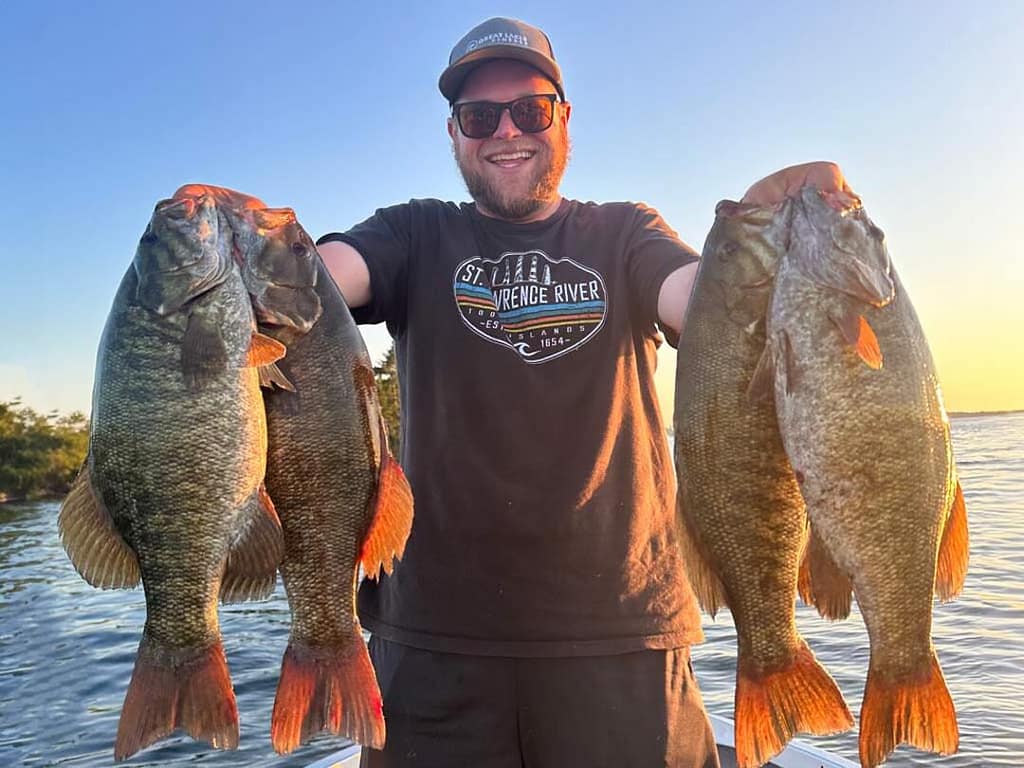
Seasonal awareness is a defining trait of a skilled bass angler. Each season presents unique challenges and opportunities.
In spring, bass move into shallow water to spawn, making them easier to locate. During this time, slower presentations often yield the best results.
Summer requires a different approach. As temperatures rise, bass seek deeper or shaded areas. Fishing during early morning or late evening can significantly improve your chances of success.
Fall is known for increased feeding activity. Bass become more aggressive as they prepare for winter, making it a great time to use moving lures and cover more water.
Winter fishing demands patience. Bass are less active, so using slower techniques and targeting deeper areas becomes essential.
Reading Water and Conditions
A skilled bass angler understands how to read the water and adjust accordingly. Factors such as clarity, weather, and wind all influence fish behavior.
In clear water, a more natural presentation is required, as bass can easily detect unnatural movements. In murky water, anglers can use brighter lures and more aggressive techniques to attract attention.
Wind can actually improve fishing conditions. It breaks up the water surface, making bass less cautious and more willing to strike. Targeting windy shorelines often produces better results.
Cloud cover can extend feeding periods, while bright sunlight may push fish into deeper or shaded areas. Learning to interpret these environmental cues gives anglers a significant advantage.
Developing Patience and Consistency
Patience is a defining quality of every skilled bass angler. Not every trip will be successful, and slow days are part of the process.
The ability to remain persistent and experiment with different approaches is what separates average anglers from highly effective ones. Adjusting your technique, lure, or location can often turn a slow day into a productive one.
Consistency also comes from tracking your experiences. Keeping notes on conditions, successful lures, and locations helps build a deeper understanding over time.
Conclusion:
Becoming a skilled bass angler is a journey that requires dedication, observation, and continuous learning. By understanding bass behavior, refining your fishing techniques, selecting the right gear, and adapting to seasonal changes, you can greatly improve your success rate.
Ultimately, time on the water is your greatest teacher. With persistence and the right mindset, you will not only catch more fish but also gain a deeper appreciation for the sport.