
Sam Rayburn Strategies matter more than usual for the Phoenix Bass Fishing League Cowboy Division Super Tournament scheduled for September 12-13, 2026, because the event pairs a proven big-bass reservoir with late-summer pressure, low lake conditions, hot weather, and falling water temperatures. As of September 7, 2026, the tournament had not yet been held, so this preview stays focused on confirmed conditions, practical preparation, and how competitors can make better decisions once practice time gets short. Major League Fishing has framed the event as a new challenge for the Cowboy Division at Rayburn, with those weather and water variables central to the setup MLF preview.
Why Sam Rayburn Strategies Start With Conditions
Scheduled Dates And Weather Cues
The calendar is the first tactical point. A two-day Super Tournament on September 12-13, 2026, asks anglers to build a plan that can survive more than one morning bite. A strong opening window can help, but the winning approach usually has to include backup water, secondary cover, and a clear answer for what happens once the sun gets higher and fish settle closer to structure.
The confirmed event notes point to hot weather, low lake levels, and falling water temperatures. That combination can create mixed signals. Heat can keep fish tied to shade, depth, timber, brush, or vegetation edges. Falling temperatures can begin to encourage transition behavior, especially where bait and bass use staging areas between deep and shallow water. Competitors should not treat the reservoir as one uniform pattern. Rayburn can fish like several different lakes depending on clarity, arm, depth, cover, and wind.
Sam Rayburn Strategies For Low Water
Research notes for September 6, 2026, placed Sam Rayburn at a mean water level of 155.01 feet, about 9.41 feet below flood-pool elevation and about 67.1 percent full. Those figures do not name a winning area, but they do change how anglers should read the lake. Low water can remove shoreline cover, reposition fish off the bank, and make isolated cover more important because fewer pieces of habitat remain at the most useful depths.
The best Sam Rayburn Strategies should begin with safety and then move to efficiency. Low water can make boat lanes, stumps, timber, points, and shallow flats less forgiving. Tournament anglers already lose time when they make unplanned long runs; they lose even more when low-water hazards force them to idle or reroute. A strong plan should group areas by section of the lake, not just by bait choice.
How Low Water Changes The Tournament Math
Cover, Clarity, And Boat Position
Texas Parks and Wildlife describes Sam Rayburn as a reservoir with aquatic vegetation such as hydrilla, lotus, and pondweed, along with standing timber and brush piles; TPWD also notes that water can range from relatively clear in the lower lake to off-color in upper sections TPWD reservoir profile. That matters for both lure choice and boat position.
Clearer lower-lake water may reward longer casts, more natural presentations, and careful positioning around vegetation edges or main-lake structure. Stained upper-lake water may push anglers toward heavier profile, vibration, slower target fishing, or presentations that stay close to cover. Neither end of the lake gets an automatic advantage. The question is which section gives a competitor the best mix of keeper bites, quality potential, and repeatable water across two tournament days.
Brush piles in the 15- to 25-foot range deserve special attention under the conditions listed in the research. They can hold bass when lake levels and clarity are not ideal, and they give anglers a defined target after the morning shallow bite fades. The key is not simply finding brush. It is finding brush that sits near bait, useful depth changes, creek-channel influence, or vegetation that gives bass multiple ways to feed and rest.
Weight Targets Without Chasing Ghosts
Available TPWD survey material in the research notes described largemouth bass abundance as relatively high, with favorable and stable size structure. The notes also indicate that fish in the 4- to 7-pound range make up much of the larger-fish class, while bass over 8 pounds are rare in recent survey results. For tournament planning, that means anglers need to respect big-fish potential without building the whole event around one bite that may not come.
Recent Sam Rayburn tournament data in the research notes from 2019-2022 showed average winning weights for multi-day events ranging from 24.1 to 27.9 pounds. That is a useful benchmark, not a promise. Weather, water level, field pressure, and the event format can all affect what it takes to win. Still, it tells competitors that average fish alone may not be enough. Anglers need keeper security, then at least one meaningful upgrade window each day.
A Practice Plan For September 12-13
With the event set for September 12-13, 2026, practice should be less about proving every historical spot and more about ranking high-percentage decisions. A competitor can burn a full day checking too many places that look good on a map but do not match the confirmed conditions. The sharper plan is to separate water by function: morning feeding areas, mid-day brush or timber, vegetation edges near deeper water, and backup areas protected from wind.
That is where Sam Rayburn Strategies become a time-management exercise. Anglers should know which areas can produce quickly and which areas require patience. They should also note whether bites are coming from the thickest cover, outside edges, isolated wood, suspended fish, or bottom contact. Those details matter more than a single caught fish because they help a pattern travel.
- Start practice with safe routes and low-water access in mind before choosing fishing rotations.
- Map brush piles, timber edges, and vegetation near deeper water instead of relying only on shoreline targets.
- Test early topwater or moving-bait windows, then shift to slower structure work once the sun rises.
- Keep notes on clarity changes from lower-lake clear water to stained upper-lake conditions.
For readers exploring options beyond Rayburn, you can compare it with other fishing locations by visiting community sites. One such resource, Scar Sports, offers insights into a variety of community-centered sports activities.
Tackle Choices That Match The Confirmed Pattern
Early And Late Windows
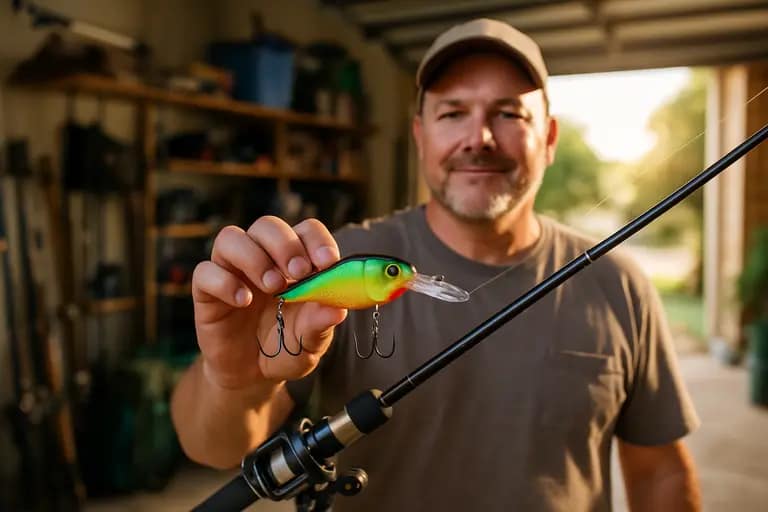
The research notes point to early morning and late evening as the most productive bite windows during similar late-summer patterns. That does not mean every topwater bite will be strong, but it does mean anglers should be ready to cover active water before light gets high. Topwater, swimbait, and jerkbait setups can help test fish that are feeding or suspended around edges, especially where bait is present.
Once the sun climbs, the tackle plan should slow down and tighten up. Jigs, worms, and presentations suited for brush, timber edges, and main-lake structure give anglers a way to stay in contact with bass that have moved off the most obvious shallow targets. Finesse options can matter when the bite gets cautious, while heavier gear may be needed around thick vegetation or wood. The correct choice depends on clarity, cover density, and how fish are positioned that hour.
The mistake is carrying a full deck of rods without a decision tree. A better tournament box has a role for each tool: one to cover water, one to pick apart brush, one to fish vegetation, one to tempt suspended fish, and one to protect against a tough bite.
Community And Event Etiquette Around Rayburn
Keep The Event Moving
A Super Tournament does not just test casting and electronics. It also tests how anglers share space. Low water can crowd usable ramps, lanes, and productive cover, so courtesy becomes part of the event rhythm. Competitors should launch efficiently, give other boats room on brush and timber, and avoid blocking access while organizing tackle or waiting on partners.
That matters for the local fishing community because tournament pressure is most manageable when anglers act like guests as well as competitors. Rayburn supports serious bass fishing, weekend recreation, and local businesses tied to the lake. A well-run tournament week depends on anglers respecting parking areas, ramps, fuel stops, and weigh-in flow. For broader sports coverage from the same network family, Scar Sports tracks community-centered competition across other fields of play.
The available research does not confirm every operational detail for the 2026 event, including any site-specific ramp procedure or final tournament instructions. Competitors should rely on official Major League Fishing communications for check-in, takeoff, weigh-in, and rule updates.
Sam Rayburn Strategies For The Super Tournament
Sam Rayburn Strategies for September 12-13, 2026, should be built around confirmed conditions rather than old habits. The lake is low, the weather setup is hot, water temperatures are falling, and clarity can shift by section. Those facts point toward a flexible plan that values safe movement, efficient practice, productive cover, and a two-day bite plan.
The angler who manages the event best may not be the one who finds the flashiest practice bite. It may be the one who understands why bass are using a place, how that place changes after the sun rises, and where the next dependable bite should come from. At Rayburn, that means respecting vegetation, timber, brush, depth, clarity, and timing. The reservoir can still produce the kind of fish that swing a tournament, but success starts with disciplined decisions before the first cast on September 12, 2026.