
Stillhouse Hollow Zebra Mussels remain a working issue for anglers because the confirmed control measures are tied to lake infrastructure, boat movement, and long-running public education at access points. As of September 2, 2026, the research supplied for this report confirms a copper ion generator project connected to the Williamson County Regional Raw Water Line pump station, but it does not confirm new fishing closures, new harvest limits, or a completed project date. For folks hauling skiffs, kayaks, livewells, and tournament rigs through Texas, the practical lesson is still clear: clean equipment, read posted signs, and avoid moving invasive species from one freshwater body to another.
Why Stillhouse Hollow Zebra Mussels Matter To Anglers
As of June 2026, Texas had 35 lakes listed as fully infested with zebra mussels, including Stillhouse Hollow Lake, according to the USGS Zebra Mussel Monitoring Program. That number matters on the fishing side because anglers are often the ones moving between lakes with boats, trailers, bait buckets, anchors, ropes, and livewell systems. A single trip can connect water bodies unless gear is drained and cleaned before the next launch.
The July 2016 Confirmation
Stillhouse Hollow Lake was confirmed to have reproducing populations of zebra mussels on July 25, 2016, according to a TPWD news release. That date puts the lake well beyond the first-alert stage. For anglers, the issue is not whether zebra mussels are present; the issue is how lake users respond each trip so the problem is not carried farther across Texas water.
The lake’s status also puts Stillhouse Hollow in the same conversation as other Texas fisheries where boat movement and public access can shape the spread of aquatic invasive species. Texas Sportsmen readers who fish events or move between regions have seen the same theme in coverage of Texas tournament anglers and zebra mussels. The species does not care whether a boat was used for a club derby, a family crappie trip, or a quick evening run after work.
What The Copper Ion Project Is Designed To Do
The Brazos River Authority Board approved about $2.43 million for construction of a copper ion generator project at the Williamson County Regional Raw Water Line pump station. The project is meant to help control zebra mussels between Stillhouse Hollow Lake and Lake Georgetown. The confirmed description says the system delivers low-level copper dosing in feed pipes at intake screens, where it hinders zebra mussel development and helps prevent veliger settlement on infrastructure.
How The Project Connects To Raw-Water Infrastructure
This is an infrastructure control measure, not a new fishing method or a change in sport-fishing rules. The construction services contract was awarded to Peabody General Contractors, LLC, which submitted the low bid and met criteria set by the Brazos River Authority and Walker Partners. The research also states that the cost is borne by the Williamson County Regional Raw Water Line owners: Georgetown, Round Rock, and Brushy Creek Municipal Utility District.
For anglers, the useful reading is practical. A copper ion generator at intake screens targets zebra mussel settlement on water-system infrastructure. It does not remove the need for boaters to clean, drain, and dry gear. It also does not mean every ramp, cove, or shoreline will be affected in the same way. The supplied research does not identify fishing access closures tied to this project, so any access decision should be checked against posted information at the lake and official local notices before launching.
The project schedule in the capital improvement information supplied for this report listed design, bidding, and initiation of construction in FY 2022 and FY 2023, with projected total expenditures exceeding $3.4 million across multiple fiscal years. Those schedule items were already in the past as of September 2, 2026. The research does not provide a confirmed completion notice, so this report does not treat the system as completed.
What Changes At The Ramp For Fishing Crews
The most direct angler-facing control measure remains the required cleanout habit. Existing rules require boaters to drain boats, livewells, and bait buckets before moving across different public freshwater bodies. Possession or transport of zebra mussels, alive or dead, is illegal. That rule hits home for redfish anglers like me who also fish freshwater on off weekends: the same discipline we use rinsing salt from reels and trailers applies at inland ramps, except here the risk is carrying an invasive species to the next lake.
Stillhouse Hollow Zebra Mussels At The Ramp
Stillhouse Hollow Zebra Mussels should be treated as a trip-planning detail, not an afterthought at the end of the day. Before leaving the ramp, crews should give themselves time to pull plugs, empty livewells, check bait buckets, inspect ropes, and look over trailer bunks and axle areas. The research confirms that aquatic invasive species signage, including zebra mussel messaging, has been maintained at all boat ramps and public access points since 2016. That means the public education piece has been part of the lake routine for years.
- Drain boats, livewells, and bait buckets before leaving for another public freshwater body.
- Check trailers, anchors, ropes, and other wet gear that may hold water or attach organisms.
- Read ramp signage before launch and before leaving, especially if fishing multiple lakes in one week.
- Do not transport zebra mussels, whether alive or dead.
For anglers, Stillhouse Hollow Zebra Mussels are not just a biology note. They can shape how long it takes to wrap up after a trip and how a crew plans a multi-lake weekend. That matters for high-school teams, kayak groups, local clubs, and families who may fish Stillhouse Hollow one day and another public freshwater body soon after.
How Monitoring And Outreach Shape The Local Fishery
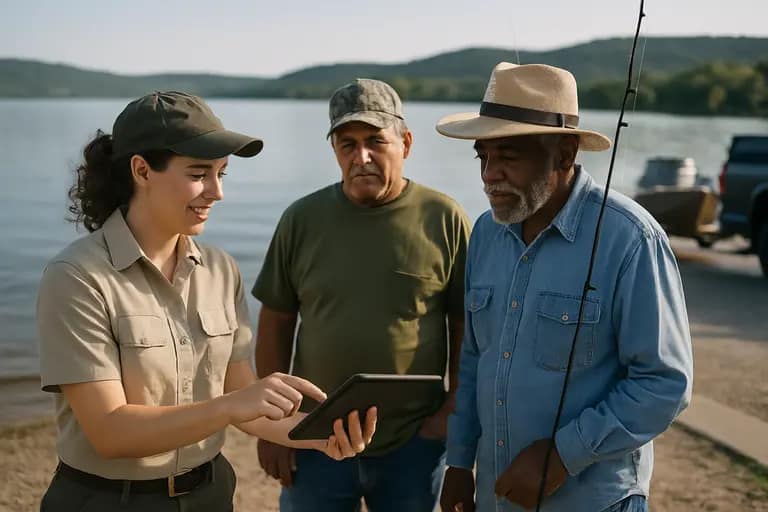
TPWD’s 2021 survey report, as summarized in the research, laid out plans for more monitoring at Stillhouse Hollow Lake. That included spring 2024 and spring 2026 gill netting surveys, plus aquatic vegetation and access facility surveys in late summer 2025. Those dates have already passed as of September 2, 2026, so they should be read as scheduled monitoring milestones rather than future events.
Why Public Education Still Carries Weight
The same research notes that boater outreach through interns, presentations, and printed materials is part of the public education strategy. For a fishing community, that type of outreach works best when anglers treat it as part of the sport, not as paperwork. Ramp talk spreads fast. If one crew reminds another to drain a livewell or check a trailer, that helps reinforce the same message posted on signs.
This is where community culture matters. The best fishing towns are built around shared habits: helping at the ramp, respecting lines at access points, measuring fish correctly, and leaving the water better than you found it. Readers who follow sports across the same network may know the teamwork seen in Dashers Hockey; here, the goal is less about scores and more about keeping waters healthy and connecting communities through responsible angling.
What Anglers Should Not Assume
The copper ion generator project is a confirmed control measure, but anglers should not assume it changes every part of the Stillhouse Hollow Lake experience. The research does not confirm new launch closures, new no-fishing zones, altered bag limits, or water-level changes tied to the project. It also does not say that zebra mussels have been removed from the lake.
No Shortcut Around Clean, Drain And Dry
The safest reading is simple: infrastructure controls and angler cleanup duties operate side by side. A system designed to hinder zebra mussel development at intake screens does not clean a boat trailer, dry a bait bucket, or empty a livewell. Anglers are still responsible for the equipment they move.
For tournament directors and fishing club leaders, the planning point is worth repeating before check-in and after weigh-in. If anglers are trailering to another freshwater body, build cleanup time into the schedule. If new members are joining a club trip, explain the rules before anyone backs down the ramp. No one needs a long speech; a direct reminder can prevent a costly mistake.
Stillhouse Hollow Zebra Mussels For Anglers
Stillhouse Hollow Zebra Mussels have moved from discovery to long-term management. The July 25, 2016 confirmation date, the June 2026 statewide infestation count, the raw-water copper ion generator project, and the continued clean, drain, and dry requirements all point to the same angler responsibility. Fish the lake, respect the access points, and treat every piece of wet gear as something that needs attention before it leaves for the next Texas waterway.
The confirmed control work gives local anglers one more reason to stay alert at Stillhouse Hollow Lake. The lake can still be part of a fishing routine, but that routine should include cleanup time, sign checks, and a clear plan for moving boats and gear. That is not extra red tape for the sport. It is part of protecting the next cast, the next club event, and the next lake down the road.