
The 90th Deep Sea Roundup is more than another summer tournament on the Texas coast. It is proof that Port Aransas still holds one of the strongest identities in Gulf Coast sportfishing. Held July 9–12, 2026, with registration and event activity centered at the Port Aransas Civic Center and weigh-ins tied to Roberts Point Park, the Deep Sea Roundup connects offshore competition, bay-surf fishing, junior anglers, tarpon history, billfish releases, local tourism, and community tradition into one long-running coastal sports event. For Texas anglers, its 90th edition matters because it shows how a tournament can become part of a town’s fishing DNA.
Why The 90th Deep Sea Roundup Still Carries Weight
The official Deep Sea Roundup site lists the 90th edition for July 9–12, 2026, at the Port Aransas Civic Center and describes the event as the Gulf Coast’s oldest fishing tournament. That longevity is the first reason the event still matters. Most fishing tournaments come and go with sponsor cycles, leadership changes, and shifting angler interest. A tournament that reaches 90 years has become something larger than a weekend contest.
Port Aransas has built much of its sports identity around the water. Offshore runs, charter boats, bay fishing, marina culture, weigh-ins, family travel, and summer tournament weekends all shape how the town presents itself to anglers. The Deep Sea Roundup sits at the center of that identity because it has survived long enough to connect generations.
A 90th edition also creates a different kind of pressure. The event is not trying to prove that Port Aransas can host a fishing tournament. It is proving that old coastal traditions can still feel relevant in a crowded modern tournament calendar.
That is why Texas tournament anglers should pay attention. The Deep Sea Roundup shows how history, format, location, and community buy-in can keep a fishing event meaningful long after novelty fades.
How Port Aransas Became A Tournament Town
Texas Highways’ 2026 feature on the Deep Sea Roundup traced the event’s roots to the era when tarpon, known as the “Silver King,” drew anglers from across the country to Port Aransas. The article noted that Franklin D. Roosevelt fished for tarpon there in 1937 and that Port Aransas’ tournament spirit lives on through the Deep Sea Roundup’s 90th anniversary.
That history matters because it gives the modern event a deeper foundation. Port Aransas did not become a fishing town by accident. Its location near the Gulf, channels, bays, and offshore waters gave anglers access, while its boatbuilding, guide, and charter culture helped turn that access into a destination.
The city’s fishing identity also evolved. Tarpon may carry the historical romance, but today’s tournament culture includes offshore species, bay-surf divisions, kayak fishing, fly fishing, billfish releases, and junior participation. That mix allows Port Aransas to honor the past without being trapped by it.
The Deep Sea Roundup’s value comes from that continuity. It lets anglers see the old Port Aransas fishing story and the modern tournament scene in the same weekend.
Why The Tournament Format Keeps The Event Broad
One reason the Deep Sea Roundup has lasted is that it is not built for only one kind of angler. The Port Aransas South Jetty’s tournament rules coverage lists six divisions: Bay-Surf, Offshore, Flyfishing, Kayaking, Tarpon Release, and Billfish Release. It also notes separate awards for junior anglers in the Bay-Surf and Offshore divisions, plus recognition for the Top Woman Angler and a Piggy Perch contest.
That format matters because it widens participation. A tournament limited only to large offshore boats would still have prestige, but it would narrow the community. The Deep Sea Roundup gives families, juniors, bay anglers, offshore crews, kayak anglers, fly anglers, and release-focused competitors a place in the event.
The Port Aransas Visitors’ Guide described the 2026 Roundup as benefiting scholarships and youth programs, with registration, meals, a silent auction, and raffle drawings at the Civic Center and weigh-ins at Roberts Point Park. That structure reinforces the event’s community role. It is not only about who catches the heaviest fish. It is about who shows up, volunteers, watches, learns, and supports the next generation.
| Tournament Element | Why It Matters | What It Says About Port Aransas |
|---|---|---|
| Offshore Division | Keeps the Gulf big-game identity central | Port Aransas remains an offshore launch point |
| Bay-Surf Division | Brings in accessible coastal fishing | The event is not limited to big boats |
| Junior Awards | Builds youth participation | Tournament culture is passed forward |
| Flyfishing And Kayaking | Expands modern angler formats | The event adapts without losing tradition |
| Billfish And Tarpon Release | Adds conservation-minded prestige | History and modern release ethics can coexist |
That breadth is the tournament’s strength. It lets Port Aransas remain serious without becoming exclusive.
How Offshore Fishing Keeps Port Aransas Nationally Relevant
The Deep Sea Roundup’s name still matters because offshore fishing remains central to Port Aransas’ image. Anglers travel to the area because it offers access to Gulf waters, charter fleets, marina services, and a town built around fishing weekends. A major offshore event keeps that reputation visible.
Texas Sportsmen has already covered Texas offshore fishing planning through the lens of federal red snapper season timing. The Deep Sea Roundup adds another layer. It shows what happens when offshore planning becomes part of a community tournament tradition rather than only an individual boat trip.
Offshore events require more than enthusiasm. Crews need weather windows, fuel planning, safety preparation, tackle discipline, crew coordination, fish handling, and rule awareness. A tournament setting adds pressure because decisions are measured against other crews and a public weigh-in.
That is why Port Aransas remains important. The town has the infrastructure, culture, and experience to host that kind of pressure. A place may have fish, but tournament culture requires more: docks, services, volunteers, spectators, history, and trust.
Why Roberts Point Park And The Civic Center Matter
Tournament geography shapes tournament culture. The Deep Sea Roundup’s 2026 event uses the Port Aransas Civic Center for registration and social activity while Roberts Point Park serves as the weigh-in hub. That pairing matters because it gives the event both an indoor community center and an outdoor waterfront stage.
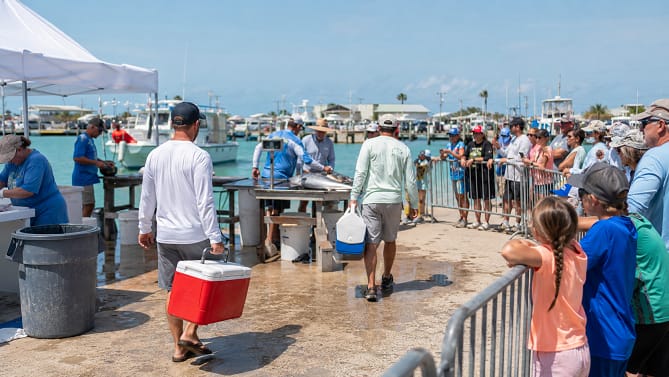
Roberts Point Park is especially important because weigh-ins are where fishing becomes public sport. Families, spectators, junior anglers, locals, and visitors can see the scale of the event. The stories of the day move from boats to the crowd. A fish that was caught offshore becomes part of the town’s shared weekend.
The Civic Center side matters too. Registration, meals, auctions, raffles, and tournament gatherings give the event a civic rhythm. A fishing tournament becomes a community event when it creates reasons for people to gather beyond the boats.
That is one reason older tournaments survive. They do not rely only on leaderboard drama. They build traditions around check-in tables, volunteer crews, family meals, awards, raffle tickets, dock conversations, and junior anglers watching older competitors.
Port Aransas understands that rhythm because it has lived with it for decades.
How Junior Anglers Keep The Roundup From Becoming A Museum Piece
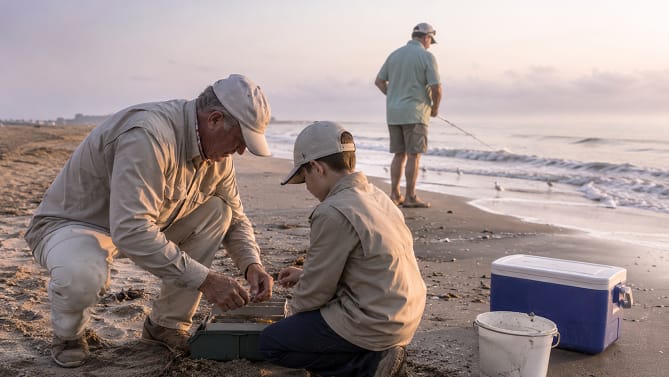
A 90-year-old tournament can become nostalgic if it does not keep young anglers involved. The Deep Sea Roundup avoids that problem by keeping junior participation built into the event. Junior awards in Bay-Surf and Offshore divisions show that youth anglers are not an afterthought.
That matters for the future of Texas offshore fishing. Big-water angling can feel intimidating to young people because of cost, distance, gear, and safety demands. A legacy tournament with junior categories gives younger anglers a visible entry point into the culture.
The Piggy Perch contest also matters because not every child starts with offshore gear or tournament experience. Small, accessible contests can create the first memory that later turns into serious fishing interest. A young angler who begins with pier or bay fishing may later move into offshore crews, kayak events, or tournament volunteering.
That youth connection is why the event fits naturally with recent Texas Sportsmen coverage of state park fishing programs and youth fishing pathways. The strongest fishing cultures do not wait until anglers are adults to invite them in. They create entry points early and keep them visible.
Why Release Divisions Show How Tradition Can Modernize
The Deep Sea Roundup’s Tarpon Release and Billfish Release divisions are important because they show how old tournament culture can adapt to modern conservation expectations. Historic Port Aransas fishing identity was built around tarpon, but today’s anglers understand that release ethics are part of the sport’s future.
Release divisions let prestige exist without requiring every prized fish to come to the scales. They also teach spectators that competitive fishing is not only about weight. It can be about documentation, skill, restraint, and respect for highly valued species.
That approach fits broader changes across Texas fishing. Catch-and-release data, reef fish reporting, redfish slot rules, and invasive-species prevention all show that anglers are being asked to think beyond the single catch. The Deep Sea Roundup’s release categories place that idea inside a legacy event.
That balance is not easy. Some tournaments modernize so aggressively that they lose their original character. Others cling so tightly to tradition that they feel outdated. The Roundup’s strength is that it can honor tarpon-era history while still making room for release-minded competition.
How The Roundup Supports Port Aransas Beyond Fishing
A tournament weekend affects more than anglers. Hotels, short-term rentals, restaurants, bait shops, marinas, fuel docks, charter operators, local nonprofits, volunteers, and waterfront businesses all benefit when a major event brings visitors to town.
Travel Texas describes the Deep Sea Roundup as an event sponsored by Port Aransas Boatmen Inc. that helps Port Aransas gain and maintain its identity as a world-class fishing community. That description captures the event’s civic value. Fishing is the anchor, but the impact spreads through the local economy and public identity.
The 90th edition also gives Port Aransas another reason to tell its story. Visitors may come for the beach, but the Roundup reminds them that the town is not only a vacation backdrop. It is a working fishing culture with deep roots.
That matters because coastal towns can lose their identity when tourism becomes too generic. A tournament like the Deep Sea Roundup keeps Port Aransas tied to boats, docks, anglers, conservation, and competition.
What Texas Anglers Should Watch In Future Roundups
The 90th edition is a milestone, but it should also make anglers think about what comes next. The future of the Deep Sea Roundup will depend on how well it continues balancing tradition with modern expectations.
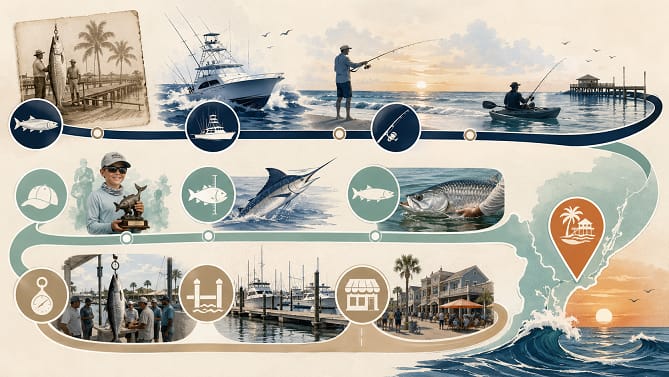
The first thing to watch is youth participation. Junior categories and family-friendly contests need to remain central. The second is conservation. Release divisions, fish handling, and rule clarity will become more important as anglers expect tournaments to protect the resource. The third is format flexibility. Kayak and flyfishing divisions show the event can adapt to changing angler interests.
The fourth is community infrastructure. Port Aransas needs weigh-in spaces, civic venues, marinas, volunteers, and tourism support to keep the Roundup strong. A tournament this old survives only when the town continues to value it.
For anglers, the larger lesson is clear. A fishing tournament becomes durable when it belongs to more than one group. The Deep Sea Roundup belongs to offshore crews, bay anglers, kids, women anglers, kayak anglers, fly anglers, spectators, boatmen, businesses, and local families.
That is why it still matters.
Why Port Aransas Still Anchors Texas Offshore Culture
The 90th Deep Sea Roundup shows that Port Aransas remains one of Texas’ clearest offshore fishing anchors because it connects history with participation. It carries the memory of tarpon-era sportfishing while still giving modern anglers multiple ways to compete. It brings offshore prestige into a community setting. It turns weigh-ins into public sport. It keeps junior anglers visible. It supports local identity.
In a Texas tournament calendar crowded with new events, that kind of longevity stands out. The Deep Sea Roundup has not survived because it is old. It has survived because Port Aransas keeps giving it a reason to matter.
For Texas anglers, the message is simple. Offshore fishing culture is not built only by boats that run far into the Gulf. It is built by towns that keep inviting anglers back, year after year, until a tournament becomes part of the coast’s memory.
Port Aransas has done that for 90 editions. That is why the Deep Sea Roundup still anchors the Texas offshore conversation.