
Canyon Lake fishing has become an infrastructure story as much as a casting story, with dam maintenance, changing water levels, access closures, algae controls, and park changes all affecting how anglers plan a day on the water. The key detail for readers is that the name Canyon Lake applies to separate fisheries in Arizona and Texas, and the recent access picture is different at each one. In Arizona, Salt River Project has confirmed a major drawdown beginning on September 16, 2026. In Texas, July flooding and later reopenings changed boat-ramp planning after weeks of difficult lake conditions.
How Canyon Lake Fishing Access Is Changing
Why The Arizona Drawdown Matters
The most direct infrastructure impact now facing anglers is at Canyon Lake in Arizona. Salt River Project says it will begin lowering the lake on September 16, 2026, by about 54 feet for inspections and maintenance at Mormon Flat and Horse Mesa dams, along with work on downstream river channels. SRP describes the effort as a roughly 16-week project and says boat ramps and access points will be closed during the drawdown, with Canyon Lake Marina relocating slips and boats as part of the work SRP project details.
For anglers, that changes the sport side immediately. A 54-foot drop is not a normal low-water adjustment. It removes the standard launch plan, exposes shoreline structure, and changes how much of the lake can be safely reached. The official closure of boat ramps and access points means boat anglers need to treat the lake as unavailable for standard launching once the project begins. Shoreline anglers also need to respect closures, because exposed banks, construction access, and changing water edges can create unsafe conditions.
Canyon Lake Fishing During The Drawdown
Canyon Lake fishing during the drawdown will not resemble a normal fall pattern. Bass anglers usually think in terms of points, rock, shade, bait movement, and water temperature, but infrastructure will be the first filter. If access is closed, the best fishing analysis is not which crankbait or jig fits the water. It is whether an angler can legally and safely reach fish at all.
The exposed habitat may be useful information once water returns. Anglers who document old brush lines, rock transitions, points, cuts, and channel edges from legal public viewing areas may learn how the lake is built under the surface. That can help later, but it should not be confused with access permission during the project. The confirmed fact is closure of boat ramps and access points during the SRP work window.
Fish Protection Work Adds Another Layer
The Golden Algae Pilot Project
Arizona’s Canyon Lake also had a fish-protection project begin before the drawdown schedule. On February 26, 2026, the Arizona Game & Fish Department announced a pilot project in Boulder Cove using three solar-powered SonicPure units anchored to the lakebed. The department said the units use ultrasonic waves to reduce golden algae density with the goal of helping prevent fish kills Arizona Game & Fish announcement.
That matters to anglers because fish kills can change a lake’s competitive and recreational value. Bass fishing is built on repeatable habitat, forage, and survivable water conditions. A project aimed at reducing golden algae density is not a tournament result, and it is not a catch guarantee. It is a management step directed at protecting fish. As of the official February 26 announcement, the project was described as a pilot study, so any claim about long-term success would go beyond the confirmed record.
What Anglers Can Read From The Management Approach
The pairing of algae-control work and dam maintenance shows how infrastructure and fisheries management can overlap. One effort addresses water project needs and dam operations. The other addresses a biological threat to fish. Both affect anglers, even though neither is a fishing tournament, stocking announcement, or new access amenity.
For the local fishing community, the practical response is patience and clear planning. Anglers should separate confirmed access information from dock talk. The confirmed Arizona facts are the February 26 pilot project in Boulder Cove and the September 16 drawdown start tied to SRP dam inspection and maintenance work. The results of those efforts should be judged from future official updates, not guesses made before the work is complete.
Texas Access Changes After July Flooding
Boat Ramps Became A Safety Issue
Canyon Lake in Texas faced a different infrastructure challenge after heavy July rains. The research notes say that on July 17, 2026, the Texas lake rose to 81.3 percent capacity and all nine county-maintained boat ramps were closed while officials assessed high-water safety. The same notes say swimming and kayaking were discouraged during that assessment period.
By August 4, 2026, the research notes say heavy rains had raised the lake about 24 feet over a few days and restored it to full conservation pool near 909 feet elevation. They also report that many ramps reopened, roughly half of 23 ramps, while islands submerged and beaches at parks such as Comal Park, Pirate Creek Park, and Canyon Park reopened. For anglers, that sequence shows how fast access can swing from drought-style limitations to high-water caution and then into partial reopening.
Texas Sportsmen covered the related safety angle after access returned, noting how reopened ramps can bring new hazards when flooding has moved debris and changed lake conditions in the Hill Country. That local-access lesson fits this topic because boat ramp status is only one piece of a safe fishing plan; readers can compare the issue in our report on Canyon Lake reopened boat ramps.
Why High Water Changes The Fishing Plan
High water can create good-looking shoreline cover, but it can also hide hazards. Anglers may find newly flooded brush, deeper bank edges, or changed points, yet they also have to account for floating debris, submerged obstacles, and crowded ramps once access returns. That is especially true for bass anglers trying to run patterns across multiple coves after a flood.
The sports lesson is simple: access and safety shape fishing pressure. If fewer ramps are open, boats concentrate. If the lake rises quickly, fish may spread into new cover while anglers are still trying to learn changed water. If beaches and parks reopen, shoreline and recreation traffic can increase near areas that also attract anglers. A good plan after flooding starts with ramp status, lake level context, and a slower first run.
Park And Shoreline Infrastructure Still Counts
Day-Use Changes Affect Fishing Rhythm
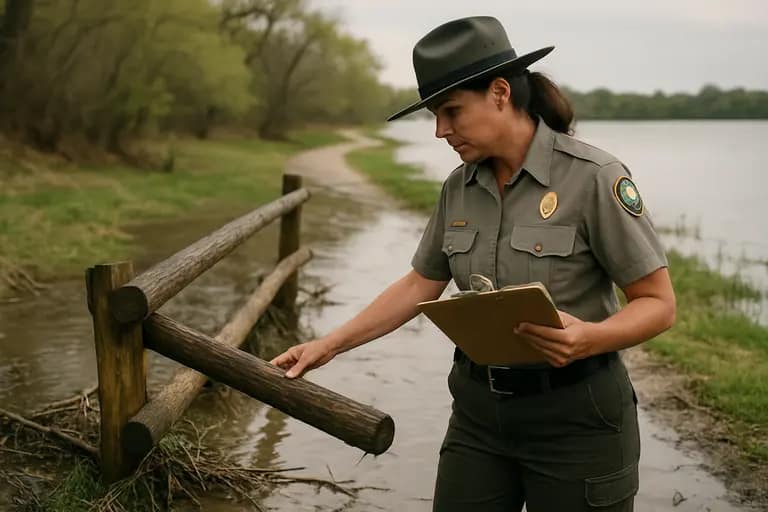
The research notes also identify a May 14, 2026, change at North Park on Texas Canyon Lake, where the area shifted from primitive camping to day-use only, open daily from 8 a.m. to sunset. Shoreline access, informal water access, and fishing remained available, while hazardous cliff areas were closed.
That kind of change may sound small compared with a dam project or flood closure, but it matters to anglers who build trips around early and late windows. Bass fishermen often value first light, evening shade, and quieter shoreline periods. A day-use schedule can compress fishing time and change how families plan bank-fishing trips, especially when camping is no longer part of the access model. It does not remove fishing, based on the research notes, but it changes the rhythm of use.
Community Planning Around Access
For local anglers, these changes are also community issues. A ramp closure affects guides, bait stops, weekend clubs, youth anglers, and families who fish from the bank. A day-use conversion affects how long people can stay. A drawdown affects marina operations and angler traffic. A fish-protection pilot project may affect confidence in the lake’s future health.
That is why clear public information matters. Anglers planning around infrastructure need official dates, access limits, and safety notices. Readers who track fishing, outdoor access, and local services across related community sites can find broader network resources at Efficient Directory.
What Bass Anglers Should Do With Confirmed Information
Build The Trip Around Access First
The best tackle box will not solve a closed ramp. Before any Canyon Lake trip, anglers should check whether they are dealing with the Arizona drawdown schedule or Texas post-flood access conditions. The two lakes share a name, but their infrastructure stories are separate. For Canyon Lake fishing in Arizona, the September 16, 2026, SRP drawdown is the dominant access fact. For Texas, July and August 2026 access changes were tied to flooding, ramp safety, and reopening conditions noted in the research.
Once access is confirmed, anglers can think like anglers again. On a lake recently affected by high water, bass may use newly flooded cover, but safe boat handling comes first. On a lake facing major drawdown, fishing plans may need to shift to alternate waters during closures. On any water with algae concerns, fish behavior and fish health reports deserve close attention from official agencies.
- Confirm which Canyon Lake is part of the trip plan: Arizona or Texas.
- Check ramp and access status before loading the boat.
- Expect crowding where only some ramps are open.
- Respect closed shoreline, cliff, marina, and work areas.
- Use official agency updates before relying on secondhand reports.
Keep The Community Piece In View
Fishing access is not just a personal convenience. It affects local clubs, youth outings, family bank-fishing days, marina workers, guides, and conservation volunteers. When infrastructure work blocks a ramp or changes shoreline access, the impact runs through the whole fishing community. That is why anglers can help by sharing confirmed notices, avoiding restricted areas, and giving extra room at ramps that remain open.
Canyon Lake fishing is at its best when access, safety, habitat, and community use line up. Recent developments show how quickly that balance can shift. Dam maintenance, algae controls, flood recovery, and park rules are not side notes. They decide where anglers can launch, how they can fish, and whether a trip is safe enough to make.
Why Canyon Lake Fishing Access Is The Main Story
The confirmed record points to one clear theme: infrastructure is setting the terms for Canyon Lake fishing. In Arizona, the September 16, 2026, drawdown will close normal launch and access points while SRP completes dam-related work. The February 26, 2026, golden algae pilot project adds a fish-health angle at Boulder Cove. In Texas, July flooding closed ramps, August reopening restored more recreation options, and park-use changes affected how shoreline anglers plan trips.
For anglers, the smart play is not to guess around closures or treat every report as equal. Use official dates, respect access limits, and adjust fishing plans to the water in front of you. The cast still matters, but at Canyon Lake right now, the first decision is whether the infrastructure allows anglers to reach the fish safely and legally.