
Local Fishing Events bring competition to the water, but their reach often extends to docks, bait shops, restaurants, volunteer tables, and family gathering spots. The sport comes first: anglers register, launch, weigh fish, compare tactics, and measure their day against the field. Around that structure, host towns gain a shared calendar point that can support local business, public awareness, and stronger ties between people who may only meet because fishing gives them a reason to gather.
Why Local Fishing Events Matter To Host Towns
The Sports Core Of Local Fishing Events
A successful fishing event starts with credible competition. Anglers need clear rules, dependable launch access, a safe weigh-in process, and enough organization to keep the focus on performance. That sports framework is what separates a tournament or fishing rodeo from a casual weekend on the water. It gives participants a scoreboard, a deadline, and a public moment where the day’s catch becomes part of a community story.
That is why Local Fishing Events are useful civic gathering points. The competition creates a schedule, and the schedule gives families, sponsors, volunteers, and local businesses a reason to participate. A weigh-in can become a teaching moment for young anglers. A registration table can connect newcomers with experienced boaters. A marina or ramp can become a temporary meeting place where fishing knowledge moves from one generation to another.
Recent research on 399 coastal communities on the U.S. West Coast created engagement and reliance measures for recreational fishing. The study found that communities with higher engagement tended to be less socially vulnerable, while reliance was higher in more vulnerable places. The same research found that those indices remained stable during COVID-19 even as participation dropped. That finding is useful for event organizers because it shows that fishing ties can remain part of a community’s identity even when participation shifts.
Economic Signals From Tournament Fishing
Hawaii Pelagic Events And Travel Spending
The local value of fishing events can be seen most clearly when anglers travel, book lodging, buy fuel, replace gear, pay entry fees, and spend time in town before and after competition. In Hawaii, pelagic fishing tournaments in 2018 were identified as sources of significant local economic contribution, with participant spending tied to travel, lodging, gear, tournament costs, tourism, and recreation businesses, according to the NOAA repository.
That kind of spending matters because it spreads beyond the weigh station. A tournament weekend can touch fuel docks, restaurants, grocery stores, tackle counters, hotels, boat service shops, and waterfront staff. The exact effect depends on event size, location, and visitor travel patterns, but the sports event is the driver. Without the anglers and the competition schedule, that spending may not concentrate in the same place at the same time.
Lake Guntersville Tournament Scale
Lake Guntersville, Alabama, offers another clear case from tournament bass fishing. During 2013, research found about 272 black-bass tournaments involving about 10,035 anglers, with total annual tournament-related expenditures around $4.6 million and an estimated local economic impact of $6.7 million when multipliers were included, according to the Auburn University study.
Those figures show how repeated fishing competition can become part of a town’s sports calendar. One event may fill a weekend. A series of events can shape staffing decisions, marina activity, and sponsor interest across months. For a host community, the question is not only who won. It is how well the event moved anglers through ramps, supported safe access, and gave nearby businesses a fair chance to serve the crowd.
Texas readers can see the same theme in broader coverage of how fishing tournaments support local economies, especially through lodging, fuel, food, retail, and marina activity. The consistent lesson is that tournament fishing has a measurable sports-business side when organizers, anglers, and host towns are aligned.
Community Bonds Beyond The Weigh-In
The Social Side Of Local Fishing Events
The weigh-in is the public finish, but the community work often happens around it. Families gather near the scales. Volunteers check fish, direct parking, and help youth participants understand the process. Experienced anglers talk about water color, bait movement, tide timing, boat control, and fish handling. Those conversations are part of how a fishing community teaches itself.
A federal study of fishing for food in Carteret County, North Carolina, found non-economic benefits tied to sharing catch with family, friends, and neighbors. The research also pointed to cultural traditions, including fish fries and religious gatherings, along with recreation, mental health, productivity, and identity. Those findings fit what many anglers already see at community-based fishing events: the fish may be weighed by individuals, but the experience is shared by a much wider group.
Local Fishing Events can also help residents understand who uses the water and why access matters. A shoreline is not just scenery to an angler. A ramp is not just pavement. A cleaning station, parking area, dock light, and safe channel marker can affect whether families and competitors can take part. When an event makes those needs visible, it can create better public discussion about maintenance, safety, and shared responsibility.
Stewardship And Youth Participation
Shared Water Creates Shared Responsibility
Fishing events can also connect sport with stewardship without taking attention away from the competition. Anglers care about habitat because habitat affects the field of play. Grass beds, nursery areas, oyster reefs, river flow, water clarity, and coastal access all influence how fish move and how tournaments are conducted.
A Southwest Florida case study published in April 2026 described recreational fishing as deeply tied to the local economy and environmental stewardship. Through collaborative planning with government and fishing communities, gaps in habitat conservation involving snook and tarpon nursery areas were addressed. The study also found that trust, knowledge sharing, and local agency engagement improved through that process.
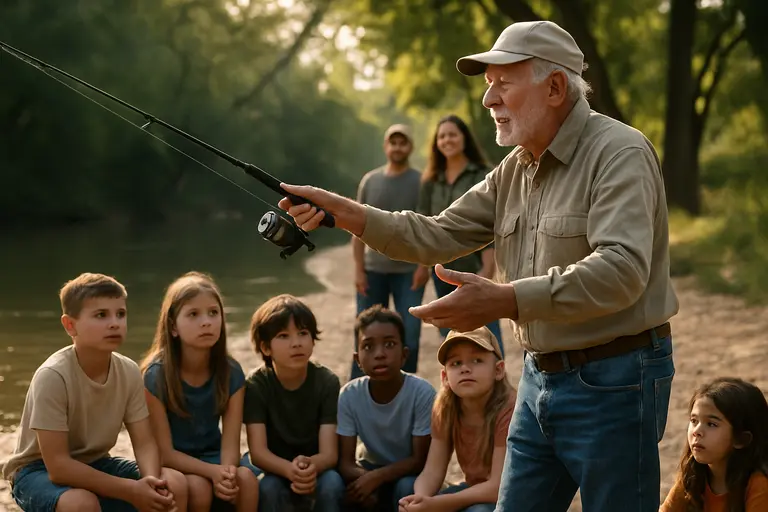
Youth participation adds another layer. Young anglers learn casting, measuring, release care, boat safety, and respect for rules by being around organized events. They also learn how adults handle competition: how winners are recognized, how close finishes are accepted, and how fish are treated after the catch. That is sports culture at the local level.
- Clear rules help young anglers understand fair competition.
- Public weigh-ins give families a way to share the event.
- Volunteer roles let non-anglers contribute to the fishing calendar.
- Habitat talks connect better fishing with better water care.
Coverage across community-focused sites, including Ambikapur City, shows how local reporting can keep civic attention on events that bring people together. For fishing towns, that attention helps organizers explain why a tournament is not just a date on the calendar, but a shared use of public water, local labor, and community pride.
Community Engagement At Local Fishing Events
What Organizers Can Measure After The Event
Community engagement should be judged by more than crowd size. Event organizers can review entries, volunteer turnout, launch flow, weigh-in attendance, youth participation, sponsor retention, conservation messaging, and feedback from nearby businesses. None of those measures replaces the leaderboard, but each one helps explain whether the tournament served the host town as well as the anglers.
Research from regional New South Wales in Australia found that two spearfishing competitions held in 2021 kept an estimated 60 to 71 percent of total financial impact local through spending such as lodging and food. Research from Waterville in County Kerry, Ireland, found that recreational angling tourism contributed a modest but measurable amount per trip and per angler-day to the local economy. Those examples differ by country, species, and event format, yet they point to the same practical idea: fishing participation can strengthen place-based ties when spending, identity, and access stay connected.
Local Fishing Events are strongest when the sport stays at the center and the community is invited into the process. Anglers need fair competition. Families need welcoming gathering points. Businesses need enough notice to prepare. Public agencies need clear communication about access and safety. When those pieces line up, a fishing event can produce more than a winner’s photo. It can build bonds that last well after the final fish is weighed.