
The Texas fishing license process changed for adult anglers in 2026, and the impact is practical more than complicated: bring the right ID, know whether you must buy in person, and do not wait until a tournament morning or family trip check-in to sort it out. Texas Parks & Wildlife Department rules adopted on March 26, 2026, took effect on August 3, 2026, and they added identity and residency checks for many recreational license purchases, according to TPWD’s license ID FAQ. For bass anglers, bank fishermen, kayak crews, club captains, and youth-event volunteers, the rule change is now part of trip planning.
Texas fishing license Requirements Took Effect
Texas fishing license ID Check
The biggest practical change is the in-person identity step for buyers age 17 or older. The research states that anyone in that age group must be physically present and show valid identification when purchasing a recreational fishing or hunting license. For a Texas fishing license buyer, that means a parent, spouse, boat partner, or club teammate cannot simply handle the purchase without the angler present if the purchase falls under the affected rules.
TPWD’s update also points anglers toward REAL ID-compliant documents. An unexpired REAL ID from any U.S. state or territory is listed as valid identification. Temporary or limited-term driver’s licenses or personal ID certificates are not acceptable by themselves under the research notes, so buyers using those documents need added paperwork. That detail matters for college anglers, new Texas residents, military families, and visitors who may be buying close to a trip date.
Residency Proof Changes
Residency status now carries more weight at the purchase counter. Nonresidents face stronger identity and documentation requirements depending on their state of residence, and the research notes that REAL ID-compliant documents or added proof may be required. Foreign-country residents also have specific documentation requirements, including a valid unexpired U.S. passport plus a permanent resident card or valid immigration visa if required by country. The research states those foreign-country resident purchases must be made in person rather than online.
That does not change the way anglers read water, select baits, or launch before daylight, but it can change the rhythm of a trip. If a nonresident co-angler arrives late for a bass event and still needs a license, the in-person documentation step can become a real scheduling issue. The safe move is simple: confirm the purchase path before leaving for the lake.
Dates Anglers Should Have Marked
License Year Timing
Licenses for the 2026-27 hunting and fishing season went on sale on August 15, 2026, and most expire on August 31, 2027, according to a TPWD license notice. Because today is October 28, 2026, those sale dates have already passed, and anglers planning fall bass trips, winter power-plant lake days, or coastal weekends should be working under the active 2026-27 framework.
The transition period also matters. The research states that licenses valid from August 3, 2026, onward had to meet the updated identity and residency requirements. Prior license-year products generally reached their usual August 31 expiration after that transition window. Anglers who renewed early for the 2026-27 year should keep proof of purchase ready in the field, whether digital or physical, based on the type of license and activity.
What Products Are Affected
The updated rules apply to most recreational hunting and fishing licenses, including combination packages and freshwater or saltwater endorsements. That means freshwater bass anglers, saltwater wade fishermen, and mixed-bag anglers using combo packages all need to understand the same basic purchase requirements.
There are exclusions. Youth licenses for those under 17 are exempt from the adult ID rule. The research also states that youth under 17, residents and nonresidents, do not need a fishing license to fish public waters. Lifetime licenses and tags already purchased before the rule change are also excluded under the research notes. Texas residents born before January 1, 1931, are listed as exempt, and certain disability or intellectual disability exemptions may apply with documentation under the conditions described by TPWD.
Community Planning For Clubs And Events
Check-In Lines And Youth Clinics
Fishing is a sport of timing. A morning bite can disappear fast, and a late paperwork issue can cost more than comfort; it can cost a team its launch window. Local bass clubs, school fishing teams, church groups, park programs, and family fishing events should treat licensing reminders as part of event operations.
For adult participants, organizers can remind anglers to purchase early, bring valid ID, and confirm residency documents before event day. For youth clinics, the under-17 exemption is helpful, but adults fishing alongside children may still need a valid license. That distinction matters at community ponds, state park outings, and neighborhood fishing days where families may include licensed adults and exempt youth on the same bank.
Texas Sportsmen has also covered the rule shift in a focused ID explainer, and anglers who want a narrower look at document checks can read this related update on Texas license ID rules. For those interested in comparing gear lists and trip notes, My All Time Best can be a helpful resource alongside local rule checks.
Why License Revenue Matters
License sales are not just paperwork. TPWD says it issues more than 3 million hunting and fishing licenses annually, and the research notes that license sales help fund habitat restoration, fish stocking, public river access, law enforcement, and related outdoor work. That connection is easy to overlook at the checkout counter, but it matters to anglers who use stocked lakes, improved access points, and public waters that receive management attention.
For bass anglers in particular, access and fishery work show up in practical ways: ramps that remain usable, shorelines where families can fish, and stocked waters that help introduce new anglers to the sport. The license purchase is part of that system.
Digital Licenses And Paper Backup
Where Digital Helps
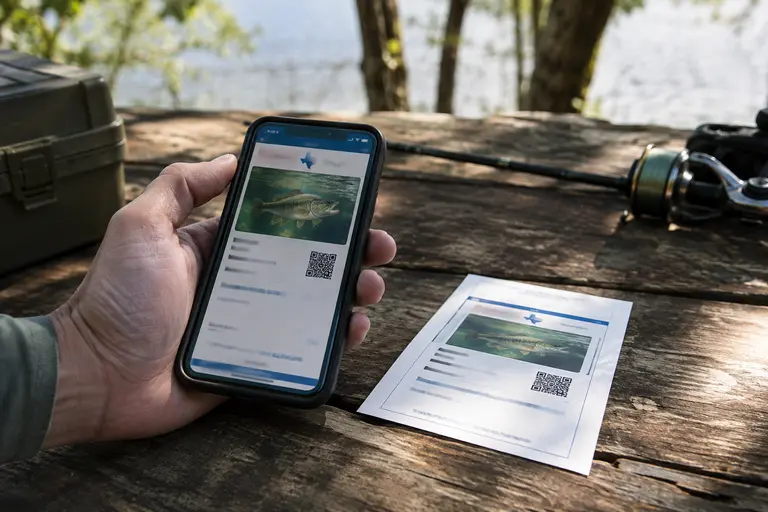
Digital licenses are now an option for many license types through online purchase. That can help anglers who plan ahead, especially those who keep documents on a phone and want fewer items in a tackle bag. For routine fishing trips where the selected license type allows digital carry, that option can reduce the chance of leaving a paper document on the kitchen counter.
Still, digital convenience does not erase purchase rules. If an angler falls into a group that must buy in person because of residency or document status, the online path may not be available. The key is to separate two questions: how the license can be purchased, and how proof of the license can be carried in the field.
Where Tags Change The Plan
The research notes that for activities requiring tags, anglers and hunters must carry physical licenses unless a digital license specifically authorizes electronic tagging. That warning is worth keeping in the same mental folder as boat keys, drain plugs, and life jackets. If a trip includes any tag-required activity, do not assume a phone screen is enough unless the license itself allows it.
License fees are also non-refundable and non-transferable under the research notes. That makes accuracy at purchase time more than a minor detail. Check name, residency, endorsements, and license type before paying. A wrong selection can be hard to unwind after the transaction is complete.
Field Tips Before Your Next Trip
Before You Leave Home
The cleanest way to handle the updated rules is to move license planning earlier in the week. That is especially true for anglers traveling from out of state, fishing with guests, or helping a first-time adult angler get legal before a community event.
- Confirm whether every angler age 17 or older already has the right license and endorsements.
- Bring valid, unexpired identification that matches the purchase requirement.
- Do not rely on temporary or limited-term ID alone if the rules call for added documentation.
- For nonresident or foreign-country resident buyers, plan for an in-person purchase if required.
- Check whether a digital license is enough for the activity, or whether physical documents are needed.
At The Ramp, Bank, Or Tournament Table
Once the trip starts, the license check should be boring. That is the goal. Tournament directors and club volunteers do not need extra drama while flights are being called or kids are being fitted with loaner rods. A simple pre-event message with the ID requirement, age rule, and purchase deadline can save time for everyone.
For individual anglers, the same thinking applies. If you are chasing a fall bass bite after work, you do not want to lose the best light dealing with a license issue. Handle the paperwork before the rods are rigged.
What Texas fishing license Rules Mean For Anglers
The Texas fishing license update is not a change in how to fish; it is a change in how anglers prove who they are and, in some cases, where they live when they buy. Since the rules took effect on August 3, 2026, and 2026-27 licenses went on sale on August 15, 2026, the practical path is clear for October 2026 and beyond: buy early, bring valid ID, understand residency requirements, and keep the right proof with you on the water.
For Texas fishing communities, the best response is shared preparation. Clubs can remind members. Parents can help new adult anglers avoid last-minute mistakes. Event volunteers can build licensing notes into registration messages. Anglers can protect their own fishing time by treating licensing like any other essential piece of gear. The fish will not wait at the ramp, and now the paperwork deserves a spot on the pre-trip checklist.