
The Fishing Skills Clinic at Galveston Island State Park is scheduled for Saturday, October 24, 2026, from 9:00 a.m. to 12:00 p.m., giving new anglers a clear, hands-on entry point into coastal fishing. For families, youth anglers, and adults who have wanted to learn but did not know where to start, this clinic offers a practical morning built around gear safety, casting practice, and core fishing skills rather than pressure to catch fish right away.
Fishing Skills Clinic Schedule And Entry Details
The event is listed by Texas Parks and Wildlife Department for Saturday, October 24, 2026, at Galveston Island State Park, with the program running from 9:00 a.m. until noon. Park entry is listed at $5 for adults, children 12 and under are free, and Texas State Parks Pass holders may skip park entry fees, according to the Texas Parks and Wildlife event listing.
What Beginners Should Know Before The Fishing Skills Clinic
Because the Fishing Skills Clinic is set up for beginners, the best mindset is simple: show up ready to learn the rhythm of fishing before chasing a full stringer. Angling is a sport of small habits. How a hook is tied, how a cast is controlled, how line is handled around other people, and how bait is presented all shape the day before a fish ever bites.
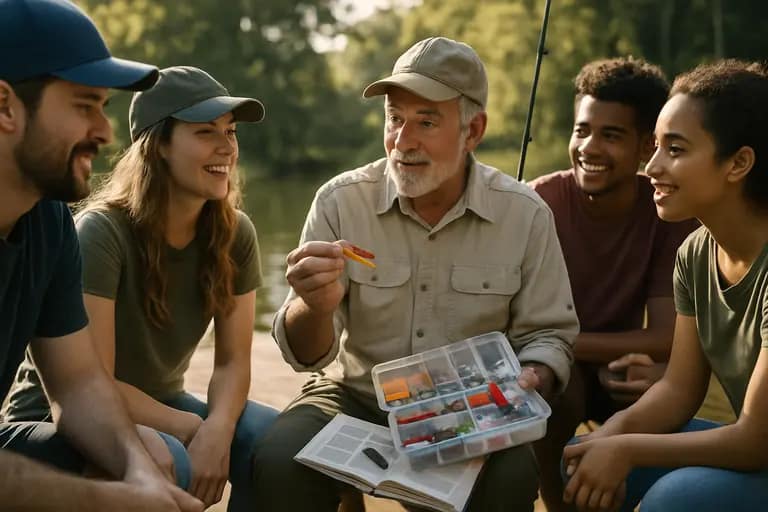
The clinic format matters because it breaks those habits into stations. The research notes identify lessons on rigging gear safely, practicing casting, and learning core fishing skills. That station-based model is especially helpful for younger anglers because it gives them a task, a short learning window, and a chance to try again without the frustration that can come with a first trip on a crowded pier or windy shoreline.
For readers who track youth and community sports calendars, this fits the same local participation lane as other fishing entry events around the state. We have covered similar planning needs in a beginner event planning piece, and the same lesson applies here: the first win is confidence with the basics.
Gear, Clothing, And Park-Day Prep
Good preparation keeps a beginner clinic focused on learning. TPWD’s event notes recommend sunscreen, bug spray, a water bottle, weather-appropriate clothing, and comfortable shoes. A folding chair is optional, but it can help parents, grandparents, or anyone who wants a quick rest between stations.
Galveston weather can make a short session feel longer than it looks on paper. A three-hour clinic means standing, watching, walking, asking questions, and practicing. Comfortable shoes are not a small detail. Neither is water. Hydration and sun protection keep new anglers engaged long enough to learn the mechanics that matter.
Family Planning Around The Park Setting
Children 12 and under attend free, which makes the clinic a low-barrier option for families. That matters in a sport where early costs can feel confusing. Rods, reels, tackle, bait, licenses, and access points can overwhelm a new family before the first cast. A park-based teaching event narrows the focus to basic skills and safe participation.
Parents should treat the morning like a youth sports practice. Arrive with enough time to park, get children settled, and keep the mood relaxed. If a child gets tired or distracted, that is not failure. Short positive reps with a fishing rod can do more for long-term interest than a forced marathon session.
For broader sports event coverage across the network, Sports Wire News stays engaged with community-first events: highlighting their importance as they introduce people to various sports, whether played on fields, courts, or near the water.
How The Fishing Skills Clinic Builds Real Angling Skills
The best beginner instruction does not start with advanced tackle talk. It starts with safety and repeatable movement. The Fishing Skills Clinic is built around that idea through rigging, casting, and core skill stations. Those are not side lessons. They are the foundation for nearly every saltwater trip around Galveston.
Fishing Skills Clinic Lessons That Translate To The Water
Rigging gear safely teaches anglers how to manage hooks, line, knots, and terminal tackle around other people. That is especially important at public access points where anglers may be close together. Casting practice teaches distance, control, and awareness. A beginner who learns to cast with control is safer, less frustrated, and more likely to keep fishing.
Core fishing skills also help beginners understand why a bait or lure is placed in a certain zone. Fishing is not random casting. Even for a new angler, success often comes from noticing current, depth, structure, bait movement, and safe footing. The clinic is not listed as a tournament or a competition, so the value is not a leaderboard. The value is a better first step into the sport.
As an angler, I like this kind of event because it respects how people actually learn. You cannot hand a beginner a rod, point at open water, and expect the sport to make sense. A clinic gives new anglers a controlled space to ask basic questions without feeling out of place.
Galveston Species And Rules For New Anglers
Galveston gives beginners a wide set of realistic targets. Visit Galveston lists red drum, spotted seatrout, black drum, and flounder among key species around local bays, inlets, piers, and shorelines on its Galveston fishing page. For a new angler, those names are worth learning early because they shape tackle choice, bait choice, seasons, and harvest rules.
The license piece deserves careful attention. In Galveston and across Texas saltwater areas, anglers generally need a current fishing license and a saltwater fishing endorsement unless they are fishing from shore inside the boundaries of a state park. Since this clinic is at Galveston Island State Park, families should still ask event staff how the day’s instruction is being handled and what rules apply if they fish beyond the clinic setting.
Harvest rules also matter. The research notes list black drum with a daily bag limit of five fish, a 14-inch minimum, and a 30-inch maximum, with one black drum larger than 52 inches allowed per person per day. Red drum are listed at three fish per day per angler, with a 20-inch minimum and 28-inch maximum. Spotted seatrout rules in effect since March 26, 2024, list a daily bag of three per angler, a 15- to 20-inch slot, and one trout over 28 inches per license year under a special tag.
Those numbers are not trivia. They are part of being a responsible sportsman. Beginners should learn early that measuring fish, knowing species, and respecting limits are as much a part of the sport as casting. A good day on the water is not only about catching. It is about doing the right thing with the fishery shared by the whole community.
- Bring sun protection, water, bug spray, comfortable shoes, and clothing suited for the weather.
- Use the clinic stations to ask about knots, hook safety, casting angles, and beginner-friendly bait choices.
- Review license and harvest rules before keeping any fish outside the clinic setting.
- Help young anglers focus on safe casts and steady improvement rather than a catch count.
Why The Galveston Island Fishing Skills Clinic Matters
The Fishing Skills Clinic matters because it turns fishing from something intimidating into something approachable. Galveston has the water, the shore access, and the species variety to hook a beginner for life, but access alone does not teach a person how to cast, rig, identify fish, or respect regulations. Instruction fills that gap.
For the local fishing community, clinics like this help build better anglers from the start. A beginner who learns safe gear handling is a better neighbor on the pier. A young angler who learns species rules is more likely to protect the resource. A parent who learns what to bring is more likely to plan another trip instead of treating fishing as a one-time experiment.
On October 24, 2026, the scoreboard will not be measured in pounds or inches. It will be measured in first casts, better knots, safer habits, and families feeling like they belong near the water. That is a worthy win for Galveston anglers.