
Texas Fishing Access is getting a timely push through the Texas Parks and Wildlife Department’s Habitat and Angler Access Program, better known as HAAP. As of October 10, 2026, the current proposal window remains open, which means eligible public and nonprofit partners still have time to seek support for projects that improve freshwater habitat and shoreline-based fishing opportunities across Texas.
Why Texas Fishing Access Matters For Anglers
Texas Fishing Access Priorities In HAAP
HAAP is built around a practical fishing goal: restore and enhance freshwater fish habitat while improving bank- and shoreline-based angler access on public creeks, rivers, ponds, and lakes. TPWD describes the program as a cooperative effort among Inland Fisheries biologists and eligible partners, with work focused on freshwater places where anglers can actually reach the water from shore, wade, or launch small craft TPWD’s HAAP program.
That matters in a state where many anglers do not fish from a bass boat every weekend. A good bank, a safe trail to the water, a kayak launch, or a fishing pier can decide whether a family fishes after work, whether a youth clinic has room to teach casting, and whether local bass clubs can bring new anglers into the sport before tournament fishing begins.
What The 2026 Proposal Window Means
The active HAAP proposal window opened at 5 p.m. on September 16, 2026, and runs through 11:59 p.m. on December 31, 2026. That gives eligible partners a defined period to frame projects around access, habitat, and public use. The eligible applicant list includes state and federal agencies, nonprofits, universities, river authorities, tribal organizations, and local governments. The research record says for-profit private entities are not eligible applicants.
The Texas Fishing Access question is not only about where fish live. It is also about who can reach them. HAAP gives local partners a channel to connect habitat work with the kinds of shore access that help anglers fish more often and with less friction.
How HAAP Connects Habitat To Better Fishing
Bank, Shoreline, Wade, And Kayak Focus
HAAP’s stated priorities place more weight on shoreline access than motorboat ramps. The program gives priority to projects located within 50 miles or about one hour of metropolitan areas with populations over 100,000, along with projects in streams or rivers tied to watershed protection plans or Native Fish Conservation Areas. That emphasis fits the everyday angler. Close-to-home fishing access can create more short trips, more after-school outings, and more entry points for people who are not yet tournament anglers.
- Bank access can help families and new anglers fish without owning a boat.
- Wade access can open moving-water fishing where conditions and safety allow.
- Kayak and canoe access can expand low-impact fishing on rivers, creeks, ponds, and lakes.
- Habitat projects can support fish cover, forage use, and better angling structure.
For bass anglers, that combination is the key. Access without habitat can leave anglers standing near poor water. Habitat without safe public entry can leave improved fishing out of reach. HAAP is aimed at joining those two pieces.
Why Bass Anglers Should Care
Bass fishing rewards pattern recognition, but public access shapes where those patterns can be tested. A shoreline with better cover, a park pond with improved structure, or a river reach with kayak access can become a teaching ground for seasonal movement, casting angles, lure control, and fish handling. Those are sports skills, not side notes.
Texas Sportsmen has tracked how HAAP funding can open more routes to freshwater bass opportunity, including in this related look at HAAP funding for bass access. For communities, the upside is not limited to catch rates. Better public access can make fishing events easier to host, give volunteers safer work sites, and give young anglers places to practice before joining school or club competition.
Community Partners And Project Timing
Who Can Apply
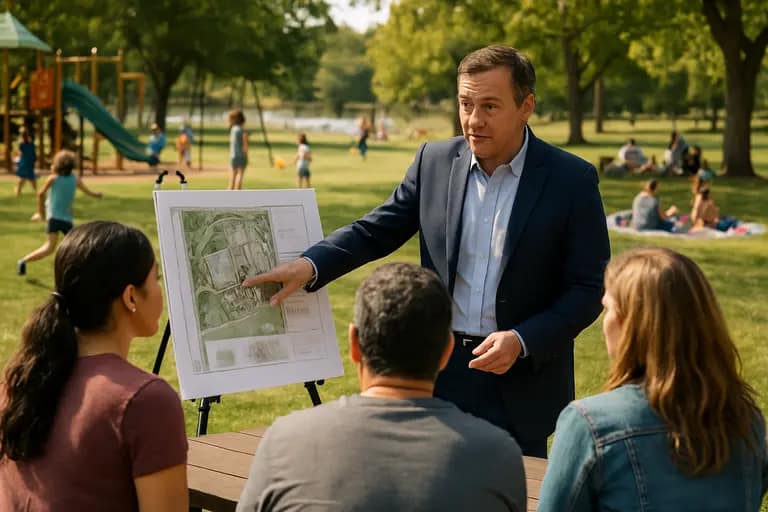
HAAP is not a solo-angler grant. It is a partner-driven program, which is why city park departments, river authorities, universities, nonprofits, tribal organizations, and government agencies matter. Those groups can bring site control, local knowledge, volunteer support, planning capacity, and long-term maintenance plans. Anglers still have a voice by sharing needs with eligible organizations, attending local meetings, and supporting projects that make sense for real use.
For Texas Fishing Access to work on the ground, proposals need more than a good idea. A project has to match public need with feasible design, habitat value, safety, and a clear path to completion. For readers interested in the broader implications of design and outdoor infrastructure, our network partner CAD/CAM Net provides insights into related build and planning themes from another perspective.
How Selected Projects Fit The Calendar
TPWD announced on October 1, 2025, that 11 projects had been selected to receive HAAP funding during the 2026-2027 cycle. The research record lists project types including multi-use fishing piers, habitat improvement, shoreline access, paddle access, and park habitat work. Named locations include Kirby Reservoir, Fort Phantom Hill, Lady Bird Lake, and Garner State Park. Those selected projects are expected to be completed by August 31, 2027.
That date matters for anglers planning future events. A club, school group, or family fishing organizer should avoid treating those improvements as available until a site is finished and officially open for use. The right way to read the calendar is simple: the selected work is part of a longer access push, while the current proposal window gives other eligible partners a chance to compete for the next round of support.
Funding Signals And Local Planning
License Dollars And Statewide Demand
HAAP is largely funded by freshwater fishing license sales, and the 2026-27 biennium target in the research record is about $500,000 in habitat and access investments statewide. TPWD’s 2026-27 legislative budget request also included $1.8 million plus associated staffing for HAAP to plan, design, and implement small- and large-scale access and habitat projects in streams and reservoirs across Texas.
The demand side is just as clear. The research record says Texas has about 6 million acres of public waterways supporting recreation for 2 million licensed anglers. It also reports about $9 billion in annual fishing expenditures, a $14 billion economic impact, and roughly 78,040 jobs tied to fishing activity in the state. Those figures explain why fishing access is not a niche park issue. It is part of the sports economy in many Texas communities.
Licenses, River Access, And Practical Use
Anglers should also keep the license calendar in mind. The research notes say the Texas fishing license year runs August to August, and 2026-27 licenses went on sale on August 15, 2026. Certain identity verification rules changed on that date to reduce residency fraud in license purchases. That is a separate issue from HAAP proposals, but it affects the same angling public that uses these access sites.
TPWD also manages Leased Public River Access Areas as part of broader access efforts. Those agreements allow public fishing and launching of small non-motorized boats such as kayaks and canoes across private lands. For river anglers, that kind of access can be the difference between reading about a fishery and legally reaching it.
Texas Fishing Access Takeaways For HAAP
Texas Fishing Access through HAAP is strongest when local partners think like anglers. A good project should ask where people can park, how they reach the water, what habitat supports fish nearby, whether the site can handle family use, and how it fits youth fishing, bank fishing, kayak fishing, and conservation goals.
As of October 10, 2026, the most immediate action belongs to eligible organizations because the HAAP proposal window remains open until December 31, 2026. Anglers can still help by pointing those organizations toward real access gaps: a pond with no safe shoreline, a river reach with no practical entry, a park lake that needs fish habitat, or a community fishing spot that could serve more people with better design.
That is the sports value of HAAP. Better access gives more Texans a place to learn, practice, compete, volunteer, and pass along fishing skills. If the projects are planned well and finished as scheduled, the payoff will be measured not only in structures built, but in more casts made from public water.