
When water temperatures dip into the 30s, bass behavior changes dramatically. Unlike the aggressive feeding patterns seen in warmer months, bass become lethargic, conserving energy to survive harsh conditions. Their metabolism slows, meaning they eat less frequently and are far less likely to chase fast-moving prey.
In these conditions, bass often position themselves in deeper, more stable water where temperatures fluctuate less. They may also gather near structure such as submerged timber, rock piles, or drop-offs that provide both shelter and easy access to food. Understanding this shift is essential for anglers who want to remain successful during winter.
Where to Find Bass in 30-Degree Water
Location becomes even more critical when fishing in extremely cold water. Bass are not randomly scattered; instead, they tend to group in areas that offer both comfort and feeding opportunities.
Look for deeper sections of lakes and reservoirs, especially those with gradual drop-offs. Points extending into deeper water can be particularly productive, as they allow bass to move vertically without expending too much energy. Additionally, areas near creek channels often hold fish because they serve as natural pathways.
In some cases, bass may suspend rather than hug the bottom. Using electronics such as fish finders can help identify their exact depth, saving time and increasing efficiency on the water.
Slowing Down: The Most Important Adjustment
The best tactics for cold water bass fishing are slowing everything down. In 30-degree water, a fast presentation will almost always be ignored. Bass are unlikely to chase, so your lure must stay in the strike zone as long as possible.
This means:
- Retrieving lures at a much slower pace than usual
- Pausing frequently to mimic an easy meal
- Allowing baits to sit motionless
Patience is key. Strikes may feel subtle, often just a slight tap or added weight. Being attentive can make the difference between a missed opportunity and landing a fish.
Best Lures for Cold Water Success
Choosing the right lure can significantly improve your chances in freezing conditions. In general, subtle presentations outperform aggressive ones.
Jigs are a top choice during winter months. When paired with a soft plastic trailer, they can mimic crawfish or other bottom-dwelling prey. Fished slowly along the bottom, they are highly effective in cold water.
Finesse worms and soft plastics rigged on drop shots or shaky heads also perform well. These setups allow for precise presentations and minimal movement, aligning perfectly with the behavior of cold-water bass.
The Role of Weather and Water Clarity
Winter fishing success is often influenced by subtle environmental changes. A slight increase in temperature—even by a few degrees—can make a noticeable difference in bass activity. Sunny days tend to warm shallow areas slightly, occasionally drawing fish closer to shore.
Water clarity also plays a role. In clear water, bass rely more on sight, so natural-colored lures are often more effective. In murkier conditions, using darker or slightly brighter colors can help your bait stand out.
Wind can be both a challenge and an opportunity. While it makes fishing more difficult, it can also push baitfish into certain areas, potentially attracting bass.
Gear Adjustments for Cold Conditions
Fishing in freezing temperatures requires some adjustments to your gear. Lighter line can improve lure action, especially when using finesse techniques. However, it’s important to balance sensitivity with strength to avoid losing fish.
Rods with a softer tip can help detect subtle bites and prevent pulling hooks during slow presentations. Reels should be properly maintained, as cold weather can affect performance.
Dressing appropriately is equally important. Staying warm and comfortable allows you to focus on fishing rather than the elements, increasing your overall effectiveness on the water.
Mental Approach: Patience and Persistence
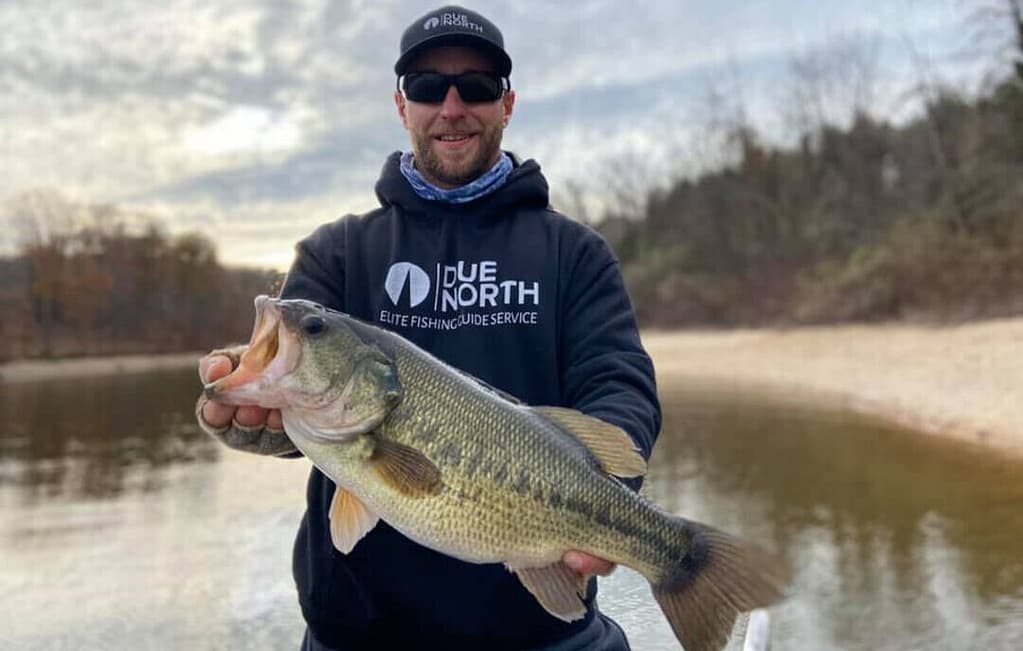
Cold water bass fishing is as much a mental challenge as it is a physical one. Success often comes slowly, and long periods without bites are common. Anglers who remain patient and stick to their strategy are more likely to be rewarded.
Confidence in your approach is crucial. Even if the action is slow, knowing that you are presenting your bait correctly in the right location can keep you motivated. Small adjustments, such as changing lure color or retrieve speed, can sometimes make a big difference.
Common Mistakes to Avoid
One of the biggest mistakes anglers make in cold water is fishing too quickly. Speeding up your presentation reduces the likelihood of attracting a bite. Another common error is failing to adapt to changing conditions, such as shifts in weather or water clarity.
Ignoring deeper water is another pitfall. While it may be tempting to fish familiar shallow areas, bass are often holding deeper during extreme cold. Taking the time to locate them can significantly improve results.
Final Thoughts: Turning Tough Conditions Into Opportunity
Fishing for bass in 30-degree water is undeniably challenging, but it also offers a unique opportunity. With fewer anglers on the water and less competition for fish, those who understand cold water tactics can experience rewarding success.
By focusing on location, slowing down your presentation, and choosing the right lures, you can increase your chances of landing bass even in the harshest conditions. While it requires patience and persistence, mastering cold water bass fishing can elevate your skills and make you a more versatile angler year-round.
In the end, the key lies in adapting to the environment. When temperatures drop and bass become less active, a thoughtful and deliberate approach can turn even the coldest days into productive fishing trips.