
Trying to navigate the competitive angling scene here is like deciphering a political primary schedule. Everybody’s got an event. The rules are a unique dialect of legalese.
Consider this your insider’s briefing. We’re not just listing dates. We’re analyzing the entire ecosystem.
On one side, you have the disciplined, scholastic cadence of organized trails. They march from September through April across lakes like Limestone, Whitney, and Belton.
On the other, there are the high-stakes spectacles. Think the Lake Conroe Big Bass Classic in late February. The prize purse looks more like a startup investment.
Then there’s the grind of the open draw qualifiers. Anglers chase points on the Belton-Stayhouse axis all season long, much like politicians chasing delegates.
This isn’t a simple list. It’s a map of competitive subcultures. We’ll break down what it really means to throw your hat in each ring.
How to use this calendar (filters: lake, month, division)
Looking at a long list of events without filters is like trying to understand a poll without knowing who’s voting. This Texas tournament schedule is your guide. It shines when you use three key filters.
It’s like mapping out a campaign for anglers. You wouldn’t run a national campaign without a local plan. The same goes for fishing tournaments.
First, filter by lake. This is your base. Are you good at Belton’s clear waters or Conroe’s stained ones? Knowing your lake is key.
Next, use the month filter. Seasons change like political winds. September on Lake Limestone is different from January on Belton. The month affects the competition.
The division filter is the most important. It helps you find your group. High school events are for new talent. Open events are for anyone. Big bass events are for the stars.
To sum up, each filter is like a part of your campaign plan:
| Filter | Your Political Analogy | Strategic Purpose |
|---|---|---|
| Lake | Home State / Base | Focus resources, leverage intimate knowledge, and dominate familiar territory. |
| Month | Election Cycle & Climate | Anticipate conditions, adapt tactics, and manage competitor (and fish) morale. |
| Division | Party Primary | Choose your competitive arena, align with rulesets, and target achievable victories. |
Use these filters one after another. Start with your lake. Then, pick your months. Lastly, choose your division. This turns a long list into a personal plan.
You’re not just looking at dates. You’re planning your campaign season.
Entry requirements: licenses, insurance, boat checks, captains’ meetings
Before you can out-fish the competition, you must first navigate the gauntlet of bureaucratic prerequisites. Think of it as the committee hearing before the floor vote. Your skill with a rod is irrelevant if your paperwork is lacking. This section isn’t about red tape; it’s the operating system for a fair and safe contest.
Ignore these protocols, and you’re the candidate who forgot to file for the ballot. Let’s break down the four pillars of pre-tournament legitimacy.
Registration: Your First Hurdle
Registration is your formal declaration of candidacy. It’s not merely submitting a fee. For organizations like the TBF, it’s proving your affiliation is current. For the student angler, it’s a triathlon of credentials: membership, a valid fishing license if you’re 17+, and the academic standing of a honor student.
Deadlines are the first test. Miss the Thursday cutoff, and you’ll face a late fee—a small but symbolic penalty for poor planning. The base entry is your campaign contribution. Pay it on time.
Permits: The Angler’s License to Operate
Your fishing license is your voter ID card on the water. It’s the non-negotiable permit that grants you the legal right to participate. Forgetting it is like showing up to a debate without your tie—you look unprepared, and they might not let you on stage.
This is critical for youth events. A minor must be accompanied by an adult with the proper permissions. The system is designed for accountability, not to create barriers.
Boat Checks: The Technical Inspection
This is the security pat-down of the fishing world. Officials aren’t just looking for extra rods; they’re conducting a full platform audit. Your vessel must meet minimum standards to ensure safety and fairness for all.
The checklist is rigorous. A 16-foot minimum length is common. Your live-well must be operational—fish care is a top-tier campaign issue. Your engine’s horsepower placard must be legible and accurate. No false promises here.
Safety gear is non-partisan. A Coast Guard-approved life jacket for every person? Mandatory. A functioning kill switch attached to the driver? Absolutely required. These aren’t suggestions; they are the constitutional amendments of tournament fishing.
| Requirement | Specifics | Deadline & Notes |
|---|---|---|
| TBF/SAF Membership | Mandatory for all participants | Must be current at time of registration |
| Fishing License | Required for anglers 17 years and older | Must be valid for state waters |
| Academic Standing | For student anglers: passing grades | Verified via school records |
| Base Registration Fee | $60 standard entry | Closes the Thursday before the event |
| Late Registration | Additional $10 fee | Applied after the official deadline |
| Mandatory Safety Gear | Coast Guard PFDs, kill switch | Checked at ramp; no exceptions |
| Boat Specifications | 16-ft minimum, working live-well, horsepower placard | Verified during pre-launch inspection |
| Captains’ Meeting | Mandatory attendance for at least one team member | Typically held the evening before tournament day |
Captains’ Meetings: The Mandatory Briefing
Consider the captains meeting your final debate prep. It’s part strategy session, part reading of the Miranda rights. Here, tournament directors drill the specific rules into you—launch order, off-limits areas, weigh-in procedures.
Miss this meeting, and you’re operating on outdated intelligence. You might not know about a last-minute boundary change or a special measurement rule. Attendance isn’t optional; it’s your last, best chance to ask clarifying questions before the polls open at dawn.
In the end, these entry requirements are the rule of law. They transform a random gathering of boats into a sanctioned competition. Master them, and you’ve already won your first victory.
Fees and payouts: options for team/individual, side pots, big bass
In tournament fishing, your entry fee is like your campaign finance. The payout table is the goal you aim to win. Each circuit has its own rules and rewards.
There are three main economic models. The high school trail focuses on education. The open draw is all about equal money sharing. The major reservoir event offers big, guaranteed prizes.
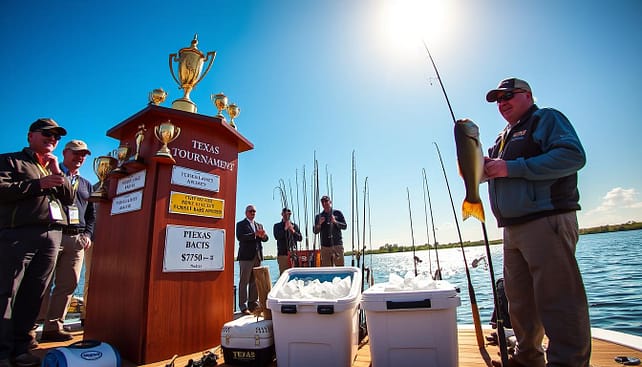
The scholastic model is like a long-term investment. A $60 entry fee can lead to scholarships and trophies. It’s a way to invest in your future.
The 100% payback trail is different. Your $80 entry, plus a $10 big bass side pot, goes into the prize pool. It’s like a direct democracy, where everyone’s dollar counts.
The major tournament is like a sovereign fund. A Three-Day entry costs $250. This money funds a guaranteed grand prize and hourly payouts.
Side pots and big bass bonuses add excitement. They’re like extra bets for a single, glorious moment. The big bass pot is a high-risk, high-reward bet for the biggest fish.
So, what’s your strategy? Are you building a long-term portfolio or seeking day-trading thrills? Your choice affects how you view the entry form and your optional bets.
Off-limits and boundaries: common rule sets to know
Navigating a bass tournament is more than just knowing the map. It’s about understanding the unspoken rules. This is like a small society with its own rules. Break them, and you’re out.
The off-limits period starts the day before the tournament at 11:59 PM. It’s like a political silence. You can’t do any last-minute research or get tips from others. It’s to see if you’ve done your homework.
When the tournament starts, new rules kick in. These are the boundaries. They’re about respecting each other’s space. If you’re too close to another boat, it’s a big deal. It’s like crossing a border without permission.
The common rule sets are fair for everyone. For example, you can only use artificial lures. This keeps things fair and prevents cheating. It’s about skill, not money.
So, why is this important? It’s not just about following rules. It’s about understanding the game’s philosophy. Knowing these rules lets you compete fairly. It’s about being smart, not just good at fishing.
Pre-fish strategy within rules: ethics and local etiquette
In tournament fishing, your pre-fish strategy is key. It’s guided by laws and unwritten rules. Mastering this phase is about more than finding fish. It’s about respecting the game’s ethics.
Do it right, and you’re seen as a smart strategist. Do it wrong, and you’re just another scandal.
The Written Code: Your Campaign Finance Laws
Tournament organizers set rules to ensure fair play. The fifteen-day rule on buying waypoints is like campaign finance reform. It stops big money from dominating the game.
This rule prevents only the rich from competing. The ban on “hole sitting” stops cheating. These rules are strict and enforceable.
The Unwritten Code: A Diplomat’s Etiquette
Your reputation is at stake here. Overfishing a spot is like political malpractice. It’s a self-inflicted scandal.
Crowding another angler is like heckling. The water remembers. Your future success depends on being polite.
Give others space. Communicate kindly. Leave the water as you found it. This is the soft power that builds alliances.
The New Frontier: Technological Ethics
Forward-facing sonar is like drone surveillance in fishing. Is it a game-changer, or an unfair advantage?
Different tournaments have different rules for it. Some allow it, while others, like Lake Conroe, have specific rules. Your strategy must include knowing these rules.
Using legal tools is smart. But understanding their ethics is wisdom. It’s the difference between being tech-savvy and tactless.
A winning strategy balances smart planning with restraint. Know the rules and respect the unwritten ones. Save your best for game day.
Travel planning: ramps, lodging, parking, weigh-in access
Think of tournament logistics like your political ground game. A bad route to the ramp can ruin your day. I’ve seen tournaments lost to parking lot gridlock and traffic jams, not just bad lures.
Your travel plan is key to success. It can make or break your tournament before you even start fishing.
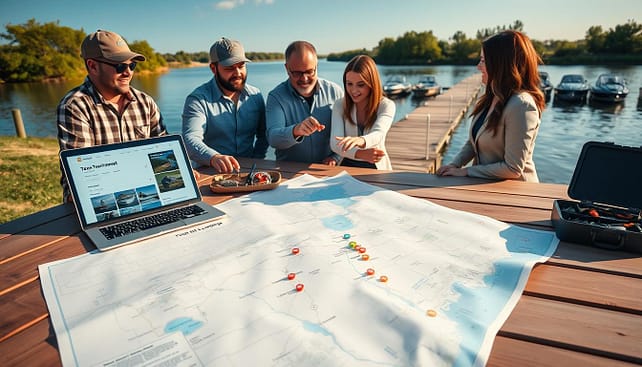
Your Launch Ramp & Parking: The Tactical Rally Point
The launch ramp is your starting point. It’s where your day begins under pressure. Make sure there’s enough parking for your truck and trailer.
Popular Texas ramps like Temple Lake Park on Belton or Twin Bridges Park in Waco can get crowded fast. This isn’t just a theory.
Know your specific rally point. Tournament briefings will tell you where to go. Common sites include:
- BRA Park #2 on Limestone
- Lofers Bend Park on Lake Whitney
- Stilhouse Hollow Marine
- Temple Lake Park on Belton
- Twin Bridges Park in Waco
Scout these spots before the tournament. Check the official TPWD news and releases for any last-minute changes. A good parking plan is your first advantage.
Lodging: Establishing Your Campaign Headquarters
Many anglers make a big mistake here. They save money by staying far away but lose sleep and gain stress. This is not worth it.
Your lodging is your base of operations. Stay close to the ramp to get more rest. This extra sleep is priceless when facing the sun and making tough decisions.
Being close to the ramp gives you control. You’re not a tourist; you’re a local with an advantage.
Weigh-In Access: The Final Maneuver
This is the final move that everyone must make. Is your weigh-in at a crowded park or a dedicated venue like Papa’s on the Lake in Montgomery? The difference is huge.
A cramped weigh-in affects everything. It impacts your boat exit, analysis with peers, and stress levels. A venue like Papa’s offers space, letting you focus on your catch.
Plan your exit as well as your entry. Where will you park during weigh-in? How will traffic flow after the awards? Ignoring this is like winning the campaign but losing on election night. The parking lot should not be chaotic.
Logistics are as important as lures in winning tournaments. Plan like a general, not a tourist. When the morning horn sounds, you’re leading an operation, not just fishing.
Volunteer/spectator roles and family-friendly add-ons
Imagine a sporting event where volunteers in sun hats make key calls. Kids cheer with their first fishing rods. This is the modern Texas bass tournament. It’s grown from a closed event to a community celebration with roles for all.
Spectators are both the press and the fans. They watch the drama and guess the angler’s secrets. Was that smile about a big bass or breakfast tacos? It’s all part of the fun.
Volunteers and observers keep the tournament fair. They check if rules are followed. In some cases, like high school events, observers are needed in the boat. This rule helps ensure fairness, even for those facing challenges.
Now, let’s talk about making events family-friendly. Tournaments like the Conroe Classic have become community festivals. They have a youth division for young anglers, with its own prizes and spotlight.
This isn’t just charity. It’s investing in the next generation of anglers. It turns a niche sport into a cultural event. Families can enjoy the day, not just sit in a hot car.
The captains meeting is now a family event. It’s not just about rules. It’s a time for everyone to come together. Volunteers help, spectators learn, and families enjoy the excitement.
The outcome? Tournaments are more than just winners. They’re about volunteers, spectators, and young anglers discovering their passion. It’s a win for everyone.
How to get alerts for new Texas events
In today’s world, waiting for a flyer at the bait shop is outdated. News spreads quickly, and you need to keep up. The pros use systems to stay informed.
Think of a text alert service as your personal news ticker. For the Conroe event, text “conroe” to 833-933-1717. You’ll get updates on start times, rule changes, and weather delays. It’s like having the AP Newswire for anglers.
Android users, be aware: some carriers might block alerts. If you stop getting them, try opting in again. It’s like re-registering to vote after moving.
Don’t just rely on texts. Follow tournament trails on their websites and social media. For local events, connect with bait shop insiders. They often know the latest news before it’s official.
Regularly check the registration portal. It’s like polling your base for activity. You’ll see when spots are filling up and when deadlines are near.
Staying informed is a mission. It helps you never miss important fishing events. Make your phone your most important tackle.
Conclusion
Think of this texas tournament schedule as your chessboard. Each date is a square. Every lake is a terrain. Your move.
We’ve navigated the complex world of licenses and boat checks. We’ve cracked the code of pre-fish ethics. We’ve outlined the journey from ramp to weigh-in. This isn’t just a list. It’s a detailed guide to a competitive world that values preparation.
Your final goal is the bottom line. Knowing the payouts is key. It shows what you’re really after.
So, you have the information. Now, it’s time to think strategically. Match dates with spawn cycles. Choose a lake that suits your style. Pick a division that matches your level of competition.
Look at this texas tournament schedule with a critical eye. Success depends on understanding its details, from entry fees to off-limits areas. The right event at the right time can change your season.
Now, the game is on. The pieces are in motion. Your journey starts with a single entry. Go make your mark on the leaderboard.