
In 2026, tournament fishing in Texas is no longer defined by a single weekend. Instead, a growing number of anglers are participating in long-format events that stretch across months, transforming how competition fits into everyday life on the coast.
At the center of this shift is the CCA Texas STAR Tournament—one of the largest and most influential fishing events in the country. Running from May 24 through September 2, 2026, the STAR Tournament spans more than 100 days and covers the entire Texas coastline, from Sabine Lake to South Padre Island.
This format doesn’t just extend the timeline—it expands access. Anglers who once couldn’t commit to fixed tournament weekends are now part of the competitive landscape, and that is fundamentally changing participation across Texas.
How The CCA STAR Tournament Redefined Participation
The STAR Tournament has quietly become one of the most inclusive competitive fishing platforms in the state. Organized by the Coastal Conservation Association Texas, the event combines conservation goals with large-scale participation incentives.
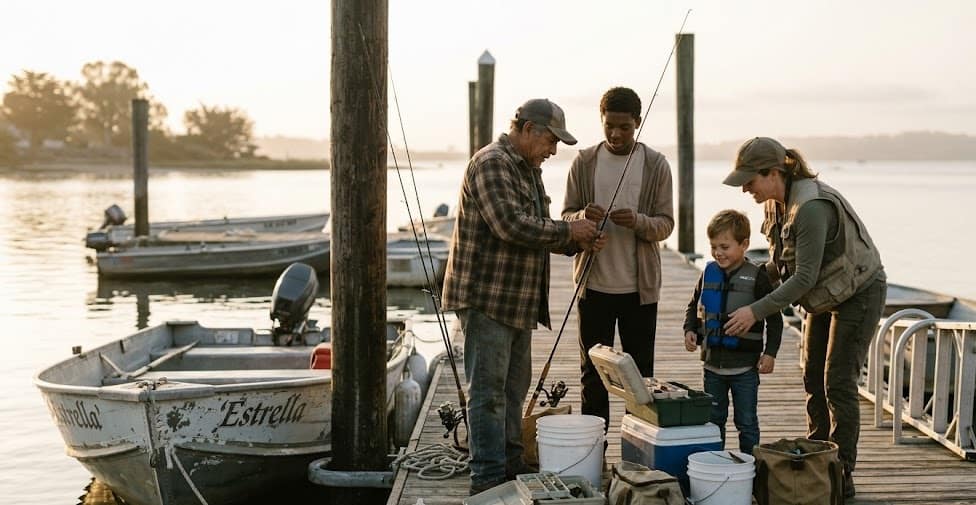
With over $2 million in prizes, including boats, trucks, scholarships, and gear, the tournament attracts a wide range of anglers—from seasoned competitors to families fishing together for the first time.
According to official details from CCA Texas STAR Tournament program, the format includes multiple divisions:
- Tagged redfish prize categories
- Youth and scholarship divisions
- Offshore and inshore species categories
What makes it unique is that anglers are not competing at the same time. Instead, they’re competing across an entire season—whenever conditions, schedules, and opportunity align.
Why Long-Format Tournaments Are Growing So Fast
The success of events like STAR reflects a broader trend: flexibility is becoming one of the most valuable features in tournament fishing.
Traditional tournaments require anglers to:
- Commit to specific dates
- Travel regardless of weather conditions
- Perform under limited time constraints
Long-format tournaments remove those barriers. They allow anglers to fish:
- On their own schedule
- In their preferred locations
- Under favorable conditions
This shift has opened the door to a new segment of participants—anglers who want to compete, but on terms that fit their lifestyle.
As a result, participation is expanding beyond the traditional tournament crowd into a much broader coastal audience.
A Different Kind Of Strategy On The Water
Fishing a two-day tournament is about precision. Fishing a 100-day tournament is about patience.
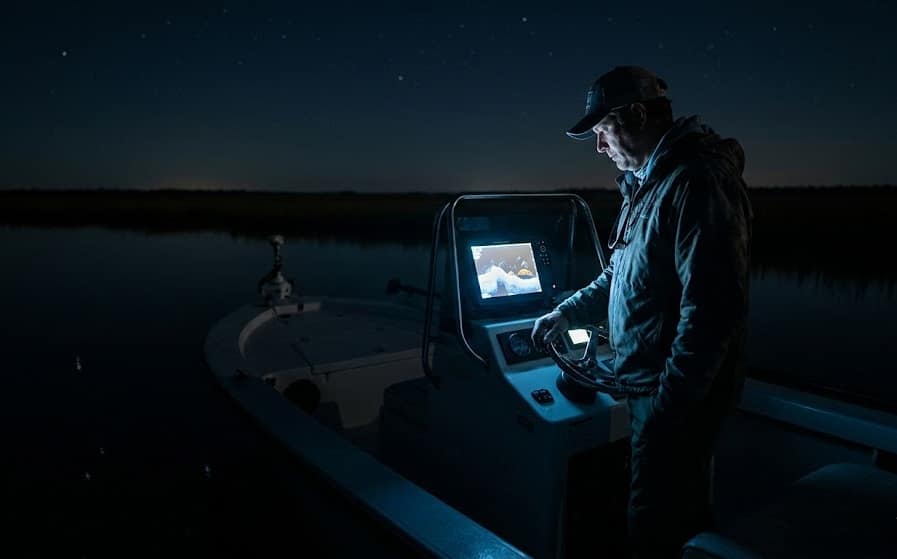
In long-format events, anglers are no longer trying to solve a pattern for a single weekend. Instead, they are managing a long window where environmental conditions constantly change.
That changes how anglers think.
Success often depends on:
- Being consistently on the water over time
- Recognizing seasonal movement patterns
- Capitalizing on rare opportunities, like encountering a tagged redfish
Rather than competing directly against other anglers in real time, participants are competing against time, probability, and persistence.
This creates a fundamentally different type of competition—one that rewards commitment just as much as skill.
The Impact On Texas Redfish Fishing
Redfish are at the heart of the STAR Tournament, and the long-format structure has a unique influence on how anglers target them.
Because the event spans multiple months, anglers must account for:
- Seasonal shifts in redfish location
- Changing water temperatures and salinity
- Variations in bait availability
This forces a deeper understanding of the fishery. Instead of relying on short-term patterns, anglers must track how redfish behavior evolves throughout the summer.
That broader perspective aligns closely with trends seen in the oyster reef habitat changes, where environmental factors are increasingly shaping how and where redfish are found.
Long-format tournaments don’t just test skill—they test knowledge of the entire ecosystem.
Economic And Cultural Influence Along The Coast
Unlike weekend tournaments that bring short bursts of activity, long-format events create sustained economic movement.
For more than three months, anglers are traveling to coastal towns, fueling boats, buying bait, and supporting local businesses. This steady flow benefits:
- Marinas and fuel docks
- Bait and tackle shops
- Restaurants and lodging providers
In towns like Rockport, Port Aransas, and Port Mansfield, the STAR Tournament has become part of the seasonal rhythm. It’s not just an event—it’s an ongoing presence.
Culturally, it also changes how communities engage with fishing. Families plan trips around the tournament. Young anglers get involved through scholarship divisions. Participation becomes less about competition alone and more about shared coastal experience.
How Long-Format Events Fit Into The Larger Tournament Landscape
The rise of long-format tournaments doesn’t replace traditional events—it complements them.
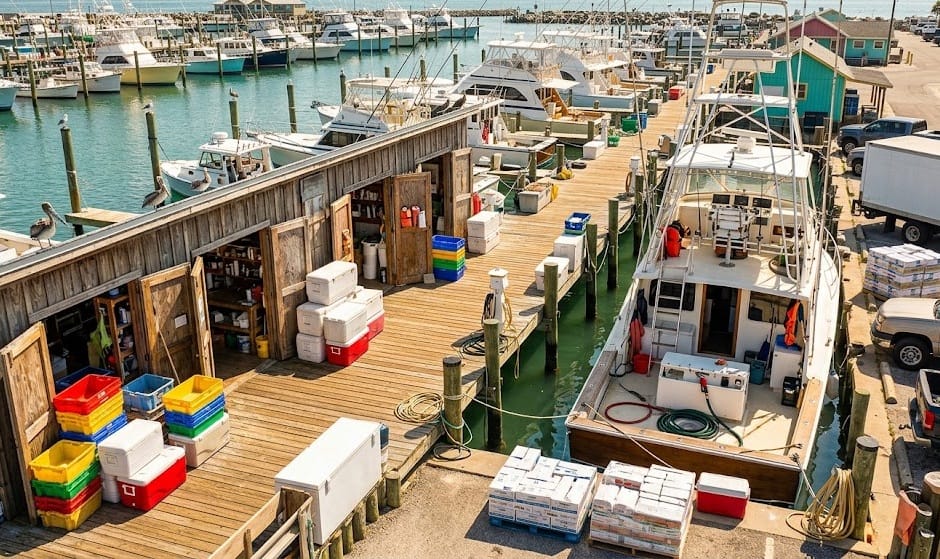
Weekend tournaments still define elite competition, where anglers face identical conditions and compete head-to-head. Long-format events, on the other hand, expand participation and provide a different pathway into the sport.
This dual structure is part of a broader shift highlighted in the Texas tournament expansion trend, where more than 300 events are now shaping the competitive landscape.
Together, these formats create a layered system:
- Short-format tournaments for high-intensity competition
- Long-format events for accessibility and sustained engagement
Each serves a different purpose, but both contribute to the growth of tournament fishing in Texas.
The Balance Between Opportunity And Pressure
As participation increases, so does pressure on coastal fisheries. Long-format tournaments spread that pressure over time, which can reduce localized impact—but they also increase the total number of anglers on the water.
For redfish, this means:
- More consistent fishing pressure across the season
- Increased movement and adaptability
- Greater reliance on habitat quality
This is where conservation becomes critical. Events like STAR are tied directly to organizations focused on habitat protection and sustainable fishing practices, helping balance growth with long-term fishery health.
What This Means For The Future Of Texas Fishing
The success of long-format tournaments signals a clear direction for the future of competitive fishing in Texas.
Participation is no longer limited by schedule or geography. Anglers have more ways to engage, more time to compete, and more flexibility than ever before.
For the redfish fishery, this means broader engagement—but also greater responsibility. As more anglers enter the system, understanding habitat, conservation, and sustainable practices becomes essential.
In 2026, one thing is clear: tournament fishing in Texas is no longer just about a weekend—it’s about an entire season on the water.
And as long-format events continue to grow, they will play a central role in shaping what competitive fishing looks like for years to come.