
For decades, coastal conservation in Texas followed a familiar model—state agencies, federal programs, and nonprofit partnerships working within tight budgets to protect fragile ecosystems. But in 2026, that model is shifting in a meaningful way.
Private funding is stepping in at a scale rarely seen before.
From multi-million-dollar reef restoration investments to industry-backed habitat recovery programs, private capital is beginning to reshape how Texas manages its coastal resources. And while the headlines focus on conservation, the real impact is being felt on the water—especially by redfish anglers.
Because when habitat changes, fishing changes.
Why Private Investment Is Entering The Picture
The push toward private funding didn’t happen overnight. It’s a response to growing pressure on coastal ecosystems—particularly oyster reefs, which have been heavily impacted by overharvesting, storms, and water quality shifts.
In recent years, Texas has seen initiatives where private organizations and conservation groups have contributed significant funding to:
- Retire commercial oyster harvesting efforts in key areas
- Rebuild reef systems using recycled shell and artificial substrate
- Support long-term monitoring and habitat management
This shift allows projects to move faster than traditional funding cycles would permit. Instead of waiting years for public funding approval, restoration efforts can begin almost immediately.
According to Texas Parks and Wildlife coastal habitat programs, partnerships between public agencies and private stakeholders are now central to large-scale restoration across Texas bays.
What’s Actually Changing On The Water
For anglers, the impact of these investments isn’t theoretical—it’s visible.
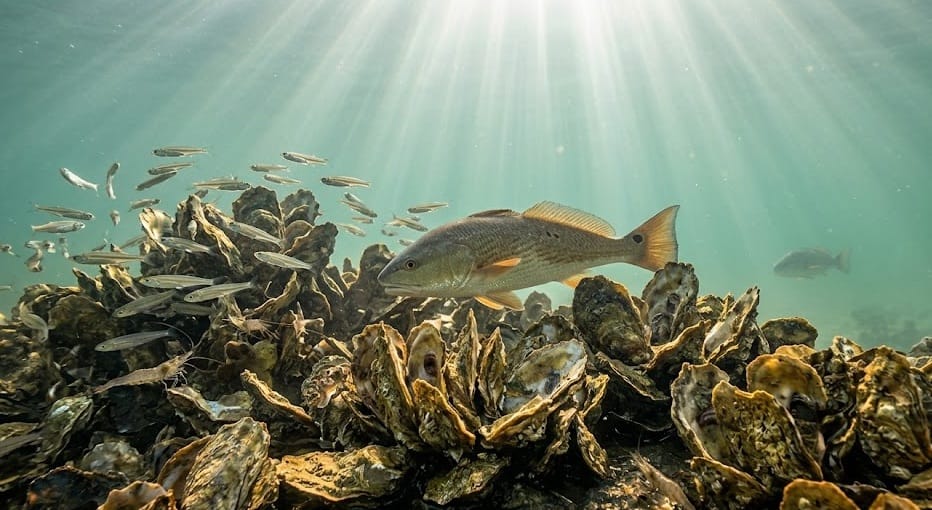
In bays like Galveston and Matagorda, newly placed oyster shell and reef structures are already beginning to attract baitfish. Water clarity in some restored zones is improving, and early signs of ecological recovery are starting to emerge.
These changes matter because oyster reefs serve as:
- Feeding hubs for redfish
- Structure that concentrates fish movement
- Natural filters that improve water quality
As reefs are rebuilt, anglers are seeing the return of more defined fishing zones, where redfish behavior becomes more predictable again.
It’s not immediate, but it’s measurable.
The Redfish Connection: Why Habitat Equals Opportunity
Redfish are resilient, but they thrive in structured environments. When oyster reefs decline, fish spread out and patterns become inconsistent. When reefs return, the opposite happens—fish concentrate, feeding windows tighten, and patterns become repeatable.
That shift is critical for both recreational and tournament anglers.
In areas where restoration is underway, anglers are beginning to reintroduce classic techniques—working current edges, targeting shell transitions, and building tide-based patterns around structure.
This is particularly important in regions where habitat loss had previously forced anglers into less predictable strategies, as explored in the oyster reef decline impact analysis, where shifting fish behavior made consistent success more difficult.
Now, in restored zones, those patterns are slowly coming back.
Regional Impact Across Key Texas Bays
Not all bays are experiencing the same level of investment, but several key regions are seeing noticeable changes tied to private funding efforts.
| Bay System | Investment Focus | Early Impact On Fishing |
|---|---|---|
| Galveston Bay | Large-scale reef restoration | Improving structure, better bait presence |
| Matagorda Bay | Mixed restoration and monitoring | More consistent redfish holding areas |
| San Antonio Bay | Targeted habitat rebuilding | Gradual return of structured fishing zones |
| Coastal Bend | Expanded conservation partnerships | Increased long-term habitat stability |
These differences highlight an important reality: restoration is local, and its effects are uneven—but where it’s happening, anglers are noticing.
The Long-Term Play: Sustainability Over Short-Term Gains
One of the defining characteristics of private funding is its long-term perspective. Many of these investments are not aimed at immediate results, but at rebuilding ecosystems over years or decades.

For redfish fishing, that’s a positive sign.
Instead of short-term fixes, these projects are focused on:
- Reestablishing stable habitat systems
- Supporting sustainable fish populations
- Reducing long-term environmental degradation
This approach aligns with broader conservation goals across the Gulf Coast, where maintaining fishery health is critical to both recreational fishing and coastal economies.
Potential Concerns And Tradeoffs
While the benefits are clear, private funding also raises questions.
Who decides where restoration happens? How are priorities set? And how do these projects balance ecological goals with commercial and recreational interests?
There’s also the question of access. As certain areas are restored or protected, anglers may face new restrictions or shifting boundaries.
These concerns don’t negate the value of private investment—but they highlight the importance of transparent management and collaboration between stakeholders.
What This Means For Tournament Fishing
For competitive anglers, habitat restoration is more than a conservation story—it’s a strategic variable.
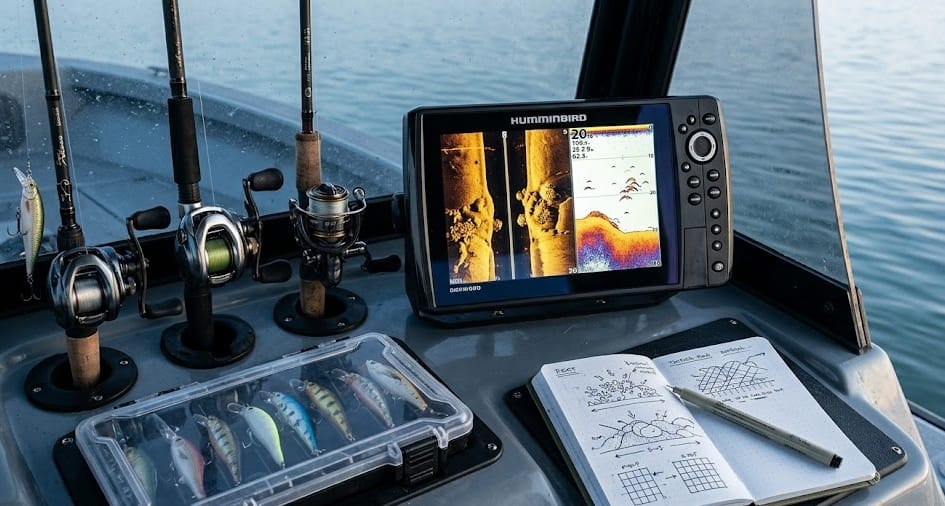
As new reefs develop, tournament patterns will evolve. Areas that were once overlooked may become key zones. Pressure may shift away from traditional hotspots and into newly productive water.
This dynamic adds another layer of complexity to tournament preparation, especially in a landscape already influenced by the grassroots tournament expansion trend, where more events mean more pressure across multiple bays.
In this environment, staying ahead means understanding not just where fish are—but where habitat is improving.
A New Era Of Coastal Management
The rise of private funding marks a turning point for Texas coastal conservation. It represents a shift from reactive management to proactive investment—one where resources are mobilized quickly and at scale.
For redfish anglers, the implications are significant.
Healthier reefs mean better structure. Better structure means more predictable fishing. And more predictable fishing leads to stronger patterns, more consistent results, and ultimately a more stable fishery.
Where Conservation And Fishing Meet
At its core, this shift is about alignment. Private funding is bridging the gap between conservation and recreation, creating a system where protecting the resource directly benefits those who depend on it.
For the Texas coast, that’s a powerful combination.
Because in the end, the future of redfish fishing isn’t just about finding fish—it’s about ensuring the habitat that supports them continues to exist.
And in 2026, that future is being shaped not just by policy, but by investment.