
The 2026 CCA Texas STAR Tournament is already deep enough into the calendar for anglers to feel the summer rhythm, but not far enough along for the biggest storylines to be settled. ABC13 reported on July 4, 2026, that the tournament was five weeks in and still had plenty of major prizes available. That timing is exactly why STAR works so well on the Texas coast. It is not a one-day shootout where the story ends at weigh-in. It is a long summer contest that keeps anglers checking tides, watching weather, planning family trips, and staying alert every time they fish from Galveston to the Lower Laguna Madre.
Why The Midseason Window Matters In A Long-Format Tournament
The middle stretch of STAR is where the tournament’s design starts to show its value. Opening weekend brings excitement, registration reminders, and the first rush of anglers chasing tagged redfish. Labor Day weekend brings the final push. The weeks in between are where the event becomes part of everyday Texas coastal fishing life.
The official CCA Texas STAR Tournament page lists the 2026 dates as May 23 through September 7, with more than 100 days of fishing across the entire Texas coastline. That format gives anglers time, but it also demands patience. A participant may not find a tagged redfish on the first trip, the fifth trip, or the tenth trip. The tournament is built around the idea that the next legal fish, the next bay system, or the next weekend window still matters.
That is why ABC13’s July 4 update landed at a useful point in the season. Five weeks in, the tournament had moved past opening hype, but the summer was still wide open. For anglers, that creates a different kind of motivation. They do not have to treat one missed trip as a lost opportunity. They can reset, plan another weekend, fish another stretch of shoreline, and stay connected to the event.
For texassportsmen.com readers, this is the biggest lesson of the STAR midseason push: long-format tournaments keep competition alive by giving ordinary coastal anglers more than one chance to matter.
How STAR Turns Regular Fishing Trips Into Tournament Opportunities
Most Texas anglers already build their summers around weather, family schedules, boat maintenance, tide movement, and bay conditions. STAR fits into those routines instead of replacing them. That is one reason it has staying power. A family trip to Rockport, a wade-fishing morning near Port Mansfield, or a weekend boat run from Matagorda can become part of the tournament if the angler is properly registered.
The official STAR site says current CCA members registered in the tournament are eligible to compete for more than $2 million in prizes, including boats, trucks, UTVs, and scholarships. The event includes tagged redfish, inshore, offshore, guides, and youth scholarship divisions. That structure keeps the tournament broad enough for different types of coastal anglers.
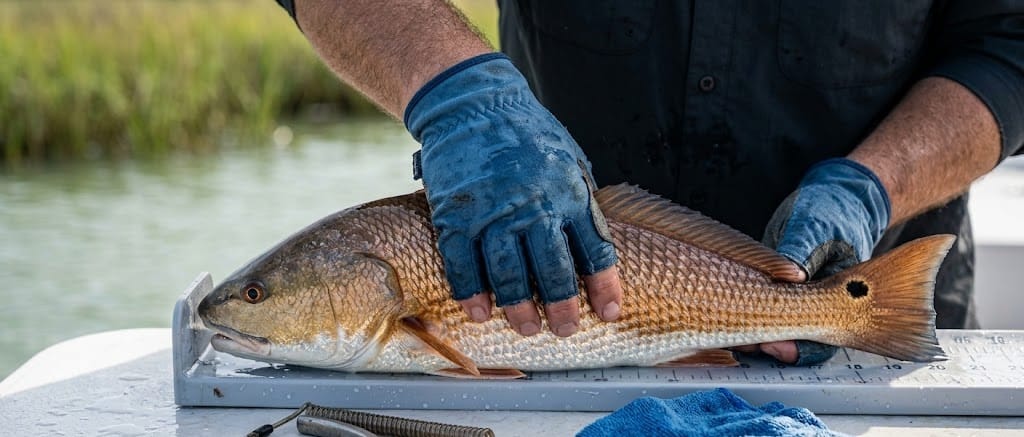
A private boat owner may focus on tagged redfish in a familiar bay. A youth participant may be motivated by scholarship divisions. A guide may see the tournament through client education and local knowledge. An offshore crew may watch the offshore categories when conditions allow a Gulf run.
That range is what makes STAR feel like a summer circuit rather than a single event. It does not ask every angler to gather at one ramp on one Saturday. It lets Texas’ coastwide fishing culture become the playing field.
The structure also gives this site a clear connection to earlier coverage of the 2026 CCA Texas STAR summer fishing circuit, where the event’s coastwide scale explained why STAR feels different from a normal tournament weekend.
Why Tagged Redfish Keep Anglers Paying Attention
The tagged redfish format is still the main engine of STAR’s summer drama. A tagged redfish can turn a normal day on the water into a life-changing prize opportunity, but only if the angler is registered, follows the rules, clips the tag correctly, releases the fish, and turns the tag in through the proper process.
STAR’s official prize page describes the Texas Ford Dealers Red Tag Division as offering up to 10 winners, with the first five certified red-tagged redfish winners receiving a 2026 Ford F-150 XLT SuperCrew Cab connected to a 23-foot Haynie Amigo boat package. Youth under 16 receive the boat package and a $25,000 scholarship instead of the truck. The second five certified red-tagged redfish winners receive the Haynie Amigo boat package.
That prize structure explains why anglers remain engaged even when the season is several weeks old. The possibility does not disappear after opening weekend. A tag can still be found later in summer, and every legal redfish encounter carries a different kind of attention.
The newer Tags of Texas Division adds another layer. STAR describes the format as one where every tag is a winner, with seven sponsored tag colors connected to prize levels. That makes the redfish chase feel broader than a top-heavy prize ladder.
For Texas coastal fishing culture, the tagged format also rewards local knowledge. Anglers think about marsh drains, flats, grass edges, water clarity, boat traffic, bait movement, and the way fish shift through summer heat. The tournament turns those normal redfish decisions into a season-long competitive puzzle.
How The Prize Structure Keeps Families And Youth In The Story
STAR’s midseason push is not only about adult anglers chasing trucks and boats. The youth scholarship angle keeps families invested throughout the summer. The official tournament page lists youth membership at $10 for ages 6–17, with current youth members fishing STAR for free. STAR also promotes youth scholarship divisions as part of its tournament identity.
That matters because fishing tournaments can easily become gear-heavy and adult-centered. STAR stays broader by giving young anglers a real reason to participate. A teenager or younger angler is not only along for the ride. They can learn rules, species identification, release habits, measuring discipline, and the patience required to compete across a long calendar.
The midseason window is especially useful for youth participation because families may still have time to plan another trip before school routines return. A young angler who missed opening weekend can still fish July or August. A family that learned about the event through local coverage can still understand the rules, register properly, and participate before September 7.
| STAR Feature | Why It Keeps Anglers Engaged | Family Or Youth Impact |
|---|---|---|
| 100+ Day Schedule | Gives anglers multiple weather and travel windows | Families can plan around work, school, and summer trips |
| Tagged Redfish | Makes any legal redfish encounter matter | Young anglers stay alert on normal fishing days |
| Youth Scholarships | Adds development value beyond prizes | Parents can frame fishing as learning and opportunity |
| Coastwide Format | Lets different bay systems matter | Families can fish close to their preferred coastal base |
| Multiple Divisions | Creates more ways to participate | Different skill levels and trip types stay relevant |
The scholarship piece also helps preserve the tournament’s conservation identity. Youth anglers who learn tournament rules through STAR may carry those habits into adult fishing: correct measurement, proper release, licensing awareness, and respect for fishery management.
Why Local Coastal Communities Benefit From A Tournament That Does Not End Quickly
A one-day tournament can create a burst of traffic. STAR creates a slower summer burn. That difference matters for Texas coastal communities because fishing-related spending often spreads across bait shops, fuel docks, marinas, hotels, restaurants, boat mechanics, tackle shops, and local guides.
When the tournament lasts from late May through Labor Day, coastal businesses have more than one weekend to benefit from angler interest. A family may book a Port Aransas weekend in June, return to Matagorda in July, and fish a different bay in August. A tournament entry can become part of several trips, not one isolated expense.
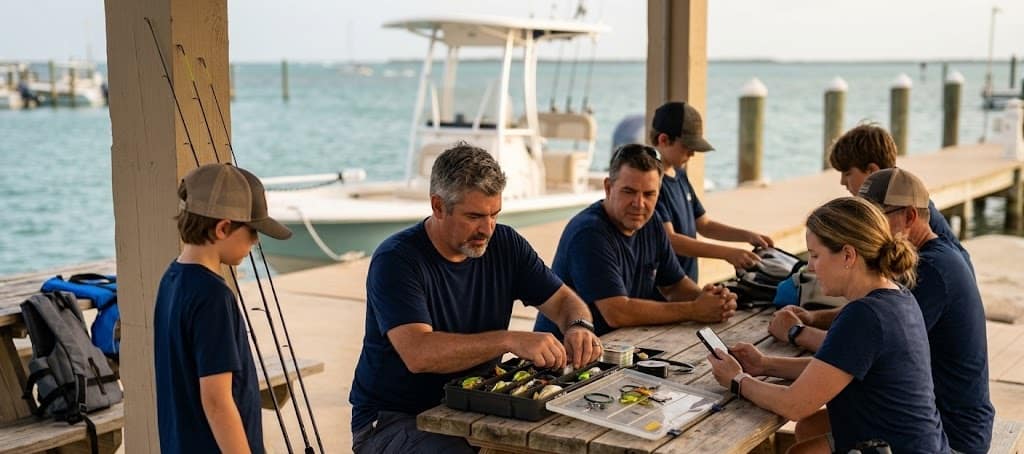
That is why the midseason push is important. If anglers stay engaged after the first month, the economic value of the tournament keeps circulating. Local shops can continue selling tackle, ice, bait, fuel, and safety supplies. Guides can continue answering questions about rules and fish behavior. Weigh stations and coastal gathering points remain part of the tournament conversation.
ABC13’s July 4 report made that continued attention visible by showing that the event still had meaningful prizes available after five weeks. That kind of update matters because it reminds anglers that the tournament has not passed them by.
For smaller coastal communities, that sustained attention can be more valuable than a single large weigh-in. STAR lets towns across the coast share in the season rather than concentrating the whole event in one place.
How The Midseason Stretch Tests Real Angler Discipline
A long tournament can create a false sense of comfort. Anglers may think there is always another weekend, another tide, or another chance. The midseason stretch tests whether they can stay prepared without getting careless.
Registered anglers still need a current CCA membership, current STAR entry, and current Texas saltwater fishing license to be eligible. They also need to understand division rules, tag procedures, weigh station requirements, species limits, and release expectations. Missing one detail can turn a great catch into a missed opportunity.
That is where STAR rewards discipline. The strongest anglers treat each trip as if it could matter. They keep rules handy. They know how to respond if a tagged redfish is caught. They understand that clip-and-release procedure is not an afterthought. They keep the tournament in mind even during casual summer fishing.
The official STAR rules page reinforces that participation depends on eligibility, proper registration, and compliance with tournament requirements. This is not just a “catch a fish and win” contest. It is a structured event where preparation off the water can matter as much as a cast on the water.
Midseason also tests endurance. Texas summer heat, boat traffic, storms, family travel, and changing fish patterns can wear anglers down. Staying engaged requires more than enthusiasm. It requires planning.
Why STAR Fits The Way Texas Anglers Actually Fish
The strength of STAR is that it mirrors real Texas coastal behavior. Anglers do not all fish the same water, use the same boat, target the same species, or travel on the same schedule. Some fish from shore. Some wade. Some run bay boats. Some plan offshore trips when the Gulf settles. Some build weekends around kids and family.
STAR can absorb all of that. Contestants can participate from shore, by wading, or from a boat, and the tournament covers the Texas Gulf Coast rather than one narrow venue. That flexibility is a major reason the event keeps attention through summer.
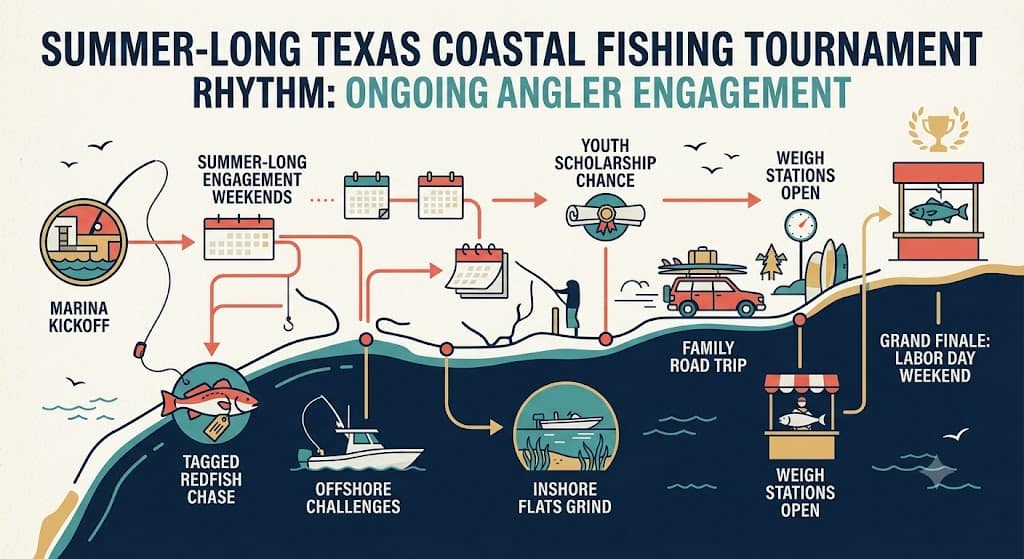
A tournament with only one format would miss much of the Texas angling community. STAR’s strength is its ability to hold several fishing cultures inside one event: redfish hunters, offshore crews, youth anglers, guides, families, and local bay regulars.
That makes the midseason push feel different from a scoreboard update. It is a reminder that the tournament is still happening in hundreds of small ways. At boat ramps, in bait shops, at cleaning tables, on bay shorelines, and in family conversations about the next trip, STAR keeps showing up.
What Anglers Should Watch Before Labor Day
The next stretch of STAR will be shaped by weather windows, redfish movement, youth participation, offshore conditions, and whether more major prizes are claimed before the September 7 finish. Anglers should keep watching official STAR updates, prize status, tournament rules, and any reminders from CCA Texas about registration or tag procedures.
They should also watch their own habits. A midseason tournament is easy to treat casually until the right fish appears. The better approach is to prepare before every trip: confirm registration, carry the right license, know the rules, keep release tools ready, and make sure everyone on the boat understands what to do if a tagged redfish is caught.
For families, the window before Labor Day still creates meaningful opportunities. A youth angler can still learn from the tournament even without winning. A parent can still use the event to teach conservation, measurement, species awareness, and patience. A local community can still benefit from angler travel and coastal spending.
That is why the CCA Texas STAR midseason push matters. It proves the value of a long-format tournament is not limited to opening-day excitement or final-week pressure. The real strength is what happens in between: anglers stay engaged, families keep planning, coastal towns keep feeling the season, and every trip still has a reason to matter.