
Sam Rayburn low water has moved the bass conversation from broad shoreline fishing to sharper decisions about depth, cover, access, and timing. As of September 7, 2026, Sam Rayburn Reservoir was 67.1% full at 155.00 feet Mean Water Surface, about 9.40 feet below the 164.40-foot conservation pool, according to Water Data for Texas. That is not a small adjustment for anglers. It changes what is wet, what is exposed, which routes are safe, and how much useful cover remains in play.
A month earlier, on August 7, 2026, the reservoir was listed at about 71.3% full and 156.39 feet. That recent drop matters because fish and anglers both respond to water movement. Bass that might have used flooded bushes, shallow grass edges, or newly covered shoreline targets have less of that habitat available. Anglers who keep fishing the same bank at the same speed can burn time. The better approach is to treat the lake as a smaller, more concentrated playing field and build each day around the cover still holding water.
Sam Rayburn Low Water Changes The Starting Point
The first adjustment is mental. Low water does not mean Sam Rayburn stops being one of Texas’ major bass fisheries. It means the first cast should be based on what the lake level has taken away and what it has left behind. TPWD’s Sam Rayburn Reservoir survey report notes that water-level fluctuations average 6 to 7 feet annually, which affects aquatic vegetation and fish habitat TPWD survey report. The September 7 reading was beyond that average swing from conservation pool, so the exposed shoreline is a central part of the current fishing story.
Sam Rayburn Low Water Cover Math
When water drops close to 9 or 10 feet below conservation pool, anglers should not expect every favorite shallow stretch to fish the same way. Flooded terrestrial vegetation becomes less available. Shallow flats can lose their soft edges. Some grass lines may be too thin, too shallow, or fully exposed. That leaves bass using the remaining useful cover with more purpose: submerged timber, brush piles, channel edges, deep point drops, and structure that connects feeding areas to safer water.
That is why Sam Rayburn low water can make fish easier to locate in one sense and harder to catch in another. The lake gives anglers fewer likely zones, but those zones may receive more pressure. A bass that slides from a bare bank to a nearby channel bend may be easier to target on a map. It may also need a slower bait, a cleaner angle, or a quieter approach to commit.
Why Habitat Concentration Matters
Low water concentrates the fishing map. Instead of spreading effort across long stretches of bank, anglers can use creek channels, intersections, drains, points, humps, and submerged timber as the framework for a day. The best pieces of cover are not random. They are the ones closest to deeper water, bait movement, shade, or a route fish can use without crossing too much dead water.
Channels, Bends, And Points
Creek-channel bends deserve extra attention because they give bass a depth change, an edge, and a travel lane. A point that falls into a channel can fish better than a flatter point with no deep-water connection. A brush pile beside a channel swing can be stronger than isolated cover sitting far from a route. During low water, those small differences decide whether a spot is just visible on electronics or actually productive.
The same thinking helps anglers prepare for tournament-style days. The run-and-gun approach can still work, but only if each stop has a reason tied to water depth and cover. For readers comparing practice plans, our recent piece on Sam Rayburn tournament strategies looks at how low-water cover choices can shape competitive decisions on the reservoir.
Remaining Vegetation Still Has Value
Hydrilla, lotus, and pondweed are listed in research notes as key aquatic plant types at Sam Rayburn, and their value rises when less shoreline cover is wet. Even a reduced grass edge can hold bait, give bass ambush cover, and create a cleaner target line for anglers. The mistake is assuming all grass is equal. In low water, the best vegetation is usually the grass with enough depth, nearby escape water, and signs of life around it.
Lure Pace And Water Clarity Adjustments
Lure choice should follow the water, not habit. Low water can leave some areas stained or off-color, especially where wind, exposed banks, or decaying vegetation affect clarity. In those windows, baits that push water, flash, rattle, or create vibration give bass a better target. Spinnerbaits, lipless crankbaits, bladed jigs, and rattling presentations fit that job when visibility is limited.
Vibration First In Off-Color Water
If a creek arm or upper-lake area has murkier water, anglers can start with moving baits that help bass find the lure. White and chartreuse are practical color families because they offer contrast. Flash can help on wind-blown points, while vibration can help around grass edges, timber lanes, or stained flats near deeper water. The key is not just throwing loud baits. It is matching them to places where fish have a reason to feed.
Slow Presentations Around Remaining Cover
Sam Rayburn low water also rewards patience. When fish hold tight to brush, timber, or subtle bottom changes, slower presentations can outfish faster search baits. Shaky heads, drop shots, ned rigs, soft worms, jigs, and creature baits allow anglers to work small targets longer. Around silt or mud, a bait that gets to bottom but still moves naturally can be more effective than one that races through the strike zone.
This is where boat control becomes part of the tactic. A cast that enters a brush pile from the right angle can produce where a careless cast hangs up or spooks fish. Low water often removes shallow cover, but it does not remove the need for clean presentations.
Access, Safety, And Community Planning
The fishing adjustment is only half the issue. Access and safety matter more when the lake is down. Stumps, flats, timber, and shallow lanes can sit closer to the surface or become newly exposed. A route that felt routine at higher water may deserve a slower idle, a fresh map check, or a different launch plan. This is especially true for anglers running before daylight or returning after dark.
Route Planning Before Launch
A safe day starts before the boat leaves the ramp. Anglers should compare current lake level data with mapping, saved tracks, and visible conditions at the launch. Low water can make some ramps less convenient, and it can place boats into shallower water sooner than expected. No bass is worth a damaged lower unit or a risky run through timber.
Community information helps here. Local anglers, ramp reports, marina conversations, and club networks can share what is usable without turning safety into guesswork. Readers who follow outdoor resources across the same network can also find related community context at wikiapp.org.
Shared Information Helps The Local Fishing Community
Sam Rayburn is more than a tournament stop. It is a community fishery for weekend anglers, high school teams, families, guides, local businesses, and conservation-minded sportsmen. Low water affects all of them. If a ramp is difficult, a hazard is newly exposed, or a productive area is receiving heavy pressure, sharing clear, factual information helps everyone use the reservoir more responsibly.
Species Patterns Under Lower Water
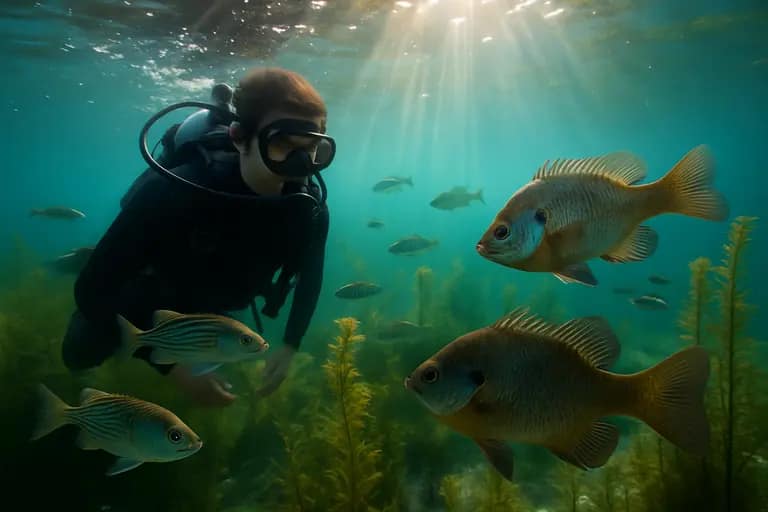
Bass get much of the attention at Sam Rayburn, but the same water-level shift affects crappie and white bass tactics. The shared theme is concentration. Fewer shallow cover options push fish toward remaining structure, deeper routes, and bait-related movement.
Bass And Crappie Decision Points
For bass, the best questions are simple: where is the nearest deeper water, where is the remaining cover, and where is bait likely to pass? For crappie, low water can make brush piles, channel bends, and deeper structure more important outside the spawning window. During the spawn, shallow brush and vegetation matter; later, deeper brush and bends often become better targets. When less shallow cover is available, the remaining cover can draw more fish and more fishing pressure.
White Bass And Open-Water Clues
White bass tend to relate to open structure, humps, points, and bait movement. In low water, anglers can watch for surface activity, bird movement, and bait disturbance while also checking main-lake points and structure near deeper water. The pattern is still conditions-based. If bait is not present, the prettiest hump on a map may not produce.
Long-Term Fishery Notes From The Data
The current lake level deserves attention, but it should be viewed with the fishery data that TPWD has reported. The Sam Rayburn survey data from 2020 through 2023 showed largemouth bass electrofishing catch rates in the range of about 152 to 174 fish per hour, with stable or favorable condition noted in the research. That does not erase the short-term impact of low water on cover, spawning habitat, or angler access. It does show why anglers should separate a tough low-water pattern from the idea that the fishery itself has stopped producing.
Vegetation recovery remains part of the long-term story. Aquatic plants and flooded cover help young fish and forage species. When the lake sits well below conservation pool, less of that habitat is available. Anglers who practice selective harvest, careful fish handling, and habitat awareness help protect the quality that keeps Sam Rayburn central to East Texas bass fishing.
Sam Rayburn Reservoir Low-Water Tactics
The practical plan is clear. Start with the lake level, then build the day around the cover that still has enough water to matter. Use channels, bends, brush piles, timber, points, humps, and remaining vegetation as the main targets. In dirty water, add vibration, flash, and contrast. Around pressured cover, slow down with finesse presentations and better casting angles.
Sam Rayburn low water should also change how anglers move. Check access, respect shallow hazards, and do not assume last month’s safe route is still safe on September 8, 2026. The reservoir remains fishable, but the margin for careless boat operation is thinner when the lake is down.
For bass anglers, the best low-water tactic is discipline. Fish the highest-percentage structure, match lure speed to water clarity and pressure, and let the current lake level decide the plan. Sam Rayburn low water has narrowed the target zone, but it has not removed the opportunity for anglers willing to adjust.