
The Sam Rayburn Victory by Kaden Mueck on September 14, 2026, gave Texas bass fishing a clean example of how fast tournament control can change when an angler reads bait, stays patient, and trusts a simple plan. Mueck, from Livingston, won the MLF Phoenix Bass Fishing League Presented by T-H Marine event at Sam Rayburn Reservoir with 10 bass weighing 49 pounds, 14 ounces, earning $11,450, including a $7,000 Phoenix bonus, according to The Bass Cast recap.
Because the event concluded before today, this is a recap rather than a preview. The result mattered beyond the trophy photo. It closed the fifth and final Phoenix BFL event of the Cowboy Division season, showed how local knowledge can matter on Sam Rayburn, and gave weekend tournament anglers a clear study in timing, bait presence, and pressure management.
Why The Sam Rayburn Victory Stood Out
The Sam Rayburn Victory In Numbers
Mueck’s final mark of 49 pounds, 14 ounces over two days separated him from the field by a wide margin. Wyatt Frankens finished second with 10 bass weighing 39 pounds, 2 ounces, leaving a gap of 10 pounds, 12 ounces. That margin is not a small detail in a two-day BFL event; it shows that Mueck did more than survive one strong flurry. He created enough weight early and backed it up when the second day did not begin cleanly.
The event also had a separate big-fish story. Hut Reeves claimed the Big Bass Boater award with a 10-pound, 9-ounce bass and earned a $300 bonus. Mueck did not win that award, which makes his result even more useful for analysis. His win came from building the strongest two-day total, not from leaning on the single heaviest fish of the tournament.
Why The Margin Matters
That Sam Rayburn Victory was built on separation. In tournament fishing, a big opening-day cushion can change the second day, but it can also add stress if the bite does not repeat. Mueck’s Day 2 started slowly, with no visible bait at first. Rather than abandon the work that had put him in position, he stayed with the pattern long enough for bait to return. Once it did, he added roughly 23 pounds in a 15-to-20-minute window.
For anglers in the Texas Sportsmen community, that is the useful sports lesson. The win was not only about finding fish. It was about knowing when a spot was worth another pass and when changing too much could cost more than it gained.
How Mueck Built The Winning Pattern
Fast Start, Then Patience
Mueck’s first day was explosive. He put a full limit in the boat quickly, with 27 pounds in the first 15 minutes of fishing. That type of start can tempt an angler to assume the event has already been decided. Sam Rayburn rarely makes things that easy for two straight days, and Day 2 proved it.
The second morning did not offer the same immediate signal. The bait that had helped power the opening-day bite was not visible at first. Mueck kept making passes, stayed with baited areas, and waited for the conditions that matched his plan. After about 1 to 1.5 hours, the bait returned. The catch window that followed was short, but it was enough to lock down the event.
Simple Does Not Mean Easy
Mueck described the approach as keeping it simple: target dense bait when it showed, then keep pressure on the right areas rather than overworking the plan. That sounds plain, but in a tournament setting it takes discipline. Every empty cast can push an angler toward a new decision. Every competitor on the water adds pressure. Every minute without visible bait feels longer when the final standings are on the line.
Mueck’s Sam Rayburn Victory also fit the way many successful anglers talk about this reservoir: bait movement can decide the timing of a bite as much as cover or depth. The research provided did not include lure, depth, or weather details, so those parts of the pattern should not be guessed. What is confirmed is enough to understand the core: he found the key bait-related window twice and capitalized quickly both times.
| Confirmed Factor | What Happened | Competitive Meaning |
|---|---|---|
| Opening-Day Start | 27 pounds in the first 15 minutes | Created early control of the event |
| Day 2 Adjustment | No visible bait at first, then bait returned after about 1 to 1.5 hours | Rewarded patience and repeated passes |
| Final Total | 10 bass for 49 pounds, 14 ounces | Produced a 10-pound, 12-ounce winning margin |
| Big Bass Award | Hut Reeves caught a 10-pound, 9-ounce bass | Showed the lake had heavyweight fish in play beyond the winner |
For readers comparing this result with recent tournament planning on the same fishery, our earlier Sam Rayburn BFL strategy preview covered how anglers approached pressure, cover, and event preparation before another BFL stop.
What The Result Said About Local Competition
Livingston Roots And Local Pressure
Mueck is from Livingston, which gave this result a strong local angle without making it automatic. Local anglers still have to execute under tournament rules, against other anglers who also understand Sam Rayburn’s cycles. Mueck noted being wary of the Mercer family and believed they might post big numbers. That detail matters because it shows the competitive respect inside the local fishing scene.
Local knowledge is not a shortcut. It can help an angler understand where bait may gather, how quickly a bite can fire, and which areas are worth patience. But the standings still come down to decisions made on tournament time. Mueck’s advantage was not only knowing the reservoir; it was applying that knowledge when the second morning tested the plan.
A Season-Ending Cowboy Division Moment
This event was the fifth and final Phoenix BFL event of the Cowboy Division season. That made the result feel bigger inside the division race because it arrived at the close of the schedule. The research does not provide full season standings, so any ranking impact beyond the event result should not be stated as fact. What can be said is that the win came in the final division event, and that gives it weight in how anglers and local followers remember the 2026 Cowboy Division finish.
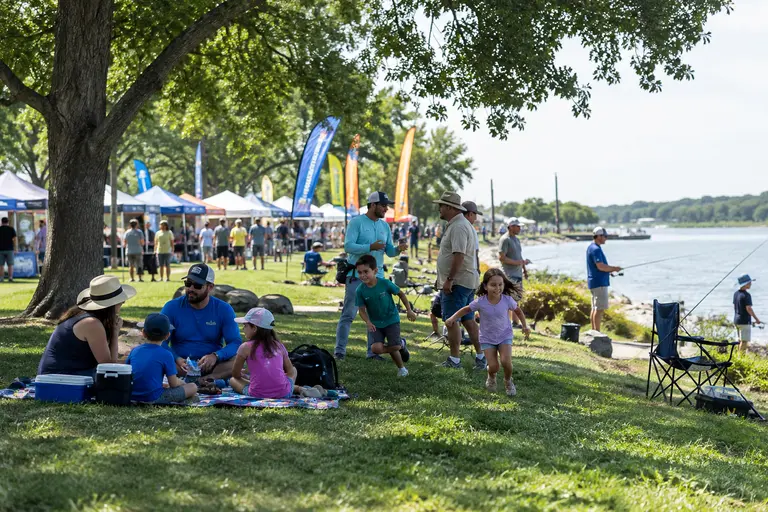
For community event coordinators, these season-ending stops matter because they gather anglers, families, volunteers, sponsors, and lake-area businesses around a shared sports calendar. Even after weigh-in, the conversations continue at ramps, restaurants, tackle counters, and weekend gatherings.
Community Value Around Sam Rayburn Tournaments
Why The Reservoir Draws Tournament Traffic
Sam Rayburn is not just another bass stop on a schedule. Texas Parks and Wildlife Department reporting states that Sam Rayburn Reservoir hosts more than 400 bass tournaments per year, and estimates the largemouth bass fishery’s recreational value at $46.7 million, with $31.1 million tied to tournament activities, according to the TPWD reservoir survey.
Those numbers help explain why a single BFL result can ripple through the Texas fishing community. Tournament anglers buy fuel, food, lodging, tackle, boat service, and supplies. Families and friends follow weigh-ins. Local guides, shops, and marinas benefit from a steady tournament calendar. That does not mean every event has the same financial impact, but it confirms the fishery’s tournament identity.
Shared Attention Across Fishing Communities
Community coverage also matters. Sites in the same network, including a related site ambikapurcity.com, show how local reporting can connect people around civic life, events, and regional pride. In East Texas fishing, that same local thread runs through boat ramps, weigh-in conversations, youth anglers watching seasoned competitors, and families who plan weekends around lake activity.
The Sam Rayburn Victory gave those communities a clean talking point: a Livingston angler won a major local BFL stop by staying with a bait-driven plan and finishing far ahead of the nearest challenger. That is the kind of result that helps newer anglers understand tournament discipline and gives veteran anglers another pattern to compare against their own time on the water.
- For tournament anglers: the event reinforced the value of bait presence and timing.
- For local businesses: it added another high-interest fishing weekend tied to Sam Rayburn’s tournament calendar.
- For young anglers: it offered a local example of patience under pressure.
- For event organizers: it showed why clear schedules and strong lake access remain central to competitive fishing culture.
What Mueck’s Sam Rayburn Victory Means For Texas Bass Fishing
A Practical Lesson From A Finished Event
The most useful takeaway from Mueck’s Sam Rayburn Victory is that tournament success can come from a plan that is clear enough to trust under stress. He did not need to win the Big Bass award. He did not need the second morning to start perfectly. He needed to recognize the value of bait, stay close enough to the right water, and act fast when the bite window opened.
That is why this result will hold attention among Texas bass anglers. It combines local knowledge, a fast first-day limit, a tested second-day decision, and a final total that created real separation. For Sam Rayburn’s fishing community, it was a September 14, 2026 result worth revisiting because it showed how one angler turned a simple strategy into a decisive win on one of Texas’ most tournament-active reservoirs.