
In 2026, Texas isn’t just hosting fishing tournaments—it’s dominating the calendar. With more than 300 organized fishing events taking place across freshwater lakes and coastal bays, the scale of competitive angling has reached a level that few expected just a decade ago.
From local redfish shootouts in small coastal towns to nationally recognized circuits stopping in Port Aransas, the state has become a year-round hub for competition. What was once a seasonal activity is now a continuous cycle of events, stretching from early spring into late fall.
This surge is reshaping not just how often anglers compete—but how they approach the sport entirely.
What’s Driving The Explosion In Tournament Fishing
The growth of tournament fishing in Texas is tied to several overlapping trends that have accelerated since the early 2020s.
Participation in outdoor recreation surged, and fishing—particularly inshore fishing—became more accessible than ever. At the same time, improvements in boats, electronics, and social media exposure made it easier for anglers to transition from casual fishing into structured competition.
Tournament organizers responded quickly. Instead of relying solely on flagship events, they expanded into:
- Regional circuits covering multiple bays
- Grassroots tournaments designed for local anglers
- Specialty formats targeting youth, women, and team divisions
According to data aggregated by Texas fishing tournament listings, the number of organized events across the state now exceeds 300 annually—an unprecedented level of activity.
How Coastal Redfish Tournaments Fit Into The Growth
While the overall number includes freshwater bass tournaments and offshore events, redfish competitions are playing a central role in the coastal surge.
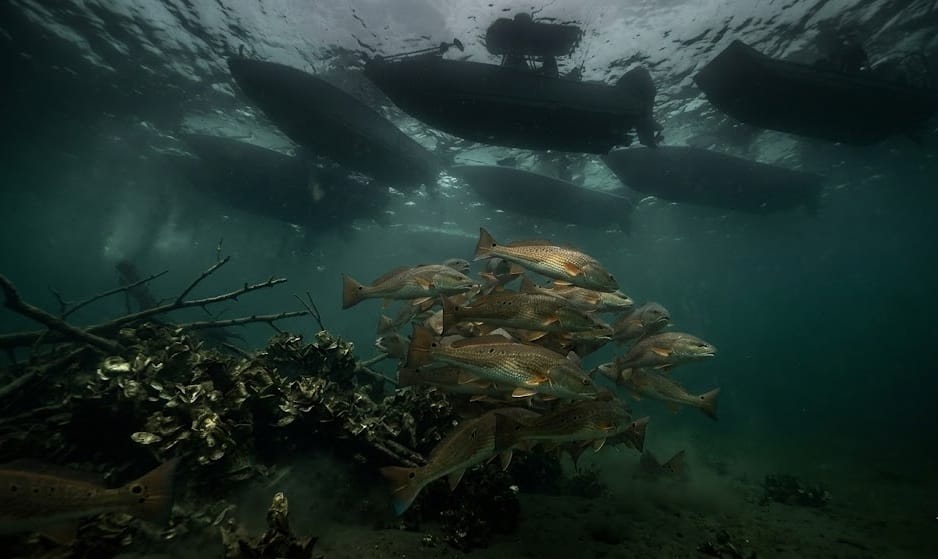
Inshore tournaments offer a unique balance of accessibility and challenge. Anglers don’t need large offshore vessels, and many events can be fished within relatively short runs from the launch. That accessibility has made redfish tournaments one of the fastest-growing segments in the state.
More importantly, the health of Texas redfish populations continues to support this growth. Strong fisheries allow for:
- Consistent tournament results
- High participation without immediate decline in catch rates
- Expansion into new or previously underutilized bays
This stability is one reason redfish events continue to anchor the competitive landscape along the Gulf Coast.
The Rise Of Overlapping Circuits And Event Choices
With so many tournaments on the calendar, anglers are now faced with something that didn’t exist before—choice.
In previous years, most competitive anglers planned around a handful of major events. In 2026, it’s common for multiple tournaments to take place on the same weekend, often within driving distance of each other.
This has created a layered system where:
- Elite anglers chase high-payout circuits
- Mid-level competitors rotate through regional series
- Local anglers participate in community-driven events
The result is a decentralized competitive environment, where participation is spread across multiple tiers rather than concentrated in a few major tournaments.
This dynamic aligns closely with the growth seen in the grassroots tournament expansion, where local events continue to feed talent and participation into the broader system.
Pressure On Fisheries And Changing Fish Behavior
The expansion of tournaments doesn’t come without consequences. Increased participation means increased pressure—both during events and in the days leading up to them.
In heavily fished areas, anglers are already noticing changes in redfish behavior:
- Fish becoming more selective in pressured zones
- Feeding patterns shifting to less predictable windows
- Greater movement into harder-to-access areas
These changes are subtle, but they affect competition. Winning teams are no longer relying on a single pattern or location. Instead, they are adapting throughout the day, often covering more water than in previous years.
As the number of events continues to grow, this adaptability is becoming a defining skill.
Economic Impact Along The Texas Coast
The rise in tournament fishing is having a measurable economic impact, particularly in coastal communities.
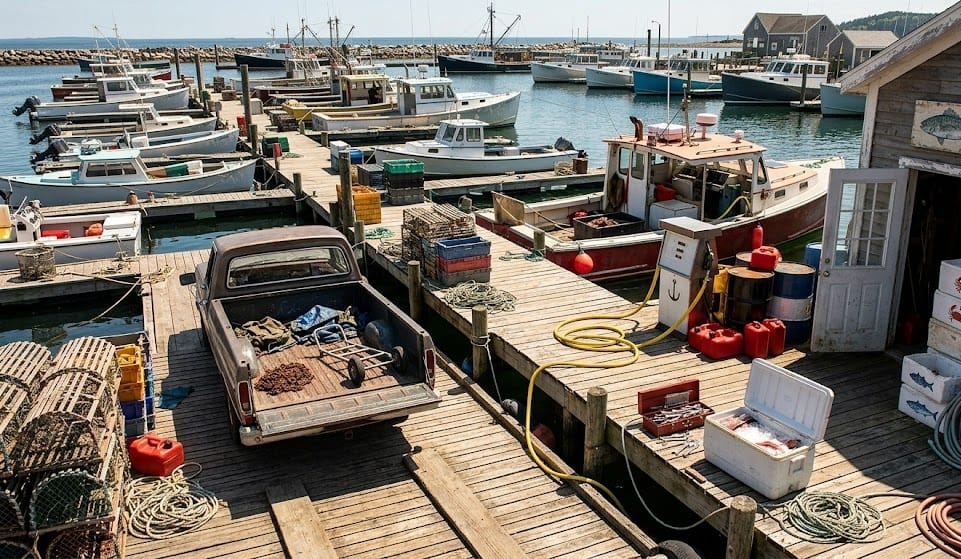
Unlike single large events, a dense calendar creates consistent economic activity. Every tournament brings:
- Fuel sales at marinas
- Increased demand for lodging
- Business for local bait and tackle shops
- Traffic for restaurants and service providers
In towns like Port Aransas, Rockport, and Matagorda, tournaments are no longer occasional boosts—they are part of the regular economic cycle.
This steady flow of anglers has helped stabilize coastal economies, especially outside peak tourist seasons.
The Challenge Of Maintaining Competitive Integrity
As participation increases, maintaining fairness across tournaments becomes more complex. Larger fields, overlapping events, and varied formats create more opportunities for inconsistency.
Tournament organizers are responding by tightening rules, improving verification systems, and increasing coordination with enforcement agencies.
These efforts mirror the broader trend discussed in the Texas Game Warden enforcement shift, where oversight is becoming more structured as the sport grows.
For anglers, this means adapting not just to fishing conditions, but to a more regulated competitive environment.
Is The Growth Sustainable?
The question many anglers are now asking is whether this level of expansion can continue without consequences.
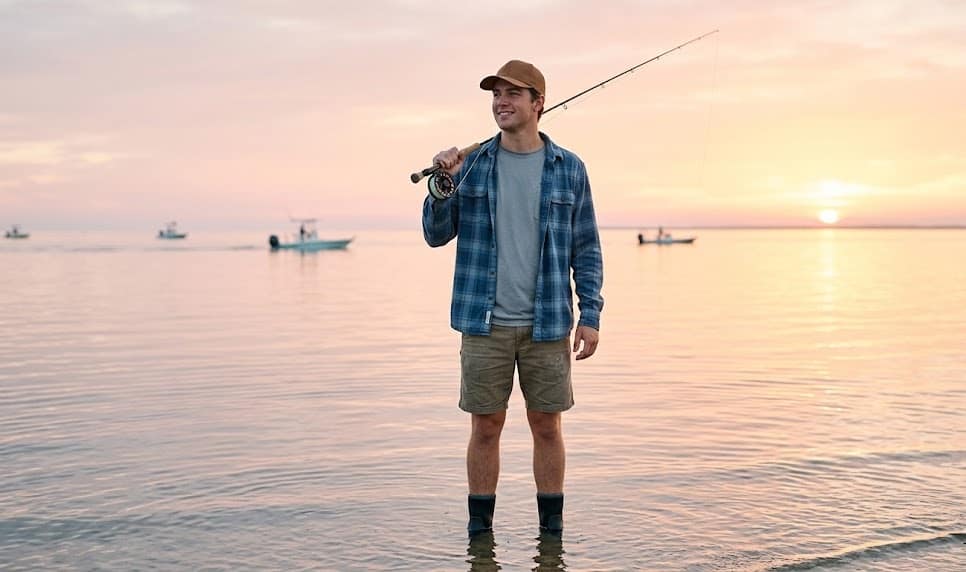
On one hand, Texas has the resources to support a large number of tournaments—diverse bays, strong fish populations, and a deep pool of participants.
On the other hand, there are limits:
- Too many events in one region can reduce participation per tournament
- Increased pressure can affect fish behavior and long-term patterns
- Scheduling conflicts can force anglers to choose between events
So far, the system is holding. Events are spreading geographically, and anglers are adjusting their schedules accordingly. But maintaining that balance will be key moving forward.
A More Competitive And More Accessible Future
What’s emerging in 2026 is a tournament landscape that is both more competitive and more accessible than ever before.
More events mean more opportunities to enter the sport. At the same time, deeper fields and evolving strategies mean winning is becoming more difficult.
This dual effect is shaping the future of Texas fishing:
- New anglers can enter more easily
- Experienced anglers must work harder to stay ahead
It’s a system that rewards both participation and progression.
The New Reality Of Texas Tournament Fishing
The growth of fishing tournaments in Texas isn’t slowing down—it’s becoming the new normal.
With more than 300 events shaping the calendar, the state has built one of the most active competitive fishing environments in the country. And along the coast, redfish tournaments remain at the center of that expansion.
For anglers, this means more choices, more competition, and more opportunity.
But it also means one thing above all else: the margin for success is getting smaller, and the standard for winning is getting higher.
That’s the tradeoff of growth—and in Texas, it’s one the fishing community is clearly willing to embrace.