
For decades, Texas Parks and Wildlife Department (TPWD) biologists have relied on one of the most consistent tools in coastal fisheries science: gill-net sampling. Quietly conducted across major bays, these surveys have helped track adult redfish populations, providing the backbone for management decisions that have shaped one of the healthiest red drum fisheries in the Gulf.
In 2026, that system is facing new uncertainty.
A federal dispute involving protected species concerns—particularly interactions with dolphins and sea turtles—has put pressure on the continued use of gill nets in Texas coastal waters. While the issue is still evolving, the implications are already being felt in the conversation around how redfish populations are measured, managed, and protected moving forward.
For anglers, it raises a critical question: what happens when the data behind the fishery becomes less certain?
Why Gill-Net Sampling Matters For Redfish Management
Gill nets are not widely discussed in everyday fishing conversations, but they play a critical role in fisheries science.
Unlike rod-and-reel surveys or creel counts, gill nets allow biologists to sample adult redfish populations at scale, particularly larger fish that are less likely to be captured in other monitoring programs. These surveys help answer key questions:
- How many mature redfish are in a given bay system
- How populations change year over year
- Whether current regulations are effectively sustaining the fishery
This data feeds directly into management decisions, including slot limits, bag limits, and long-term conservation strategies.
Without it, regulators are forced to rely on less precise methods—something that could affect both policy and angler experience over time.
The Federal Dispute And Its Core Concerns
The current dispute stems from federal oversight tied to marine mammal protection and endangered species regulations. Gill nets, while effective for sampling, can occasionally interact with non-target species such as bottlenose dolphins or protected sea turtles.
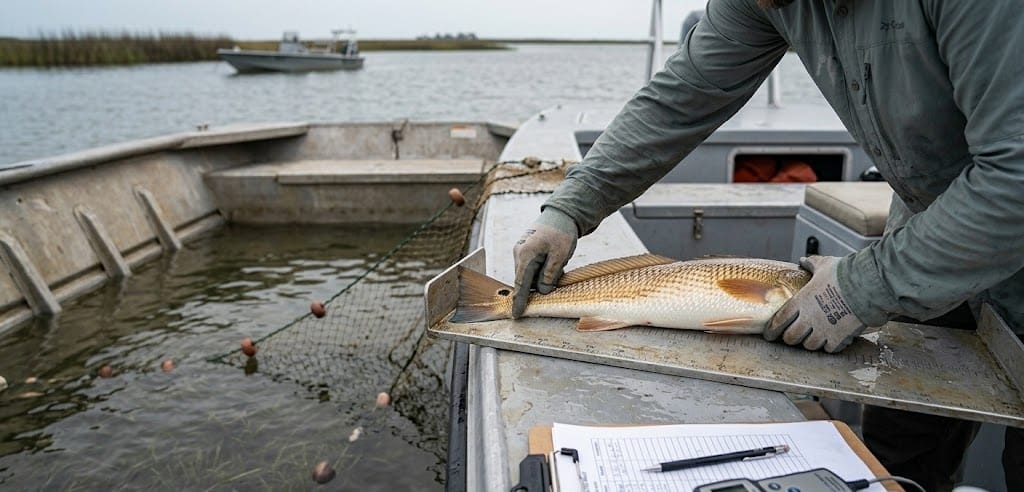
Federal agencies, including NOAA, have raised concerns about these interactions, prompting increased scrutiny of how and where gill nets are deployed.
The issue is not new, but in 2026 it has escalated into a more formal conflict over compliance and environmental impact. This has led to:
- Potential restrictions on gill-net use in certain areas
- Increased monitoring requirements
- Ongoing discussions between state and federal authorities
The challenge is balancing two priorities: protecting vulnerable species while maintaining reliable data collection for fisheries management.
What Happens If Gill-Net Sampling Is Reduced
If restrictions significantly limit gill-net use, the immediate impact will be a reduction in high-quality population data—particularly for adult redfish.
That creates a gap.
Without consistent sampling, it becomes harder to:
- Track long-term population trends
- Detect early signs of decline or overpressure
- Adjust regulations proactively
For anglers, this doesn’t mean redfish will suddenly disappear. But it does introduce uncertainty into the system that has kept the fishery stable for decades.
In practical terms, management decisions could become more conservative, erring on the side of caution when data is incomplete.
Alternative Monitoring Methods Under Consideration
TPWD and partner organizations are not without options. In response to the dispute, biologists are exploring alternative methods to maintain data continuity.
These include:
- Tagging programs that track redfish movement and survival
- Acoustic telemetry to monitor fish behavior across bay systems
- Expanded angler-reported data through digital platforms
Each method has strengths, but none fully replace the efficiency of gill nets when it comes to sampling adult populations at scale.
This is where the situation becomes complex. The future of redfish management may depend on integrating multiple data sources rather than relying on a single method.
How This Affects Texas Redfish Fishing Right Now
In the short term, the impact on anglers is subtle. The redfish population across Texas remains strong, supported by decades of effective management and conservation.
However, the uncertainty around data collection is already influencing how experts think about the future.
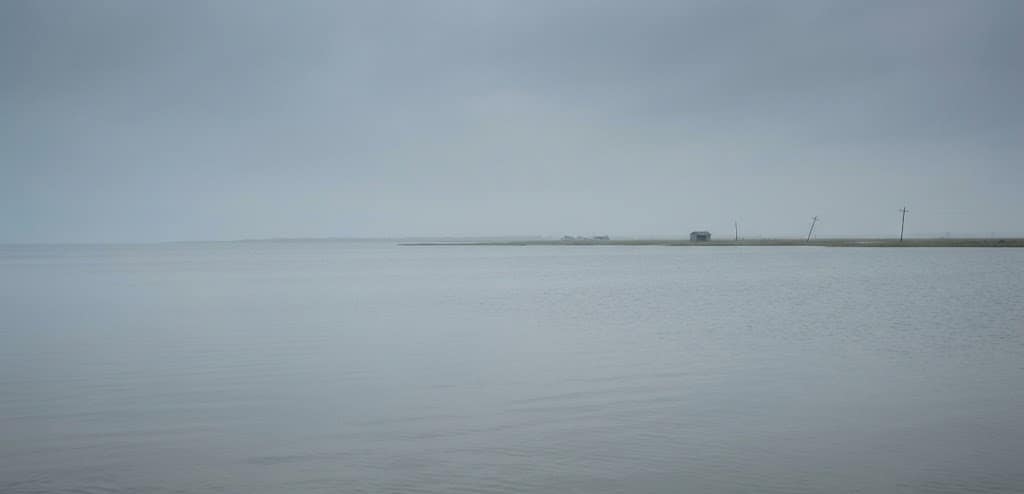
In heavily fished areas, particularly those discussed in the Port Aransas tournament ecosystem, consistent monitoring is critical to ensuring that increased fishing pressure does not outpace population resilience.
If data becomes less reliable, adjustments to regulations could follow—potentially affecting:
- Slot size limits
- Daily bag limits
- Seasonal restrictions
These changes wouldn’t happen overnight, but they become more likely in a less certain data environment.
The Balance Between Conservation And Data Collection
At the heart of the gill-net dispute is a broader question: how do you balance conservation priorities when they appear to conflict?
On one side, there is the need to protect marine mammals and endangered species from accidental interaction. On the other, there is the need for accurate data to manage fisheries effectively.
Both are valid—and both are essential.
Texas has historically been a leader in balancing these priorities, building one of the most successful redfish management programs in the country. The current challenge is finding a way to maintain that success while adapting to new regulatory realities.
A System That Has Worked—And Now Must Evolve
The success of Texas redfish fishing didn’t happen by accident. It’s the result of decades of data-driven management, supported by tools like gill-net sampling.
That system has delivered:
- Strong redfish populations across multiple bays
- Consistent tournament-quality fisheries
- Long-term sustainability in a high-pressure environment
Now, in 2026, that system is being tested.
Change is likely—but not necessarily negative. The shift could lead to more advanced, less invasive monitoring techniques that improve both conservation outcomes and data quality over time.
What Anglers Should Be Watching Moving Forward
For coastal anglers, the key is awareness. This isn’t a situation that will be resolved overnight, and its effects will unfold gradually.
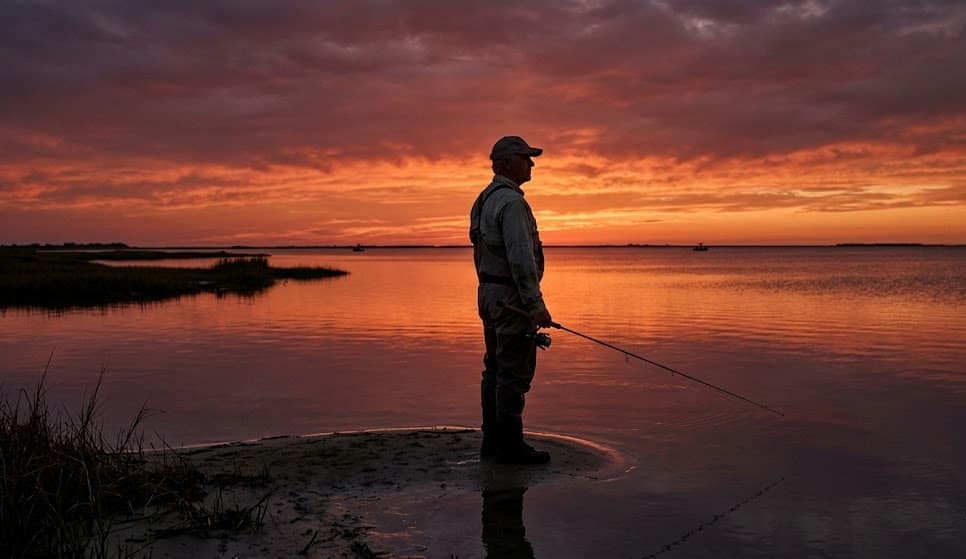
Things to watch include:
- Updates from TPWD on monitoring programs
- Potential regulatory adjustments tied to new data models
- Increased emphasis on angler participation in data collection
The role of anglers may become more important than ever. As traditional data sources face pressure, on-the-water observations and reporting could help fill critical gaps.
A Defining Moment For Texas Redfish Management
The federal gill-net dispute represents more than a technical disagreement—it’s a turning point.
Texas has navigated complex challenges before, from overfishing in the 1980s to habitat loss in recent years. Each time, the system has adapted.
It highlights how interconnected the system is. Habitat, conservation policy, data collection, and angler behavior all feed into the same outcome: the health of the redfish fishery.
In 2026, it will need to do so again—this time by rethinking how data is collected, how regulations are shaped, and how the balance between conservation and access is maintained.
For anglers, the fish are still there. The patterns are still working. But beneath the surface, the framework that supports it all is evolving.
And how that evolution plays out could define the next chapter of redfish fishing in Texas