
Across the Texas coast, tournament weigh-ins are getting louder, boat ramps are getting fuller, and entry lists are closing faster than ever. In 2026, it’s clear that competitive angling—especially inshore redfish tournaments—is experiencing a measurable surge in participation, but the story goes deeper than simple growth.
What’s happening isn’t just more anglers entering events. It’s a shift in who is competing, how they’re preparing, and why they’re showing up in the first place. From Port Aransas to Sabine Lake, the modern tournament field is becoming more diverse, more strategic, and more connected than at any point in Texas fishing history.
The New Profile Of The Texas Tournament Angler
The traditional image of tournament fishing—a small group of seasoned locals with decades of experience—is being reshaped. In 2026, you’ll find a mix that includes:
- Young anglers raised on digital mapping and social media
- Weekend competitors transitioning into semi-pro circuits
- Former freshwater tournament anglers entering the redfish scene
- Content creators blending competition with media exposure
This shift has expanded the competitive base. Many newer anglers aren’t just entering for the prize money—they’re entering for the experience, the exposure, and the opportunity to build a presence in the fishing world.
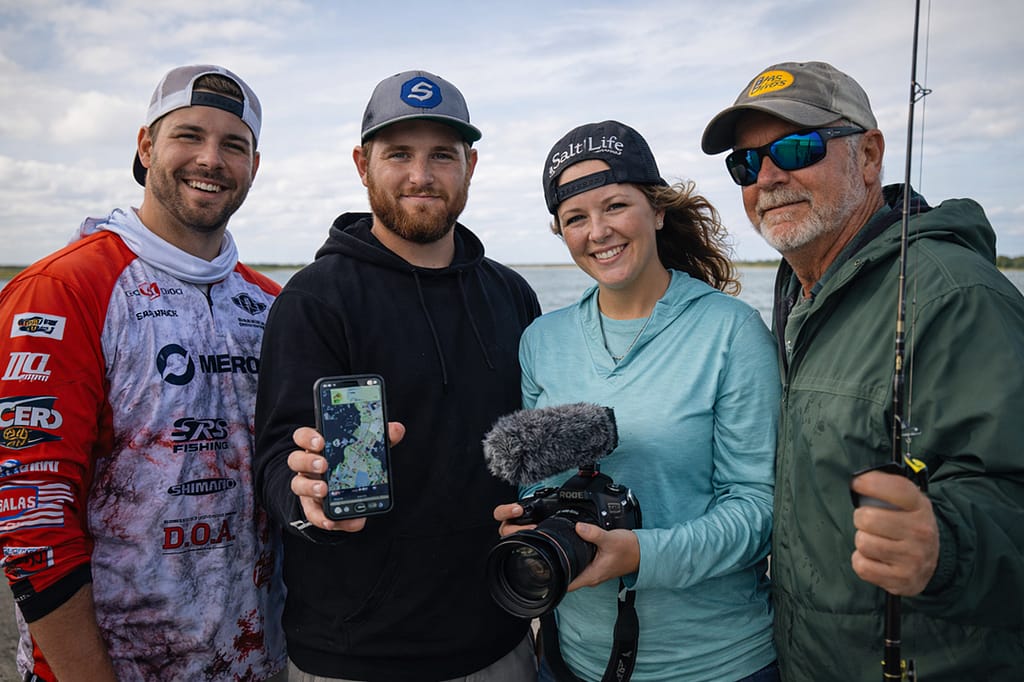
At the same time, veteran anglers haven’t disappeared—they’ve adapted. The result is a multi-generational field where experience meets modern efficiency, creating tighter competition across the board.
Why Redfish Tournaments Are Leading The Boom
While tournament fishing is growing across multiple species, redfish events remain at the center of the Texas surge. There are a few key reasons for that dominance.
First, accessibility. Redfish tournaments typically operate in nearshore and bay systems, allowing anglers with a wide range of boat setups to compete.
Second, consistency. Texas redfish populations remain among the healthiest in the Gulf, providing reliable opportunities for competitive fishing. According to NOAA fisheries data, red drum stocks across the Gulf Coast continue to show strong stability, supporting both recreational and competitive pressure.
Third, format simplicity. Slot limits, live weigh-ins, and catch-photo-release formats have made redfish tournaments easier to manage while maintaining competitive integrity.
These factors combine to create a system where growth is sustainable—not just a temporary spike.
The Role Of Media And Visibility In Modern Tournaments
One of the biggest drivers behind the participation boom is visibility. Tournament fishing in Texas is no longer confined to the docks—it’s online, on social platforms, and increasingly integrated into outdoor media.
Anglers are now:
- Sharing pre-fishing strategies
- Posting real-time tournament updates
- Building personal brands around competition
This shift has turned tournaments into both sporting events and content opportunities, attracting participants who might not have entered traditional circuits in the past.
It also raises the stakes. With more eyes on each event, performance matters not just for standings—but for reputation.
How Tournament Structures Are Adapting
As participation grows, tournament organizers are being forced to evolve. Larger fields mean more logistical complexity, but they also create opportunities for innovation.
In 2026, several trends are shaping tournament formats:
- Expanded multi-day events to handle larger entries
- Tiered divisions to accommodate different skill levels
- Increased use of digital scoring and verification systems
These adjustments are helping maintain competitive integrity while scaling up operations. They also reflect lessons learned from recent high-profile events, including those highlighted in the Port Aransas tournament surge coverage, where rapid growth required more structured planning and execution.
The Economics Behind The Growth
The financial side of tournament fishing is also evolving. While entry fees and payouts remain central, the broader ecosystem is expanding.
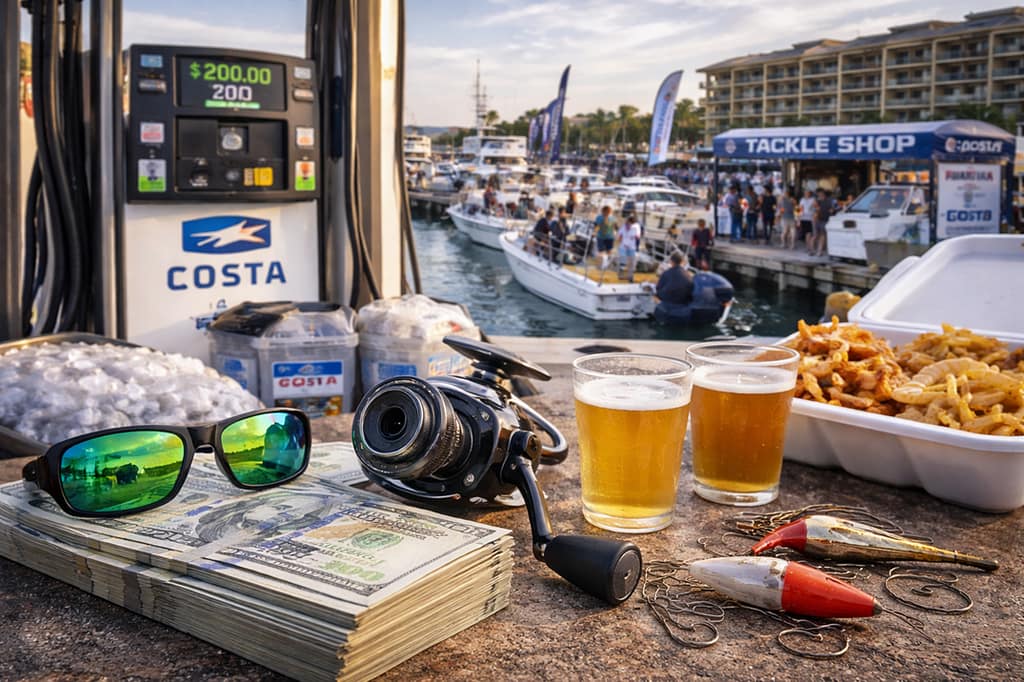
Local economies benefit significantly from tournament weekends—fuel, lodging, food, tackle, and marina services all see increased demand. But beyond that, sponsorship opportunities are growing as brands recognize the value of tournament exposure.
For anglers, this creates new pathways:
- Sponsorship-backed teams
- Brand partnerships tied to performance
- Media-driven income streams
This economic layer is helping transform competitive fishing from a hobby into something closer to a semi-professional pursuit for a growing number of participants.
Participation Trends Across Key Texas Bays
Different regions are experiencing the boom in unique ways, depending on access, fishery health, and tournament infrastructure.
| Region | Participation Trend | Key Factors |
|---|---|---|
| Port Aransas | Rapid growth | Major events, strong infrastructure |
| Matagorda Bay | Steady increase | Habitat diversity, expanding circuits |
| Galveston Bay | Rebound growth | Improved water quality, accessibility |
| Laguna Madre | Competitive depth | Clear water, sight-fishing appeal |
Each of these regions contributes to the overall expansion, but Port Aransas continues to act as the anchor point—drawing both major events and national attention.
Technology, Data, And The Competitive Edge
Another major factor driving participation is the accessibility of technology. Tools that were once reserved for elite anglers are now widely available, allowing newer competitors to shorten the learning curve.
At the same time, this accessibility is fueling the ongoing debate around fairness and competitive balance. As discussed in the evolving landscape of tournament technology rules, anglers are navigating a system where innovation must coexist with regulation.
The result is a more level—but more intense—playing field, where success depends on how effectively anglers combine:
- Data-driven insights
- On-the-water decision-making
- Adaptability under pressure
What This Boom Means For The Future Of Texas Fishing
The growth of tournament participation in 2026 isn’t just a moment—it’s a signal. Competitive angling in Texas is entering a new phase, one defined by expansion, innovation, and cultural relevance.
For the redfish fishery, this means increased pressure—but also increased awareness. More anglers engaged in tournaments often translates to stronger advocacy for conservation, habitat protection, and responsible management.
For the anglers themselves, it means opportunity. Whether chasing trophies, payouts, or personal milestones, the path into competitive fishing has never been more accessible—or more competitive.
And for the Texas coast as a whole, it reinforces something that’s been building for years: tournament fishing is no longer a niche—it’s a defining part of the region’s outdoor identity.