
Lone Star Bass stocking in the North Sulphur River became one of the first clear fishing storylines tied to Lake Ralph Hall’s early filling period. In July 2026, Texas Parks & Wildlife introduced exactly 50,000 fingerlings into the North Sulphur River channel inside the reservoir’s footprint, according to North Texas e-News. As of September 28, 2026, that work had already happened, so the best way to read the news is as an early fishery-building step rather than an invitation to fish a newly opened lake.
For bass anglers, the key detail is location. The fish were placed in the river channel that lies within Lake Ralph Hall’s footprint, not into a fully open lake. That matters because the reservoir began filling in early July 2026, while public fishing access still depends on the lake reaching sufficient water levels and safe access conditions. The stocking put bass into the system before the broader public fishing stage, giving the fishery a foundation while the lake continues to develop.
Why Lone Star Bass Stocking Matters
A July 2026 Stocking With A Clear Target
The July stocking was not a random release. It was tied to Lake Ralph Hall’s early development and focused on establishing a future bass fishery. The North Sulphur River channel offers the initial water body within the lake’s footprint while the reservoir continues filling. For a new reservoir, that timing matters because fisheries managers can begin building fish populations before the lake reaches the point where public angling pressure begins.
The reported number, 50,000 fingerlings, gives anglers a concrete marker. It does not guarantee a catch rate, a size class, or a calendar for quality fishing. Those outcomes depend on growth, survival, forage, habitat, water levels, and future management decisions. What the stocking does confirm is that TPWD has already placed bass into the system as part of the work to build a fishery for Lake Ralph Hall.
How Lone Star Bass Fit The Lake Plan
Lone Star Bass are Florida-strain largemouth bass, described by TPWD as second-generation offspring of pure Florida strain ShareLunker largemouth bass that have proven to grow to at least 13 pounds, according to the TPWD annual report. That definition is useful because it keeps the conversation grounded. These are largemouth bass selected through an established hatchery and stocking program, not a separate species or a marketing label without a management meaning.
For bass anglers, the Lone Star Bass label points to long-term potential, but the July release should still be viewed in the right time frame. Fingerlings are the starting point of a fishery, not the finished product. The sports angle is less about immediate catches and more about how a new reservoir’s bass base begins. Lake Ralph Hall is being set up with stocked fish, forage support, and infrastructure work before full public fishing access arrives.
How Forage Stocking Supports The Bass Plan
Sunfish And Shad Are Part Of The Same Story
The bass stocking did not stand alone. The same Lake Ralph Hall updates described ongoing stocking efforts that also included sunfish and shad, aimed at building a forage base to support the new bass population. For anglers who think about reservoir development like player development in team sports, that detail is central. A bass fishery needs more than predator fish. It needs a food chain that can support growth over time.
Sunfish and shad help create the conditions that young bass need as they move beyond the fingerling stage. The research does not give a complete count for those forage stockings, so it would be wrong to add unsupported numbers. What is confirmed is the management direction: TPWD’s work included forage species along with bass, with the goal of supporting the new population as Lake Ralph Hall continues to fill.
What Anglers Can And Cannot Read From The Report
The stocking tells anglers that fishery development has started. It does not tell anglers that the lake is ready for a tournament schedule, club trips, or routine public bass fishing. As of September 28, 2026, Lake Ralph Hall’s public fishing opening still depended on water levels and safe access conditions. That distinction is worth respecting because new-reservoir excitement can move faster than the lake itself.
From a fishing analysis standpoint, the best confirmed takeaway is that the North Sulphur River channel has become the first stage for bass establishment inside the reservoir footprint. Bass anglers can track the project as a developing venue, but they should avoid treating July’s stocking as a near-term catch forecast. No confirmed public fishing date or catch expectation was provided in the research.
Lake Ralph Hall Infrastructure And Angler Access
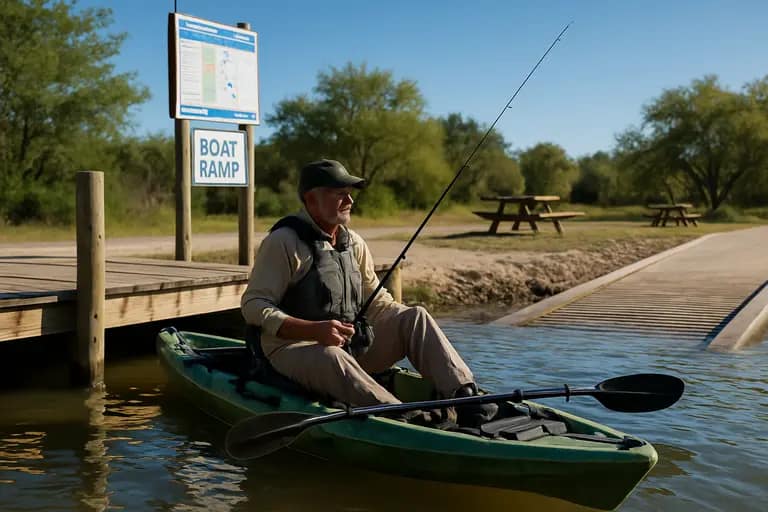
Filling Began After Key Spillway Work
Lake Ralph Hall began filling in early July 2026, and the updates noted that spillway work, including the top section and a 13-foot labyrinth weir, had recently been completed. Those construction details matter to anglers because water level, safe access, and completed facilities all shape when a reservoir can move from project status toward public fishing use.
For the local fishing community, this is the waiting-room stage. The fishery has been seeded, the reservoir has begun holding water, and the access question remains tied to safe and sufficient conditions. That means the most useful angler behavior right now is to follow official updates rather than rely on dock talk or social posts that may not separate confirmed access from hope.
Community Interest Starts Before The First Cast
New reservoirs create more than fishing chatter. They affect local travel patterns, family outdoor plans, tackle purchases, youth fishing interest, and the way nearby communities connect with public water. Bass fishing tends to build community early because club anglers, bank anglers, boat owners, and conservation-minded families all watch the same milestones.
That community angle is why stocking reports matter even before a lake opens for routine fishing. They give local anglers a factual point of reference. They also help set realistic expectations: first, build the fishery; then, let the reservoir reach the conditions needed for safe access. Readers who want to explore how fishing ties into regional motorsports and related community stories can find more at Triple T Powersports.
- Confirmed stocking: 50,000 bass fingerlings in July 2026.
- Confirmed location: North Sulphur River channel within the Lake Ralph Hall footprint.
- Confirmed agency: Texas Parks & Wildlife.
- Confirmed support work: sunfish and shad stockings to help build forage.
- Access status as of September 28, 2026: public fishing awaited sufficient water levels and safe access conditions.
What Lone Star Bass Means For North Sulphur Anglers
A Measured Start For A Future Fishery
The North Sulphur River stocking gives bass anglers a measured reason to watch Lake Ralph Hall. It confirms that TPWD has begun building the fish side of the reservoir while the lake continues filling. That is meaningful for local anglers, but the supported facts call for patience. A stocking report is not the same thing as an opening notice, and fingerlings need time and habitat to become a fishable population.
The sports value is in the long view. New bass water changes local angling calendars once access is open and conditions support fishing pressure. It can give youth anglers another place to learn, tournament clubs another possible venue, and conservation groups another project to follow. None of that should be presented as already happening at Lake Ralph Hall, because the confirmed status points to a fishery under development.
For now, the Lone Star Bass story at Lake Ralph Hall is clear and encouraging without needing exaggeration. Fifty thousand fingerlings were stocked in July 2026, forage work was part of the same effort, and the reservoir had started holding water. The next responsible step for anglers is to track official access updates and treat the North Sulphur River channel stocking as the first chapter of a bass fishery that is still being built.