
The Bolivar Fishing Pier has become one of the most watched coastal access projects in Southeast Texas because it sits at the meeting point of fishing tradition, public access, storm recovery, and local business pressure. The new Gulf-side pier near the former Rollover Pass in Gilchrist was planned as a major replacement amenity after the old pass closed, but its opening has moved beyond the original July 2026 target. As of September 28, 2026, the confirmed contract extension runs to December 24, 2026, and the most recent project window points to late 2026 or early 2027 rather than a fixed opening day.
Bolivar Fishing Pier Timeline And Access
Bolivar Fishing Pier Delay Details
Construction began in mid-March 2025 under a 15-month contract that initially aimed for completion in July 2026. The schedule later shifted after Hurricane Beryl, which struck in July 2024, caused widespread damage and a work delay. The Houston Chronicle reported that the nearly $32 million project, funded and overseen by the Texas General Land Office, received an official contract extension to December 24, 2026 Houston Chronicle report.
That date matters for anglers, bait shops, guides, and weekend visitors because it resets expectations. A pier opening is not just a ribbon-cutting for this community. It changes where people park, where families fish, where bait is bought, and how visiting anglers plan a Bolivar Peninsula trip. For now, the safest reading is that the work remains in the late-2026 to early-2027 window, with no confirmed public opening date in the research.
What The New Gulf-Side Site Adds
The planned pier is about 1,000 feet long, T-shaped, ADA-accessible, and designed with nightly lighting. Reported on-site amenities include a bait shop, fish-cleaning station, vendor area, visitor parking, and a dune walkover. Those details matter because they place the project closer to a full fishing destination than a simple walkway over the surf.
For anglers, a Gulf-side platform gives access to water that shorebound visitors cannot always reach safely or comfortably. A T-shaped layout can spread out anglers and create more casting lanes, which is no small thing during strong seasonal runs or holiday traffic. Lighting also changes the rhythm of use by supporting night fishing, though anglers will still need to follow posted rules, weather alerts, and any operating hours once they are announced.
Why The Rollover Pass Closure Still Shapes The Debate
A Three-Generation Fishing Spot Was Lost
The original Rollover Pass was officially closed in September 2019, and the closure still carries weight along the peninsula. Local anglers had treated the pass as a three-generation fishing place. It was not only a cut through land; it was a familiar stop for families, bank anglers, weekend regulars, and visitors who built routines around tides, bait, and easy access.
The Texas General Land Office says the project area is tied to the former Rollover Pass site, with Gulf-side pier access and Bayside Park planned on the old pass site bayside GLO Rollover Pass page. That split is central to understanding the community reaction. The new facility may provide major access, but it will not duplicate the exact pass experience that many anglers remember.
Why Officials Supported Closing The Pass
The closure was tied to environmental and safety concerns reported in the research. Rollover Pass had been associated with chronic erosion, sediment buildup in East Bay and the Gulf Intracoastal Waterway, and repeated dredging costs estimated at roughly $600,000 to $1 million annually. The pass also raised concerns tied to State Highway 87, a key evacuation route for the peninsula.
That is the hard part of the story. Anglers lost a deeply familiar fishing location, while state officials pointed to coastal protection, sediment, and road risk. The Bolivar Fishing Pier sits in that tension. It is both a replacement access project and a reminder that the old pattern of fishing the pass is gone.
Community And Business Impact Around Gilchrist
Fishing Traffic Drives Local Stops
Fishing access is local business infrastructure on Bolivar Peninsula. When anglers head to a known spot, they often buy bait, ice, fuel, food, tackle, and last-minute gear. The loss of Rollover Pass reduced that steady foot traffic for some businesses that had relied on fishermen visiting the area. The delayed pier means that expected replacement traffic has not arrived on the original July 2026 schedule.
For a small coastal community, timing matters. Summer weekends, holiday periods, and seasonal fishing windows can carry real weight for vendors and service businesses. A delay from July 2026 into late 2026 or early 2027 shifts potential fishing tourism away from a prime summer period and into a less certain window. The research does not provide sales figures or business-by-business losses, so those numbers should not be guessed. What can be said is that public fishing access and local spending are linked on the peninsula.
Why Some Anglers Remain Unsure
Some community members feel the new pier will not replace the same fishing experience that Rollover Pass offered. That view is easy to understand from an angler’s seat. A pass, with moving water between bay and Gulf systems, fishes differently than a Gulf-side pier. Currents, bait movement, bottom structure, wind exposure, and crowd flow are all different.
Still, the pier can serve a real access need if it opens with reliable parking, safe walkways, fish-cleaning options, and clear rules. Families with children, older anglers, visitors without boats, and people with mobility needs may benefit from ADA-accessible design. Readers who follow coastal recreation, trailer travel, and outdoor gear across our network can also find related coverage through Triple T Powersports website.
How Anglers Should Plan Around The Delay
Do Not Treat The Opening Date As Set
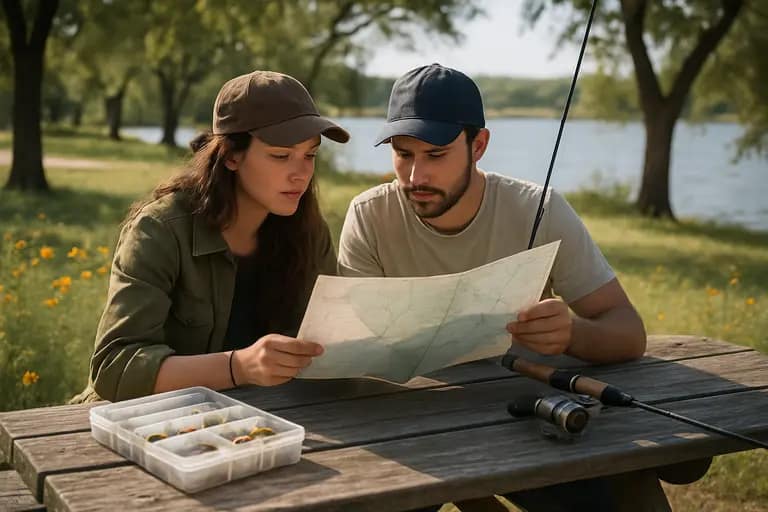
As of September 28, 2026, the responsible planning point is the December 24, 2026 contract extension and the late-2026 or early-2027 opening window. Anglers should not build a trip around a specific opening date until officials announce one. That is especially true for families traveling from Houston, Beaumont, Galveston, or farther inland for a weekend centered on the new pier.
The best short-term plan is to treat the Bolivar Fishing Pier as a project to monitor, not an active fishing option. Visitors can still plan Bolivar Peninsula fishing trips, but they should confirm public access points, beach conditions, bait availability, weather, ferry delays, and local rules before leaving home. For anglers tracking the schedule closely, our related update on the year-end Bolivar pier window breaks down the December 24, 2026 contract marker.
What To Watch Before The First Cast
Once the pier opens, the first weeks may bring heavy curiosity traffic. Anglers should watch for official details on parking, fees if any are announced, hours, lighting rules, bait shop operations, vendor setup, fish-cleaning station access, and ADA routes. The research confirms planned amenities, but it does not confirm final operating rules.
- Confirm the public opening date through official project channels before planning a pier-first trip.
- Check weather, surf, and access conditions because Gulf-side fishing can change quickly after fronts and storms.
- Bring a backup fishing plan on Bolivar Peninsula if the pier is not open or access is limited.
- Watch for posted rules on lighting, cleaning tables, parking, and vendor areas once operations begin.
Good planning is not just about convenience. It helps reduce parking pressure, keeps families from arriving to a closed site, and gives local businesses a clearer sense of when fishing traffic may return.
Bayside Park And Wider Recreation Plans
More Than A Single Pier
The pier is part of a wider recreational plan around the former pass area. Research notes that the plan includes Bayside Park, walking trails, a birdwatching tower, a kayak-rental kiosk, and renovations to the Lauderdale Boat Ramp and Dock. That mix points to a broader public-access model: fishing on the Gulf side, paddling and birding on the bayside, and improved boating support nearby.
For the community, that matters because different users support different parts of the local economy. Pier anglers may buy bait and tackle. Birders may spend more time around trails and observation areas. Kayak users may need rentals, launches, parking, and safety information. Boat ramp improvements can help local and visiting boaters, though the research does not provide final completion dates for every related feature.
Storm And Shoreline Risk Remain Part Of The Setting
The peninsula remains exposed to shoreline erosion, storm surge, and highway access concerns. The research notes local sea-level rise estimates near 6 millimeters per year and the possibility of more washover events. Those risks do not cancel the value of the project, but they do explain why schedule, design, maintenance, and emergency access all matter.
Anglers know the coast gives and takes. A new pier can expand access, but it sits in a place shaped by storms, tides, sand movement, and road vulnerability. That is why the delayed schedule should be viewed not only as a construction issue, but as part of the larger challenge of building durable fishing access on the Texas coast.
Bolivar Fishing Pier Community Impact
The Bolivar Fishing Pier delay has left anglers waiting longer for a major public fishing platform near one of the most meaningful access points on the Bolivar Peninsula. The project promises a long, lighted, ADA-accessible Gulf-side pier with support amenities that could bring visitors back to Gilchrist and give shorebound anglers a new place to fish. At the same time, it cannot fully recreate the old Rollover Pass experience, and that reality should be respected in any fair assessment.
The confirmed timeline as of September 28, 2026, is clear enough for planning but not final enough for trip certainty. Construction started in mid-March 2025, the original July 2026 target passed, and the contract extension now runs to December 24, 2026. The public should treat late 2026 or early 2027 as the working opening window until officials give a fixed date.
For local anglers, the best move is patience paired with preparation. Track official updates, keep backup access plans ready, and support peninsula businesses during the wait where possible. For the community, the pier remains a high-stakes access project: part fishing venue, part tourism driver, and part promise that public coastal recreation still has a place where Rollover Pass once defined the rhythm of the shoreline.