
Lake Ralph Hall fishing is not open to the public yet, but the sport side of the project became much more real in July 2026. That month, the lake officially began holding water after the top section of the spillway was completed, including a 13-foot labyrinth weir, which allowed the intake gates to close. For anglers who follow North Texas water like coastal folks follow a tide chart, that was the first clear sign that this future fishery has moved into a new phase.
Why Lake Ralph Hall Fishing Is Still A Patience Play
Lake Ralph Hall Fishing Timeline For Anglers
The confirmed timeline still calls for patience. Construction began in mid-2021, and the dam is expected to be completed in late 2026. After that, the lake may take 3 to 5 years to fill, depending on rainfall, before public recreation can open. The project FAQ says fishing, boating, and other recreation will open only after the lake is sufficiently filled and safe for public use, according to the Lake Ralph Hall FAQ.
That matters for anglers because a new reservoir is not just a ribbon-cutting story. It is a venue-development story. Water level, access readiness, fish growth, forage base, and safety all have to line up before a public fishery can carry regular pressure. As a redfish angler, I think about that the same way I think about a new marsh drain after a storm: the water being there is only the start. The sport comes later, when the habitat, bait, and fish behavior settle into a usable pattern.
What Changed In July 2026
In early July 2026, Lake Ralph Hall began holding water after work on the spillway’s top section reached the point needed to close the intake gates. The same update reported that the SH 34 trailhead parking lot, with about 22 spaces, had opened, giving the public a limited access point tied to the broader trail system rather than fishing access. North Texas e-News also reported that Texas Parks and Wildlife Department stocked 50,000 Lone Star bass fingerlings in the North Sulphur River channel within the future lake bed, with plans to add sunfish and shad to support the developing fish population, according to North Texas e-News.
That July 2026 stocking note is the strongest confirmed fishing update for anglers watching the project. It does not mean the lake is ready for boats, weigh-ins, or weekend bank traffic. It means fisheries work has begun inside the future footprint while the larger construction and fill timeline continues.
Stocking Updates Shape The Future Fishery
Bass Came First In The Confirmed Update
The Lake Ralph Hall fishing outlook starts with bass because TPWD’s July 2026 stocking placed 50,000 Lone Star bass fingerlings in the North Sulphur River channel within the lake’s future bed. The project plan also includes genetically enhanced Florida largemouth bass through the Toyota ShareLunker Program. For North Texas anglers, that is a clear signal that largemouth bass are central to the long-term sport plan.
Still, confirmed stocking does not guarantee a finished fishery on a set date. Fingerlings need time, water, forage, and survivable habitat. Anglers who are used to mature lakes sometimes skip that middle part, but the middle part is where a future fishery is built. The first public season, whenever it arrives after the lake is full and safe, will be shaped by decisions being made now.
Forage And Multi-Species Plans
The planned species list is broader than bass. Project information says TPWD plans to stock black and white crappie, channel and blue catfish, sunfish, bluegill, threadfin shad, and gizzard shad. That mix matters because sport fish need forage and because public lakes serve more than one style of angler. Some families will want bluegill action from a bank. Some boaters will target crappie. Catfish anglers will look for dependable structure and accessible water. Bass anglers will watch every stocking note and water-level update like tournament anglers checking a weigh-in board.
For tournament-minded anglers, Lake Ralph Hall fishing will be worth tracking because early reservoir development can set the tone for years. That does not make it a tournament lake yet. No public fishing opening has been announced in the research provided. The fair read is narrower and stronger: the stocking plan shows a multi-species public fishery is being built, but the public fishing clock has not started.
Access Work Matters Before The First Cast
Trailhead Progress And Boat Ramp Plans
Access is part of the sport story because anglers cannot fish what they cannot safely reach. Public amenities listed for the project include three public boat ramps, a fishing jetty, walking trails, a Visitor Center, a SH 34 Bridge with a pedestrian trail, and trailhead parking. The SH 34 trailhead lot has opened with about 22 parking spaces, but that should not be confused with an open fishing season.
That distinction is important for community planning. A parking lot opening can help walkers and visitors understand the project area, while boat ramps and a fishing jetty speak to the eventual angling plan. Those are different stages. North Texas anglers should treat Lake Ralph Hall as a developing venue, not an available weekend fishing option.
Why Safety Controls The Opening Date
The project’s public-access message is direct: recreation opens only when the lake is sufficiently filled and safe. That is the right standard. Launch lanes, banks, ramps, parking, trails, and emergency access all matter before anglers bring families, kayaks, bass boats, or bank gear. Anyone who has fished a low reservoir knows that water level can decide whether a ramp is useful or dangerous.
Boaters following the buildout can keep a practical eye on future access needs, and our same-network outdoors resource Triple T Powersports seamlessly joins the discussion on Texas motorsports, towing vehicles, and equipment considerations. For now, though, the responsible fishing answer is simple: watch the confirmed project updates and do not treat the lake as open before officials say it is ready.
How North Texas Anglers Can Read The Buildout
A New Venue For Measured Expectations
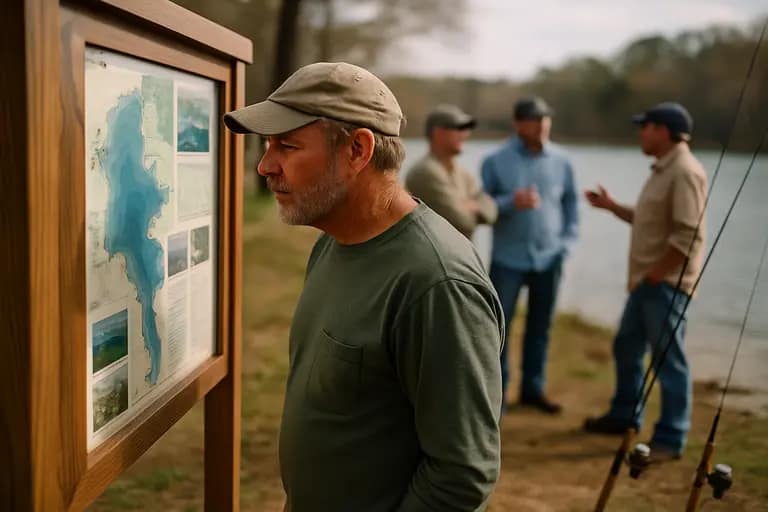
New water always stirs the fishing crowd. That is true on the coast when a cut changes, and it is true inland when a reservoir begins holding water. The difference here is that the timeline is public and cautious. The lake began holding water in July 2026, the dam is expected to be completed in late 2026, and public recreation may still be 3 to 5 years away depending on rainfall.
That gives anglers time to study the confirmed pieces without making claims the project has not earned. The confirmed pieces include water now being held, a major bass stocking in July 2026, planned forage additions, a broader species plan, and public access features in development. The unconfirmed piece is the opening date for public fishing. Until that date is announced by the proper officials, it should remain an unknown.
Community Value Beyond Opening Day
Fishing communities are built before the first weigh-in. They form when families learn access points, when local clubs begin watching water levels, when youth anglers hear that a future lake will have bank and boat opportunities, and when agencies build a fishery with a long view. That is why the Lake Ralph Hall project has already become part of the North Texas outdoor conversation.
The same community pattern shows up across Texas in clinics, local tournaments, and youth-friendly fishing days. Readers tracking how public access feeds participation can see a related angle in our coverage of family fishing events, where the point is not only competition but building the next wave of anglers. Lake Ralph Hall is not hosting those fishing days yet, but its access plan and species plan point toward that kind of future public use once conditions allow.
Lake Ralph Hall Fishing In North Texas
The Confirmed Takeaway For Anglers
The confirmed Lake Ralph Hall fishing story on September 28, 2026, is progress with limits. The lake began holding water in July 2026. A 50,000-fingerling Lone Star bass stocking took place in the future lake bed. Plans include sunfish and shad support, along with future stockings of crappie, catfish, bluegill, threadfin shad, gizzard shad, and genetically enhanced Florida largemouth bass. Public amenities are planned, and one SH 34 trailhead parking lot has opened. Public fishing has not opened.
That is enough to matter to anglers, but not enough to rush the timeline. The best read is disciplined optimism. North Texas is getting a major new water body with a clear fisheries plan, but the lake still needs time to fill, settle, and meet safety standards. For now, Lake Ralph Hall fishing belongs in the scouting notebook rather than on the weekend launch list. The work happening now is the foundation for the first real casts later.