
Practice schedules are not just blocks on a calendar. For teams, athletes, tournament directors, and local organizers, they shape rest, travel, court access, compliance, and fairness before competition begins. As of September 28, 2026, several confirmed NCAA and tennis rules give coaches and event staff clear boundaries for preseason work, required rest, exhibition contests, and facility access. The same mindset matters in community sport, including bass clubs that set off-limits water, launch windows, and official practice periods before a derby.
Why Practice Schedules Start With The Rulebook
Practice Schedules And Declared Seasons
The first job is to know which season segment applies. NCAA rules treat preseason, playing season, non-championship segments, exhibitions, and championship periods differently. That distinction can decide whether an activity counts, whether a day off is required, and whether a contest fits within a team’s allowable calendar.
For NCAA Division I, a blanket waiver effective August 19, 2026, through July 31, 2027, allows teams to count a travel day tied to away-from-home competition as the required day off if specific conditions are met. The team must return home by noon, there can be no other mandatory activity before that time, and athletes must receive a continuous 24-hour break after release following return, according to the NCAA waiver page.
That rule matters because travel often squeezes recovery. A bus ride, airport day, or long drive home can blur the line between competition and rest. The waiver gives schools a defined path, but only if the timing conditions are satisfied. Coaches cannot treat every travel day as a day off without checking the details.
Preseason Dates Already On The 2026 Calendar
Some 2026 preseason dates have already passed as of September 28, 2026, so they should be treated as completed benchmarks, not future openings. NCAA Division I women’s volleyball teams were permitted to begin preseason practices on July 30, 2026, under a blanket waiver for the 2026-27 academic year. That waiver did not change the official 132-day playing season length.
Division I cross country teams were allowed to begin preseason practice sessions on August 10, 2026, for the 2026-27 season after a blanket waiver approved on March 11, 2026. Those dates show why administrators need a working calendar before athletes report. If a team starts early, the permission has to come from the proper rule, not from habit or convenience.
How Off-Limits Periods Protect Fairness
Rest Windows Are Competitive Rules
Off-limits rules are often discussed like paperwork, but they affect competition. A team that gets proper rest, legal access, and clear recovery time enters an event under a different load than a team squeezed by travel and extra required activity. That is why tournament preparation should track rest windows as seriously as scouting reports, equipment checks, or travel plans.
In a fishing setting, that same principle is easy to understand. If one angler can scout a lake while another must stay off the water, the field is not being treated the same. College athletics and pro tennis use different terms, but the shared goal is consistent: define who can practice, where they can practice, and when practice has to stop.
Community Events Need The Same Discipline
Local bass trails, school tournaments, and charity events may not carry NCAA compliance staff, but they still benefit from clear off-limits language. A tournament director should say whether competitors can be on the water during the week before the event, whether guides or shared information are allowed, and when official practice closes. That prevents dock-talk disputes from becoming weigh-in problems.
For those interested in outdoor recreation and event coverage, Triplet Powersports offers insights and resources for gear enthusiasts and community members. The bigger point for any event is simple: rules should be published early, applied evenly, and easy for athletes to understand before they travel.
NCAA Examples For Coaches And Administrators
Women’s Volleyball Scrimmages And Exhibitions
For fall 2026, NCAA Division I women’s volleyball teams are permitted to hold up to two scrimmages or exhibition contests before the regular season begins. Those events must occur during the declared playing season and count toward total permissible contests. That means an exhibition is not a free add-on just because it happens before the first regular-season match.
That detail should shape scheduling conversations. Coaches may want live reps. Athletic departments may want community events or alumni nights. Athletes may need recovery. The compliance answer sits in the countable contest limit and the declared season. If the event counts, the schedule has to absorb it.
Division II Baseball Hour Limits
NCAA Division II baseball received a clear non-championship segment benchmark effective August 1, 2026. Players may engage in up to four hours per day and 18 hours per week of required countable athletic activity during that segment, according to the Division II official notice.
That limit gives coaches a planning fence. A team can build skill work, weight training, meetings, and field sessions, but the total required time cannot be treated as open-ended. The cleanest approach is to log every countable activity as it is assigned, not after the week becomes crowded.
- Confirm the sport, division, and season segment before publishing a calendar.
- Mark required rest days before adding travel, meetings, and film.
- Count exhibitions, scrimmages, and required workouts against the right limit.
- Share schedule changes in writing so athletes and staff have the same record.
Court Access Rules In Tennis Events
Practice Courts Must Match The Event Need
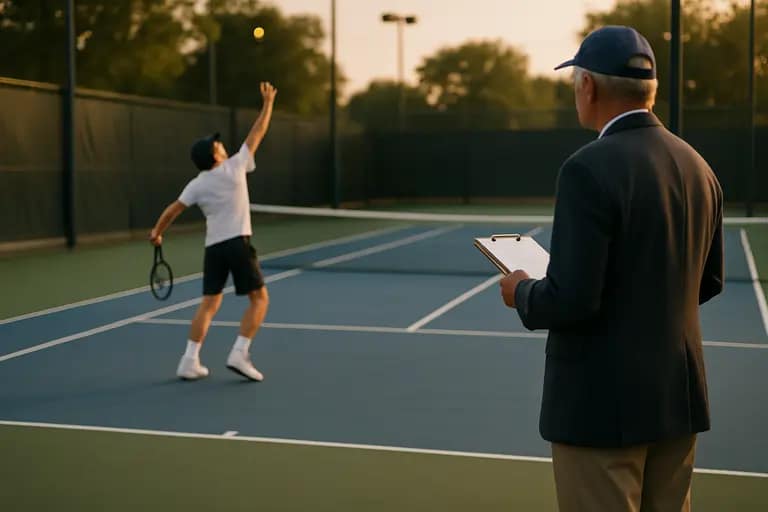
The research also points to confirmed tennis facility standards that matter for tournament week. ATP Challenger tournaments must make practice courts available starting at 12:00 noon on the Saturday before the tournament starts, or Friday if the tournament runs Sunday through Saturday. When practice courts are provided, they must match the surface and speed of the match courts.
That is a practical fairness rule. A player preparing on a different surface or slower court is not getting the same read as a player warming up on a court that plays like the main draw. For event staff, it means practice access is not only about having open space. It is about having useful space.
Late Matches Affect The Next Day
ATP scheduling rules in the research normally prohibit matches from starting after 11:00 p.m. local time unless an ATP Supervisor grants a waiver. The rules also call for court reassignment if delays threaten later key matches, such as singles finals or events of similar weight.
That connects directly to athlete welfare. A late finish can damage recovery, warmup rhythm, meal timing, and next-day preparation. Tournament staff who wait too long to move matches can create a schedule problem that no player can fix with effort alone.
Practice Schedules For Tournament Week Compliance
Build The Calendar Backward From Competition
The best practice schedules start with the first official contest, match, weigh-in, or tee time and work backward. Mark the competition window, travel return, facility access, required rest, and any off-limits period before adding optional activity. That keeps the schedule anchored to the rulebook instead of the wish list.
For school teams, that means checking NCAA dates and hour limits before athletes arrive. For tennis events, it means matching practice courts to match courts and protecting late-night scheduling rules. For fishing tournaments, it means posting off-limits water, official practice times, and launch procedures early enough that out-of-town competitors are not guessing at the ramp.
Treat practice schedules as a competitive operations plan. Done well, they reduce confusion, protect athletes, and help events run with fewer disputes. Done poorly, they create avoidable questions at the exact moment competitors should be focused on performance.