
The Fall Redfish Run has already carried Texas Gulf Coast anglers through its strongest spawning window, and as of November 8, 2026, the season has shifted from peak timing into the late-fall pattern. Texas Parks and Wildlife identifies red drum spawning in Texas Gulf waters from mid-August through mid-October near mouths of passes and shorelines, which helps explain why anglers focused so much effort on passes, jetties, beachfronts, and ship channels during September and October TPWD red drum details. The late season still matters because bull redfish activity can continue into November and December, but the main story is now a practical one: how anglers read fronts, water movement, legal limits, and access points after the prime push.
How The Fall Redfish Run Timed Out
Spawning Window And Bull Red Movement
The Texas redfish calendar lined up around two related patterns in 2026. The spawning season ran from mid-August through mid-October, while the bull redfish run began in late August, peaked around mid-September, and continued into the fall. That timing placed mature fish near Gulf-facing structure and open-water routes that connect bays to the surf.
For anglers, that meant the best opportunities were not random. Large mature red drum over 28 inches were most obtainable from mid-September to mid-November around jetties, passes, and Gulf surf, with October generally standing as the strongest month based on the research provided. By November 8, 2026, that peak stretch had passed, but late-fall chances remained tied to the same structure and forage movement.
Fall Redfish Run Timing By Area
South Padre and Corpus Christi carried a strong place in the 2026 pattern. Fishscouter’s regional forecast for South Padre and Corpus Christi showed redfish peaking in numbers from September through November 2026, with schools surging on Laguna flats after each cold front South Padre and Corpus Christi redfish outlook. That cold-front note is a major late-season clue because it shifts the angler’s job from simply finding fish to timing water movement after weather changes.
The Fall Redfish Run has also been a coastwide test of local knowledge. Crystal Beach-area reports in early October 2026 showed slot redfish active in shallow marsh around high morning tides, grass edges, and drains. Other bay systems named in the research, including Matagorda Bay, Rockport, Bolivar, and Galveston Bay, fit the same fall logic: cold fronts and falling water can bunch redfish around marsh drains and shorelines during October and November.
Where Texas Anglers Found The Best Water
Passes, Jetties, Beachfronts, And Channels
The most consistent late-summer and fall locations were the places that let redfish move between spawning water, feeding water, and current. Passes, jetties, beachfronts, and ship channels all gave anglers a direct connection to fish using Gulf-side routes. The surf side of barrier islands and jetty mouths were especially important for anglers targeting bull reds, while bay shorelines and drains held value for slot fish when water fell after fronts.
This is where Texas coastal fishing rewards discipline. A jetty bite is not the same as a marsh-drain bite. Jetties and passes often call for heavier tackle, long casts, current awareness, and careful fish handling around rocks. Shallow marsh edges call for quiet boat control, tide timing, and presentations that can work through grass, drains, and bait concentrations.
Cold Fronts Changed The Board
After each front, anglers had to treat the coast like a new matchup. Falling water can pull bait and redfish from back marshes toward drains, shorelines, and nearby deeper lanes. On Laguna flats, the research notes that schools surged after cold fronts, which put timing at the center of the plan. The best days were not always the calmest days; they were the days when water movement, bait position, and redfish routes matched up.
For anglers planning future trips around Port Aransas and nearby water, our related breakdown of Port Aransas tactics and gear fits this same seasonal pattern without treating every section of the coast as identical. The Texas coast shares broad fall signals, but each bay, pass, and beachfront has its own access limits, wind exposure, and tide personality.
Tactics That Matched Fall Redfish Behavior
Slot Reds Versus Bull Reds
Slot redfish and bull reds required different decisions. Slot fish in marshes and bays were often tied to high morning tides, drains, grass edges, and falling water after fronts. That pattern favored anglers who could read skinny water, bait movement, and ambush lanes. A slot redfish trip was often about precision more than distance.
Bull reds asked for a different setup. Overslot fish around jetties, passes, ship channels, and surf zones pushed anglers toward heavier gear, stronger leaders, and a plan for releasing large fish quickly when they were not being legally retained. These fish can be thrilling, but they also demand care because many are mature spawners moving through a key seasonal window.
Water Temperature And Timing Clues
The research also identified 66 to 72 degrees as the water temperature range that produced the best redfish catches, with catch per net above average in that range during fall surveys. That is a useful benchmark for anglers comparing warm early-fall days with sharper post-front windows. Temperature alone does not guarantee a bite, but it can confirm whether the broader pattern is lining up.
Texas Parks and Wildlife marine survey net data from 2010 through 2019, as summarized in the research, showed redfish catch per net peaking in Sabine Lake in spring, while Lower Laguna Madre and San Antonio Bay posted high fall catch per net figures. For fall anglers, the takeaway is simple: lower-coast and mid-coast systems can be especially productive when fronts, salinity, and bait movement set up correctly.
Rules And Handling During The Run
Slot Limits Shaped Harvest Choices
For the September 1, 2026, through August 31, 2027, license year, the research lists the Texas redfish daily bag limit as three per angler per day, with a 20- to 28-inch slot. It also notes that one oversized redfish over 28 inches may be kept per year with a Red Drum Tag. Anglers should confirm all regulations before keeping fish, because the run attracts both experienced coastal anglers and visitors who may not fish saltwater every week.
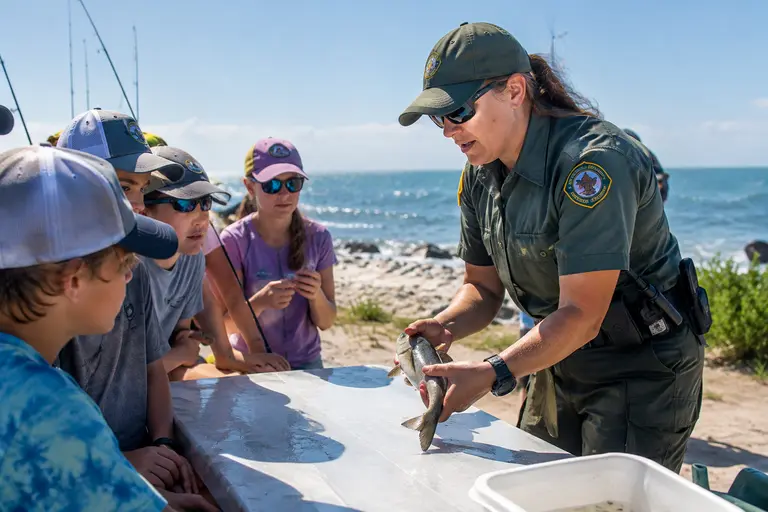
Those rules shape the sporting side of the season. Slot fish can provide legal harvest opportunities, while bull reds often become catch-and-release targets unless an angler is using the proper tag. Measuring fish on a flat surface, reducing time out of the water, and reviving oversized redfish before release all matter during a period when mature fish draw concentrated attention.
Pressure Increased Around Productive Water
The Fall Redfish Run can bring more boats, more shore anglers, and more wade fishermen to the same passes, jetties, drains, and beachfronts. That pressure makes courtesy part of the sport. Giving other anglers room at a jetty, easing off the throttle near waders, and avoiding crowded shoreline cuts protects both safety and the quality of the trip.
Community behavior matters because the best redfish water is often shared water. Families fish the surf. Guides work the bays. Tournament-minded anglers scout drains and flats. Local bait shops, marinas, cleaning tables, ramps, and restaurants all feel the impact when the run is strong.
Community Value Of The Fall Redfish Run
Local Access And Small Businesses
The Fall Redfish Run is not just a biological event; it is a coastal sports season with local economic weight. Anglers buy bait, fuel, ice, tackle, food, lodging, and ramp access. Towns from the upper coast to the lower Laguna benefit when conditions give people a reason to make repeat trips during September, October, and November.
That community piece is one reason fishing coverage belongs beside other local sports coverage. The same pride that fills a rink, gym, or ballpark can show up at a boat ramp before daylight. For readers who follow regional sports across our network, explore Dashers Hockey to see another example of how local coverage can connect people through competition, schedules, venues, and shared hometown interest.
Why Shared Information Helps
Accurate reports help anglers make better choices without crowding every productive spot. Broad information about fronts, water temperature, tide stage, habitat type, and legal limits is more useful than burning a specific drain or shoreline. That style of information keeps the sport healthy because it teaches decision-making instead of sending every boat to the same waypoint.
For new redfish anglers, the 2026 fall season offered a clear lesson. Watch the calendar, then watch the weather. The spawn set the broad window, but cold fronts, falling water, and bait movement shaped the daily opportunity. The anglers who adjusted after each front had the best chance to stay around fish after the mid-September peak passed.
What The Fall Redfish Run Means For Texas Anglers
A Late-Fall Playbook Built On Confirmed Patterns
As of November 8, 2026, the Texas coast was past the strongest part of the spawning-driven push but still inside a useful late-fall window. The confirmed pattern points anglers toward passes, jetties, beachfronts, ship channels, marsh drains, and flats affected by post-front movement. It also points them toward careful harvest decisions and strong release habits for oversized fish.
The best reading of the Fall Redfish Run is that it rewards anglers who combine sport, timing, and stewardship. Mid-August through mid-October set the spawning frame. Mid-September through mid-November carried the strongest bull red opportunity. September through November remained meaningful around South Padre and Corpus Christi, especially after fronts. That is enough information to fish smarter without pretending every tide or shoreline will produce. On the Texas Gulf Coast, fall redfish success still comes down to reading water, respecting the resource, and sharing the season well.