
Texas Tournament Impact became easy to measure in 2026 as major events and regional tournament schedules brought visitors, teams, families, media, and local volunteers into host communities across the state. From Austin’s Formula 1 weekend in October 2026 to Texarkana’s February-June 2026 tournament stretch at Swanger Sports Complex, the strongest sports stories were not only about who competed. They were also about restaurants filling seats, hotels booking rooms, youth athletes seeing a bigger stage, and local organizers proving that event calendars can support both competition and community pride.
Texas Tournament Impact Across Recent Events
Why Texas Tournament Impact Starts With Visitors
The clearest Texas Tournament Impact lesson from the 2026 event cycle is that traveling spectators and teams shape the economics around a competition. Austin officials reported that the Formula 1 U.S. Grand Prix weekend in October 2026 was projected to generate more than $1 billion in economic impact, with about half tied to direct spending by visitors, teams, media, and related groups, according to Austin’s economic development report. The same city report noted that during the 2021 U.S. Grand Prix, Texas officials estimated $331.4 million in primary direct spending in the Austin market and about $30.6 million in incremental state tax receipts.
Those figures explain why sports scheduling has become a serious civic conversation. A race weekend, baseball tournament, soccer match, or fishing weigh-in is not just a date on a calendar. It sends people into hotels, fuel stations, restaurants, grocery stores, tackle shops, parking lots, and local attractions. As an event coordinator, I love seeing that chain reaction because it shows how good sports planning can reward more than the athletes on the field or on the water.
The Texarkana Tournament Model
Texarkana gave Texas a smaller-city case study with clear numbers. During the February-June 2026 seasons, Swanger Sports Complex hosted 15 tournaments, drew about 43,000 visitors and 420 teams, and produced an estimated $6.5 million in direct visitor spending, according to the city’s Swanger Sports Complex study. The same research notes that about 61% of visitors traveled from outside the immediate area, visitor traffic from 100 or more miles away increased by 431%, and dining visits rose 68% during tournament periods.
That kind of activity matters because it reflects repeatable tournament economics. A host community does not need a global event every month to benefit from sports tourism. A well-run complex, reliable scheduling, clear communication with teams, and local buy-in can create a steady rhythm of weekend visitors. For smaller Texas towns, that rhythm can be just as meaningful as one huge weekend.
How Spending Reaches Local Businesses
Hotels, Restaurants, Fuel, And Retail
Sports visitors spend in practical ways. Families traveling with youth teams need rooms, meals, ice, snacks, gear, and gas. Race and soccer visitors spend across a wider entertainment schedule, especially when they arrive early or stay after the event. Tournament staff, officials, media, and vendors add another layer of demand. That mix is why the economic effect often spreads beyond the venue gates.
The research record also noted major 2026 activity in North Texas during World Cup match dates in June and July 2026, including Arlington match attendance and hotel revenue gains. Those events have already passed as of November 7, 2026, so the right way to read them now is as a completed sports-tourism case study. The useful point for Texas organizers is not that every community can host a world soccer semifinal. It is that coordinated traffic, lodging, transportation, food service, and fan gathering plans can help a host city capture more value from the event it does have.
There is a strong lesson here for fishing towns, too. A coastal redfish tournament or a lake bass event may not fill a stadium, but it can bring boaters, families, sponsors, volunteers, and youth anglers into marinas, bait counters, diners, campgrounds, and local lodging. Texas Sportsmen has covered how fishing tournaments support local economies, and the same spending pattern shows up in the broader sports examples from 2026.
Why Venue Investment Matters
Texarkana’s Swanger Sports Complex results also point to the value of usable sports infrastructure. Tournament directors need reliable fields, parking, restrooms, concessions, lighting, and traffic flow. Fishing organizers need working ramps, weigh-in space, parking for trucks and trailers, access to bait and ice, and safe shoreline or marina areas for families. The details are different by sport, but the event principle is the same: better facilities make it easier to host larger fields and repeat visits.
That is why regional sports networks matter as well. Readers who follow community sports across Texas and neighboring markets may also recognize related coverage from Copeland Hills Golf, a site that explores how local events create lasting benefits, available at this link.
What Texas Tournament Impact Means For Fishing Events
Fishing Communities Can Use The Same Playbook
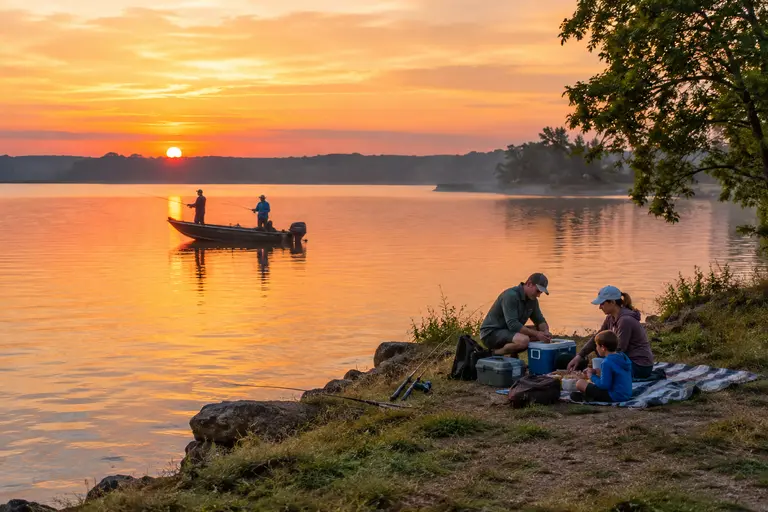
For the fishing community, Texas Tournament Impact is more than an economic phrase. It is a planning model. The confirmed research supplied for this report did not include a future fishing tournament date, so this analysis does not claim one. What it does show is how completed Texas sports events in 2026 offer a practical framework for fishing organizers, chambers of commerce, marina operators, and volunteers.
The first step is scheduling with the whole town in mind. If an event brings traveling anglers, families, or sponsor crews, local partners need advance notice. Restaurants can staff appropriately. Bait shops can plan inventory. Hotels and RV parks can prepare for early arrivals. Youth fishing clubs can set up clinics or conservation tables if organizers have confirmed programming. The strongest event weekends feel coordinated because the planning reaches beyond registration and weigh-in times.
The second step is building community entry points. Not every resident competes, but many can take part as volunteers, spectators, junior participants, conservation supporters, or small-business hosts. That is where fishing events have an advantage. A weigh-in can become a gathering point. A boat ramp can become a place where experienced anglers help first-time families. A tournament can give young anglers a reason to stay connected to local water.
Community Spirit Shows Up In Practical Ways
Community spirit is often talked about emotionally, but it can be measured in practical signs. Volunteers arrive early. Local businesses display event information. Families gather around youth divisions. Anglers share ramp space with patience because the event is organized. Sponsors support prizes, scholarships, or conservation work when those pieces are confirmed by organizers. These actions help a tournament feel local even when the competitor list includes travelers from far away.
The 2026 examples also remind organizers to stay careful with claims. Projections can be useful, but completed visitor counts, direct spending, hotel activity, and dining traffic give communities a firmer way to judge results. Fishing events benefit from the same discipline. If a tournament wants public support, clean reporting after the event helps local leaders see what worked and what needs repair.
Texas Tournament Impact For Local Communities
Texas Tournament Impact in 2026 showed up at different scales: a global race weekend in Austin, a multi-month tournament run in Texarkana, and major soccer gatherings in North Texas and Houston that have already concluded. The common thread was not the size of the scoreboard. It was the connection between competition, visitors, local business activity, and civic pride.
For Texas fishing communities, the message is encouraging and practical. Strong events are built before the first cast, kickoff, pitch, or green flag. They depend on schedules people can trust, venues that can handle demand, and local partners who understand the value of welcoming competitors and families. When those pieces line up, a tournament becomes more than a contest. It becomes a shared weekend that supports businesses, gives young athletes and anglers a bigger stage, and reminds Texans why local sports still bring people to the same table.