
Each winter along the Texas coast, conservation teams and volunteers participate in a major cleanup effort that quietly protects one of the most important fisheries in the Gulf of Mexico. The annual removal of abandoned crab traps from coastal bays may not generate the same attention as large fishing tournaments or conservation regulations, but its impact on marine ecosystems is enormous.
Recent cleanup efforts removed nearly 1,000 derelict traps from Texas bays, helping restore critical coastal habitat used by redfish, baitfish, and countless other species. For anglers who depend on healthy inshore waters, the removal of these traps represents more than simple debris cleanup—it directly contributes to stronger redfish populations and better fishing conditions.
Understanding how abandoned traps affect coastal ecosystems reveals why these annual cleanup operations have become such an important part of Texas fisheries conservation.
The Hidden Problem Of Derelict Crab Traps
Crab traps are a common sight throughout Texas bay systems. Thousands are deployed every season by commercial and recreational crabbers targeting blue crabs along marsh edges, channels, and shallow flats.
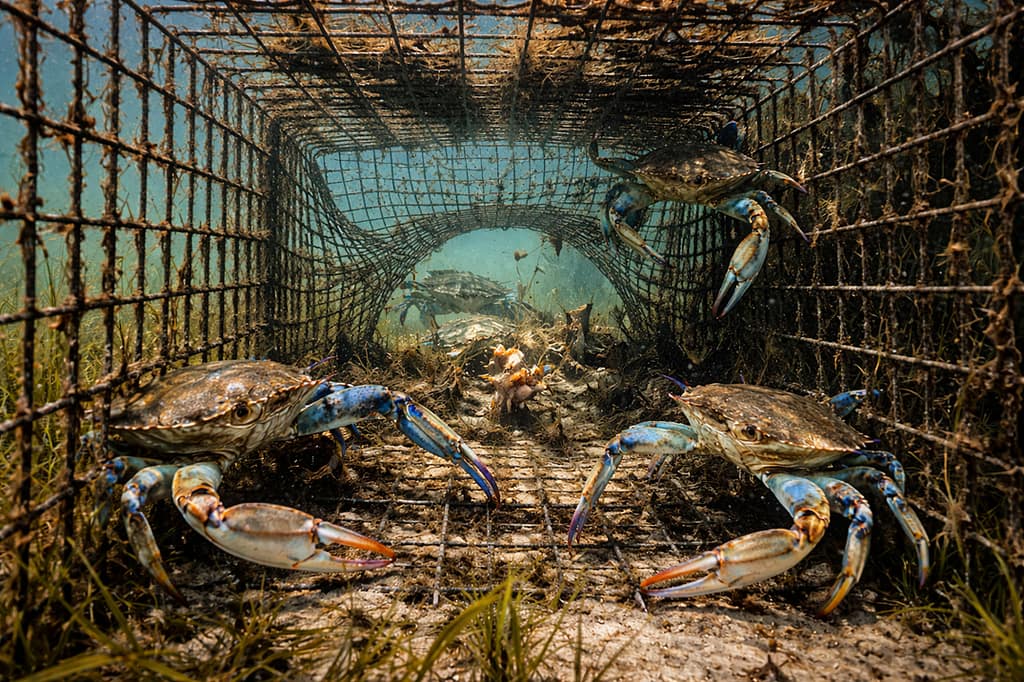
Over time, however, some traps become lost or abandoned. Storms, strong currents, boat traffic, and damaged marker buoys can cause traps to drift away or sink to the bottom where they continue to trap marine life.
These “ghost traps” remain active long after they have been abandoned.
Fish, crabs, and other marine organisms can become trapped inside, creating an ongoing cycle where new animals enter the trap but cannot escape. This process not only harms marine life but also contributes to habitat damage across coastal ecosystems.
When large numbers of derelict traps accumulate, the impact becomes significant for fisheries that rely on healthy bay habitats.
Why Crab Trap Removal Helps Redfish Habitat
Redfish thrive in environments that provide abundant prey and stable coastal structure. Shallow grass flats, marsh shorelines, and oyster reefs form the foundation of these productive ecosystems.
Abandoned traps can disrupt these habitats in several ways.
First, the physical structure of a lost trap can damage seagrass beds when storms or tides move the trap across the bottom. Seagrass is a critical feeding ground where redfish hunt shrimp, crabs, and small baitfish.
Second, ghost traps can continue capturing marine life that would otherwise serve as food within the ecosystem. This removes prey species from the food chain and alters the natural balance within the bay.
Third, lost traps can become hazards for boaters and anglers navigating shallow water.
When these traps are removed, the surrounding habitat can begin recovering immediately, allowing bait populations and feeding grounds to stabilize.
How The Annual Cleanup Effort Works
Texas organizes a coordinated cleanup effort each year during a designated crab trap removal period. During this short window, volunteers and conservation groups work alongside state wildlife agencies to remove abandoned traps from coastal waters.
Participants include:
- Texas Parks and Wildlife biologists
- Local fishing guides
- Coastal conservation organizations
- Recreational anglers and boaters
Teams launch boats across bay systems to locate traps that have been left behind. Once recovered, traps are brought to shore and recycled whenever possible.
The effort removes thousands of traps statewide each year, significantly reducing the long-term impact of ghost fishing.
| Cleanup Element | Impact On Ecosystem |
|---|---|
| Trap Removal | Prevents ghost fishing |
| Habitat Restoration | Protects seagrass beds |
| Wildlife Protection | Reduces accidental capture |
| Safer Navigation | Removes hazards for anglers |
These cleanups demonstrate how cooperative conservation efforts can produce immediate environmental benefits.
Why Healthy Habitat Means Better Redfish Fishing
Redfish are among the most adaptable species in the Gulf, but they still rely heavily on healthy coastal ecosystems.
When seagrass beds and marsh habitats remain intact, they support the shrimp, crabs, and baitfish that redfish feed on daily. These habitats also provide shelter for juvenile redfish during their early development.
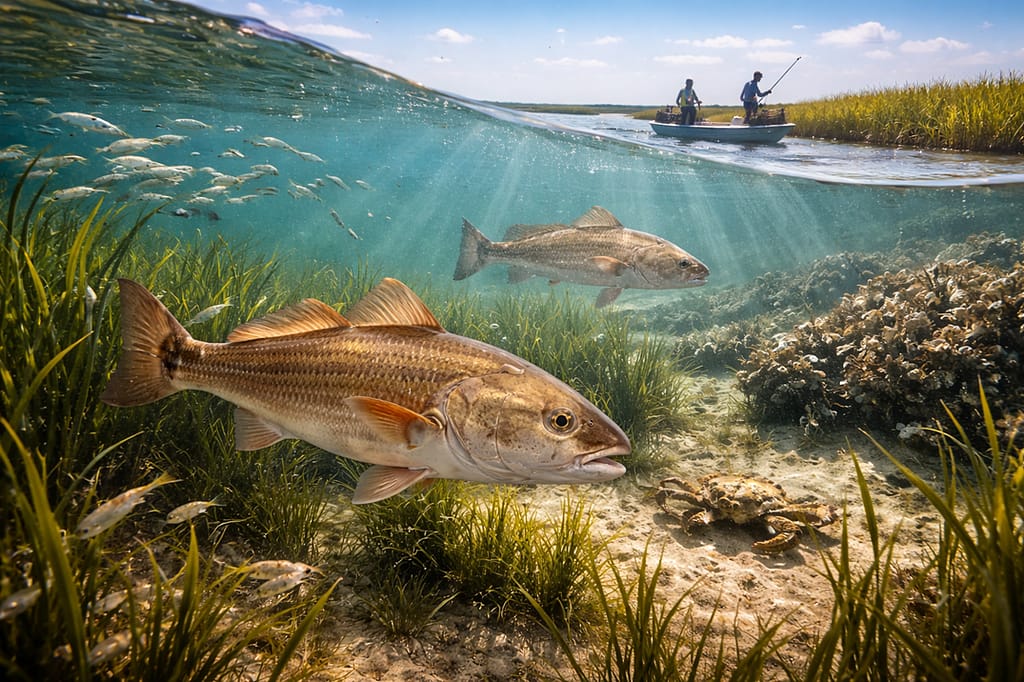
Removing abandoned crab traps helps maintain these environments.
Healthy habitat leads to stronger bait populations, which in turn supports stable redfish numbers across Texas bay systems. For anglers, this translates into consistent fishing opportunities throughout the year.
The relationship between ecosystem protection and redfish populations is explored further in our guide to Texas redfish population health, which explains why the state continues to lead the Gulf in sustainable fisheries management.
Conservation Efforts Strengthening Texas Fisheries
The cleanup of abandoned crab traps represents only one component of a much larger conservation framework along the Texas coast.
State fisheries managers have spent decades building programs designed to protect habitat, regulate harvest, and support marine research. Combined with responsible angling practices, these efforts have helped maintain one of the most productive redfish fisheries in North America.
Cleanup programs are especially important because they address problems that occur outside traditional regulations.
Removing lost fishing gear helps prevent unnecessary wildlife mortality while preserving the habitats that support redfish populations.
According to the Texas Parks and Wildlife Department coastal fisheries program, volunteer cleanup events and coordinated conservation efforts continue to play a major role in protecting the state’s coastal ecosystems.
A Small Effort With A Big Impact
For many anglers, the removal of abandoned crab traps may seem like a small environmental project compared to large-scale fisheries management policies.
In reality, these cleanup operations make a measurable difference.
Every trap removed eliminates a potential source of ghost fishing and helps restore the delicate habitats that sustain coastal fish populations. Over time, these small improvements accumulate into significant ecological benefits.
For Texas anglers pursuing redfish across the bays and flats, the results are visible every time healthy grass beds hold feeding fish or a marsh shoreline erupts with tailing reds.
Protecting those environments ensures that the Texas redfish fishery remains strong for future generations