
Across Texas in 2026, tournament fishing is facing a moment of reckoning. Following a series of high-profile enforcement actions tied to cheating and illegal practices, Texas Game Wardens are increasing their presence and scrutiny at competitive fishing events—and the ripple effects are beginning to reach the coast.
While much of the recent attention has centered on freshwater tournaments, the implications extend directly into redfish competition. As prize pools grow and participation surges, enforcement is evolving alongside the sport.
For coastal anglers, the question is no longer whether enforcement will increase—it’s how far it will go, and how it will reshape tournament fishing.
What Triggered The Crackdown
The increased enforcement push didn’t come out of nowhere. In early 2026, Texas authorities investigated and charged individuals in a widely publicized tournament cheating case involving altered fish weights and falsified entries.
The incident exposed vulnerabilities in tournament systems—particularly in verification processes and oversight. More importantly, it drew statewide attention to the integrity of competitive fishing.
Texas Game Wardens, operating under the Texas Parks and Wildlife Department, responded by signaling a stronger enforcement posture. According to updates shared through Texas Game Warden enforcement programs, increased monitoring, inspections, and presence at fishing events are now a priority moving forward.
How Enforcement Is Expanding On The Water
The most noticeable change for anglers is visibility. Game wardens are appearing more frequently at tournaments—not just at weigh-ins, but on the water.
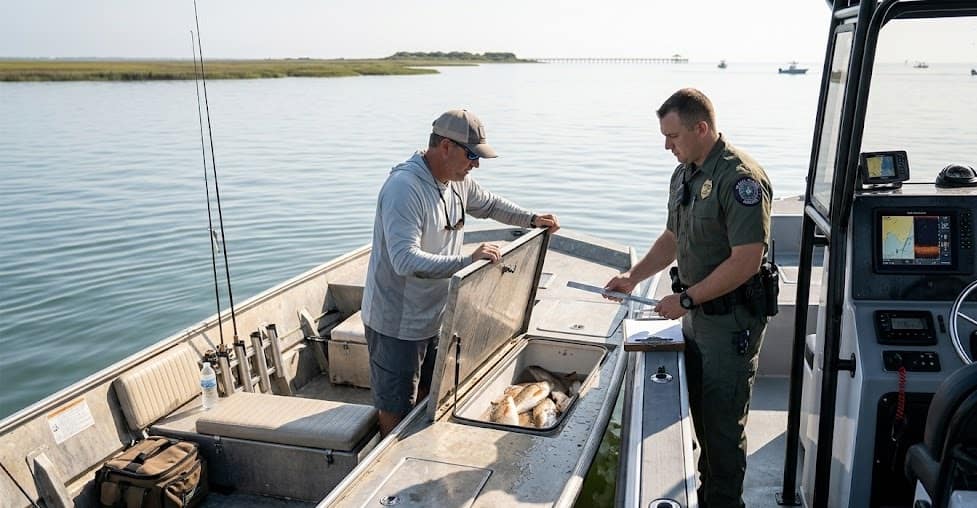
This shift includes:
- Random boat checks during tournament hours
- Closer inspection of live wells and catch handling
- Verification of licensing, limits, and compliance
The goal isn’t just to catch violations—it’s to deter them. A visible enforcement presence changes behavior immediately, reinforcing the idea that tournaments are being actively monitored.
In many ways, this brings tournament fishing closer to other regulated competitive environments, where oversight is part of the structure, not an afterthought.
What This Means For Redfish Tournaments
For redfish anglers, enforcement introduces a new layer to competition—one that extends beyond finding fish.
Coastal tournaments already operate under strict rules tied to slot limits, handling requirements, and catch verification. Increased enforcement adds accountability to those rules, ensuring they are applied consistently across the field.
This is particularly relevant in formats that rely on:
- Catch-photo-release systems
- On-the-water measurement and documentation
- Honor-based reporting between anglers and organizers
Stronger oversight helps protect these systems, making sure outcomes reflect skill rather than manipulation.
It also aligns with broader structural changes seen in the technology rules debate in Texas tournaments, where fairness and competitive balance are becoming central themes.
The Balance Between Fairness And Pressure
While most anglers support fair competition, increased enforcement does introduce a different kind of pressure.
Tournament fishing has always been about decision-making under time constraints—choosing spots, adjusting patterns, and managing risk. Now, anglers must also consider compliance in real time, ensuring every action aligns with both tournament rules and state regulations.
This doesn’t fundamentally change how redfish are caught, but it does change the environment in which decisions are made. Mistakes—whether intentional or accidental—are more likely to be noticed and addressed.
For experienced teams, this is manageable. For newer anglers, it reinforces the importance of understanding rules before ever leaving the dock.
How Technology Is Supporting Enforcement
Interestingly, the same technological advancements shaping tournament strategy are also supporting enforcement efforts.

Digital tools now allow for:
- Timestamped photo verification
- GPS tracking of catch locations
- Real-time communication between anglers and officials
These systems reduce ambiguity and provide clear records of activity during competition.
At the same time, enforcement agencies are leveraging their own tools—modern patrol boats, advanced communication systems, and coordinated monitoring strategies—to cover more water effectively.
The result is a more controlled environment, where both anglers and officials operate with greater visibility and accountability.
Regional Differences Along The Texas Coast
As enforcement expands, its impact will vary depending on location and event scale.
In high-profile hubs like Port Aransas, where large tournaments attract significant attention, increased oversight is already becoming part of the experience. Anglers can expect a stronger presence at launches, weigh-ins, and key fishing zones.
In smaller grassroots events across bays like Matagorda or San Antonio Bay, enforcement may remain less visible—but still active. The difference lies in scale, not intent.
Across all regions, the underlying message is consistent: compliance is no longer optional, regardless of tournament size.
The Long-Term Impact On Tournament Culture
Perhaps the most significant effect of increased enforcement isn’t procedural—it’s cultural.
Tournament fishing in Texas has long been built on trust. Anglers take pride in fair competition, and reputations matter as much as results. The recent crackdown doesn’t replace that culture—it reinforces it.
By establishing clear consequences and visible oversight, enforcement helps protect the integrity of the sport. It ensures that success is earned, not manipulated.
Over time, this can strengthen participation. Anglers are more likely to enter tournaments when they trust the system behind them.
What Anglers Should Expect Moving Forward
As 2026 progresses, increased enforcement is likely to become the new normal rather than a temporary response.
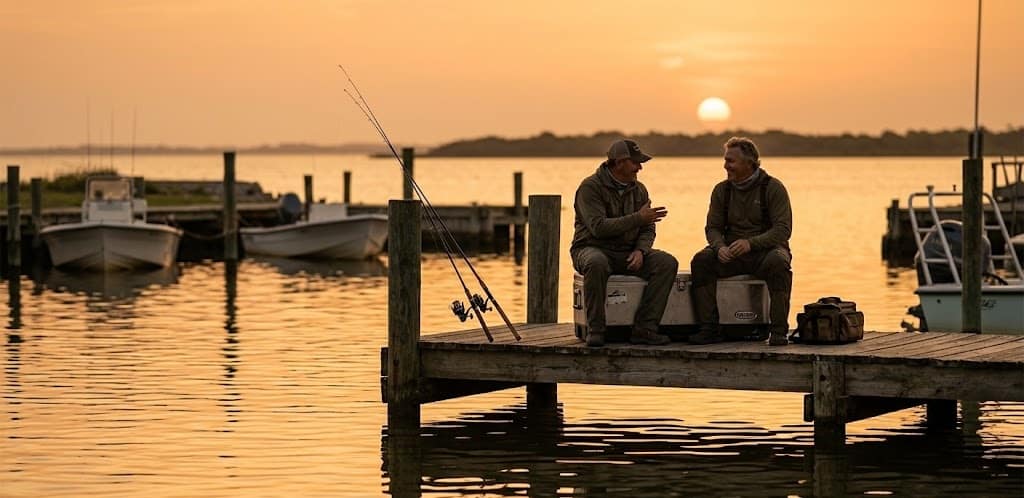
Anglers should expect:
- More consistent presence from game wardens
- Clearer alignment between tournament rules and state regulations
- Continued integration of technology in verification processes
For most competitors, this won’t be disruptive—it will simply become part of the environment, much like weather conditions or tide movement.
Preparation will extend beyond fishing strategy to include a full understanding of compliance requirements.
A More Structured Future For Texas Tournament Fishing
The crackdown on tournament cheating marks a turning point. It reflects the reality that competitive fishing in Texas is growing—and with that growth comes the need for stronger systems.
For redfish tournaments, this evolution is ultimately positive.
Stricter enforcement protects the fishery, ensures fairness, and reinforces the credibility of competition. It aligns with broader trends across the sport, where structure and professionalism are becoming essential.
And as the Texas coast continues to host some of the most competitive redfish tournaments in the country, that foundation will matter more than ever.
Because in the end, the best tournaments aren’t just won on the water—they’re built on trust, transparency, and a level playing field.