
The 2026 CCA Texas STAR Tournament is not built like a normal fishing weekend. Running from May 23 through September 7, the event stretches across more than 100 days and the entire Texas coastline, which turns it into a summer-long test of preparation, patience, travel planning, and coastal knowledge. For Texas anglers, that scale matters as much as the prize list. It changes how families plan trips, how teams decide when to fish, how coastal towns feel tournament traffic, and how conservation rules shape competition from Galveston to the Lower Laguna Madre.
Why The 2026 STAR Format Fits The Texas Coast
Texas fishing does not revolve around one harbor, one bay system, or one tournament weekend. The coastline is too long, the weather is too changeable, and the angler base is too spread out. That is why the 2026 STAR format fits the state so well. The official CCA Texas STAR Tournament page lists the event dates as May 23 through September 7 and identifies the playing field as the entire Texas coastline. That gives the tournament a different rhythm than a one-day weigh-in.
A coastal angler in Galveston may build a very different summer plan than a family fishing out of Port Aransas, Rockport, Matagorda, Freeport, or South Padre Island. The event structure allows those regional habits to matter. Wind, tide, salinity, boat access, family schedules, and weekend travel all become part of the competitive picture.
That is what makes STAR more than a prize chase. It functions like a summer circuit without forcing every angler into the same marina on the same day. The tournament follows the way Texas anglers already use the coast: in windows, weekends, holiday trips, family routines, and weather breaks.
For texassportsmen.com readers, the key point is practical. STAR rewards anglers who understand their water, not just anglers who can clear one Saturday. That makes it a better reflection of Texas coastal fishing culture than a narrow shootout built around one launch ramp.
How Tagged Redfish Keep The Tournament Moving All Summer
The tagged redfish structure is the engine of the tournament. STAR keeps anglers engaged because every trip can carry the possibility of finding a tagged fish, clipping the tag, releasing the fish, and turning the tag in at an official weigh station. The official STAR site says the first five certified red-tagged redfish winners receive a 2026 Ford F-150 XLT SuperCrew Cab connected to a 23-foot Haynie Amigo boat package, with youth under 16 receiving the boat package and a $25,000 scholarship in place of the truck. The second five certified red-tagged redfish winners receive a Haynie Amigo boat package.

That structure changes behavior on the water. Anglers are not simply looking for the heaviest fish. They are reading shoreline structure, grass edges, drains, bay systems, and boat pressure through a different lens. A legal, healthy redfish matters in any trip, but a tagged redfish can turn a routine summer morning into a tournament-defining moment.
The 2026 event also adds depth through the Tags of Texas Division. The official STAR prize page describes the division as a format where every tag is a winner, with seven sponsored tag colors and prize levels tied to certified catches. That matters because it broadens the redfish storyline beyond a small number of top prizes.
This is where STAR connects with the broader tagged redfish rule change discussion already happening around Texas coastal tournament culture. A redfish tournament built around tags, release procedures, and official verification asks anglers to compete with more discipline than a simple dockside photo contest.
Why The Divisions Create More Than One Tournament Inside STAR
The scale of STAR comes from its divisions as much as its dates. The official CCA page lists two Tagged Redfish divisions, an Inshore Division, an Offshore Division, a Guides Division, and Youth Scholarship Divisions. That gives different types of anglers a realistic lane into the tournament.
An inshore angler focused on sheepshead, gafftop, black drum, or redfish can approach the summer differently from an offshore crew targeting kingfish, dorado, ling/cobia, or red snapper. A guide may see the tournament through client education and coastal consistency. A youth angler may see it as a summer project that connects fishing with scholarship opportunity.
That layered format makes STAR feel less like one contest and more like a coastwide calendar. A family can enter because a child wants to participate. A serious offshore crew can watch weather windows and fuel costs. A bay fisherman can keep the tournament in mind during routine weekend trips. A guide can explain rules, ethics, and species handling to clients who may be new to organized competition.
| STAR Area | What It Adds To The Summer Circuit | Why It Matters For Texas Anglers |
|---|---|---|
| Tagged Redfish | Coastwide treasure-hunt format | Keeps anglers engaged across multiple bay systems |
| Inshore Division | Species variety near bays and flats | Opens the event to smaller boats and local trips |
| Offshore Division | Bigger-water competition | Connects STAR with snapper, kingfish, dorado, and cobia trips |
| Youth Scholarships | Family and development angle | Gives young anglers a reason to learn rules and conservation habits |
| Guides Division | Professional coastal knowledge | Highlights consistency, local expertise, and fish handling |
The Texas Parks and Wildlife fishing reports matter in this context because coastal conditions can shape how anglers choose their windows. STAR runs long enough that one windy week does not define the tournament. That favors preparation over panic and makes the event more accessible to anglers who cannot fish every weekend.
How Youth Scholarships Make STAR A Development Story
The youth component is one of the strongest reasons STAR matters beyond prize headlines. CCA lists youth membership at $10 for ages 6–17, with tournament entry free for that age group. The official STAR site says STAR awards $375,000 in scholarships yearly and has awarded more than $8.7 million since 1995.
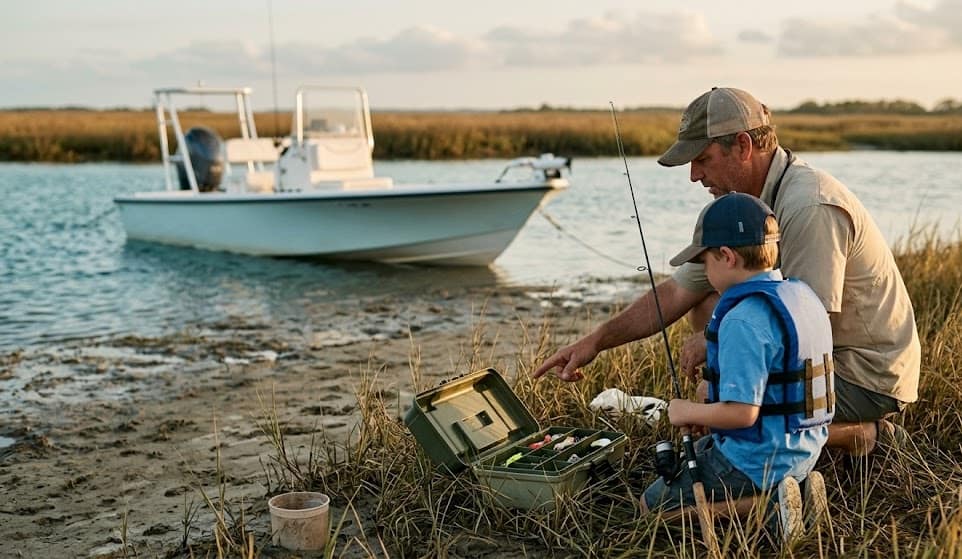
That changes the way families can talk about tournament fishing. A young angler is not just tagging along for a boat ride. The tournament gives kids a reason to learn species identification, measuring rules, release expectations, weather awareness, boat safety, and the patience required to fish a long-format event.
That development layer fits Texas outdoor sports culture. Many young anglers learn from parents, grandparents, guides, neighbors, and local fishing clubs. STAR gives those informal lessons a structured summer goal. A child may not win a scholarship, but the act of entering, fishing, following the rules, and understanding why conservation matters can stay with them far longer than one weigh-in photo.
The youth angle also helps explain why STAR has stayed relevant. Tournament fishing can become too focused on gear, horsepower, and prize value. The scholarship structure pulls the event back toward learning, family participation, and coastal stewardship. That balance is valuable in a state where fishing access, habitat health, and youth participation all shape the future of the sport.
Why Conservation Rules Shape The Competitive Standard
A tournament this large has to carry a conservation message, or it risks becoming too heavy on extraction and too light on responsibility. STAR’s tagged redfish format, release expectations, and official verification process make fish handling part of the competitive standard. That matters on a coast where redfish, speckled trout, black drum, and offshore species all carry cultural and management value.
Texas anglers already operate inside a layered system of licenses, bag limits, species rules, and changing conditions. CCA’s official registration page states that eligible participants need a current CCA membership, STAR entry, and Texas saltwater fishing license. That requirement keeps the event tied to the broader system that supports fisheries management and coastal access.
The timing also matters. STAR overlaps with peak summer pressure on boat ramps, marinas, bait shops, beaches, and bay systems. Families are traveling. Guides are busy. Offshore trips are running. Inshore pressure rises around holidays and school breaks. A tournament that stretches across the whole summer has to encourage anglers to think beyond one catch.
That does not make the event less competitive. It makes the competition more complete. The best STAR anglers are not only searching for fish. They are reading weather, managing boat time, protecting fish condition, respecting rules, and making decisions that fit the long-term health of the coast.
How Coastal Communities Feel A Tournament That Lasts 100 Days
A one-weekend tournament can bring a sharp burst of traffic to one marina. STAR spreads that pressure across more than three months and multiple coastal communities. That can help bait shops, fuel docks, restaurants, hotels, guides, tackle stores, and repair shops feel steady summer activity tied to fishing.
The effect is different in every location. Galveston has a different angler base than Port O’Connor. Rockport and Aransas Pass draw different family patterns than South Padre Island. Matagorda, Freeport, Corpus Christi, and the Lower Laguna Madre each bring their own launch habits, lodging patterns, and species focus.
The value of STAR is that it does not erase those differences. It gives them a shared tournament frame. A redfish caught near one bay system and an offshore run from another part of the coast can both belong to the same summer story.
That is why the event works as a circuit. It creates a reason for anglers to stay connected across the season, check rules, watch reports, visit weigh stations, and talk about catches beyond their own local dock. For Texas coastal communities, that kind of sustained attention is often more useful than a single crowded weekend.
What Texas Anglers Should Watch Before September 7
The 2026 CCA Texas STAR Tournament will be shaped by more than prize winners. The real story is how anglers use the entire summer. Watch how the tagged redfish format affects release habits, how youth participation grows around scholarship divisions, how offshore weather windows influence entries, and how coastal communities respond to steady tournament traffic.
For experienced anglers, STAR rewards consistency and local knowledge. For families, it creates a summer-long reason to get young people on the water. For guides, it offers a way to teach rules, species handling, and coastal awareness through real competition. For the Texas coast, it ties dozens of fishing communities into one shared seasonal calendar.
That is why the 2026 STAR Tournament feels bigger than a contest. It turns the Texas coast into a summer fishing circuit, where preparation matters before the boat leaves the ramp and responsibility matters after the fish is caught.