
The 86th Texas International Fishing Tournament gives South Padre Island and Port Isabel another chance to show why the Lower Laguna Madre remains one of Texas’ most complete saltwater fishing stages. Scheduled for July 29 through August 2, 2026, TIFT brings together bay anglers, offshore crews, junior participants, families, volunteers, sponsors, and spectators in a tournament setting built around both the Laguna Madre Bay and the Gulf of Mexico. For Texas anglers, that matters because South Padre’s fishing identity is not only about one species, one division, or one launch point. It is about the way bay water, offshore runs, family participation, tourism, and tournament tradition keep the region visible.
Why The 86th TIFT Still Matters In Texas Fishing
The official Texas International Fishing Tournament site describes TIFT as Texas’ largest saltwater fishing tournament, hosted around the waters of the Laguna Madre Bay and Gulf of Mexico. That combination gives the event a different profile from a single-waterbody tournament. It is not only a bay event and not only an offshore event. It uses South Padre Island and Port Isabel as a bridge between two kinds of saltwater fishing culture.
The 2026 schedule gives the event a full tournament-week rhythm. The official TIFT schedule of events lists registration on Wednesday, July 29 from 3 p.m. to 7 p.m., registration on Thursday, July 30 from 10 a.m. to 7 p.m., Playday from 10 a.m. to 1 p.m., the captains meeting at 5 p.m., and the hospitality social at 6 p.m. Fishing days follow on Friday, July 31 and Saturday, August 1, with the awards ceremony scheduled for Sunday, August 2 at 11 a.m.
That structure matters because a major fishing tournament is more than the hours spent on the water. Registration, junior events, captains meetings, hospitality, weigh-ins, and awards all turn fishing into a community sports week. The event gives families a reason to gather before the boats leave and after the catches come in.
For texassportsmen.com readers, TIFT fits into the broader story of Texas tournament growth. The strongest tournament cultures are not built by prize tables alone. They are built by places that keep anglers returning year after year.
How South Padre And Port Isabel Create A Two-Water Tournament Identity
TIFT’s location matters as much as its history. South Padre Island and Port Isabel sit between the sheltered Lower Laguna Madre and Gulf access, giving anglers two different tournament worlds in the same regional footprint.
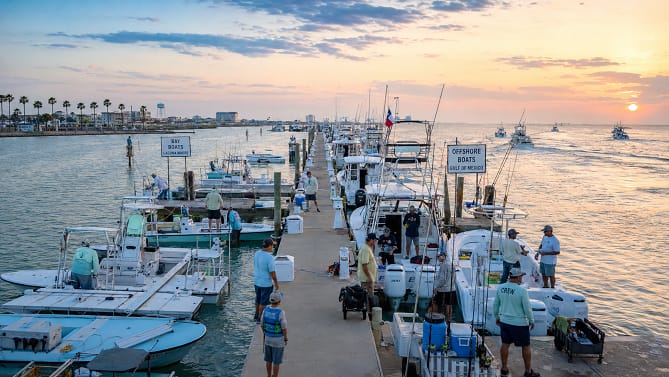
Bay fishing rewards local knowledge of grass flats, channels, water clarity, tide movement, wind direction, bait movement, and shallow-water boat handling. Offshore fishing brings a different set of demands: weather windows, fuel planning, crew coordination, rigging, safety, bluewater species, and longer runs.
That is why TIFT’s setting is valuable. It allows the region to show both sides of South Texas saltwater fishing. A bay angler and an offshore crew may prepare differently, launch differently, and measure success differently, but both are part of the same coastal culture.
Visit South Padre Island’s event listing says anglers compete across bay, tarpon, and offshore divisions, testing their skills in the Gulf and surrounding waters. That three-division structure helps explain why TIFT remains visible. It gives the tournament multiple entry points instead of forcing every competitor into the same fishing style.
The event’s geography also strengthens local identity. South Padre Island brings visitor energy, lodging, restaurants, waterfront businesses, and boating traffic. Port Isabel brings working-coast character, docks, history, and a strong connection to the bay. Together, they make TIFT feel like a regional event rather than only a tournament listing.
Why Junior Playday Keeps The Tournament From Feeling Closed Off
The July 30 Playday is one of the most important pieces of the 2026 schedule because it keeps the tournament from becoming only an adult competition. A junior-centered event gives young anglers and families a place in the week before the main fishing days begin.
That matters because saltwater tournament culture can feel intimidating from the outside. Boats, entry fees, specialized tackle, offshore runs, and experienced crews can make a major tournament look like something built only for insiders. Junior programming changes that. It creates a visible entry point for families and young anglers who may later become regular competitors, volunteers, captains, sponsors, or supporters.
TIFT’s junior component also fits a larger Texas fishing development pattern. State park programs, school fishing teams, pier access, and family-friendly tournaments all help build the next generation before anglers become serious competitors. A young person who starts with Playday may later fish a bay division, join a crew, or follow the tournament as part of a family tradition.
That is why junior programming should not be treated as a side attraction. It is part of the tournament’s long-term survival strategy.
How The Event Supports South Padre’s Tournament Economy
Major tournaments bring more than boats to the water. They bring hotel nights, restaurant traffic, fuel purchases, bait sales, dock activity, volunteer needs, media attention, and civic visibility. The Port Isabel-South Padre Press reported that the 86th annual TIFT would bring anglers, families, volunteers, sponsors, and spectators to Port Isabel and South Padre Island.
That mix matters because fishing events work best when they become local economic and cultural events. A tournament that only serves competitors has a narrow reach. A tournament that also involves families, visitors, sponsors, and spectators becomes part of the seasonal calendar.
South Padre’s recent public-access improvements add more context. The new Marisol Laguna Madre Boat Ramp opened on July 21, 2026, giving the island a free public bayside launch with truck-and-trailer parking, a fish-cleaning station, and an ADA-accessible dock. While TIFT itself has its own event structure, the timing shows how South Padre is investing in fishing infrastructure during a summer when tournament visibility is already high.
That is important for long-term growth. A destination can market fishing, but anglers judge a place by practical details: ramps, parking, dock flow, fish-cleaning options, access points, lodging, fuel, and safe movement between the water and the community.
Why Bay Fishing Keeps The Laguna Madre At The Center
The Lower Laguna Madre remains one of the most important reasons TIFT matters. Its shallow, clear, hyper-saline character gives South Padre and Port Isabel a fishing identity that is different from deeper bay systems elsewhere on the Texas coast.
Bay competitors are not only chasing fish. They are reading wind, bottom, grass, bait, water color, and pressure. That makes the bay side of TIFT especially valuable for anglers who understand that tournament fishing is often won through small decisions made before sunrise.
This bay identity also connects with conservation. Heavy use of shallow-water systems requires awareness of seagrass, prop scarring, boat etiquette, fish handling, and pressure on popular flats. A high-profile tournament can help reinforce good behavior if it treats the bay as a shared resource rather than only a competition field.
That is why bay fishing belongs at the center of the TIFT conversation. Offshore boats may draw big visual attention, but the Laguna Madre is what keeps South Padre’s local fishing culture grounded.
Why Offshore Divisions Keep The Gulf In The Story
Offshore fishing gives TIFT a larger stage. Gulf runs require different preparation, and offshore success can become the most visible part of tournament week. Boats leaving for deeper water bring a sense of scale that bay fishing alone cannot create.
Offshore divisions also connect South Padre to a wider Gulf Coast fishing identity. Weather, distance, fuel, electronics, bait, rigging, crew discipline, and safety planning all matter more when a boat runs into open water. A tournament setting makes those decisions sharper because every hour and every choice can affect the final result.
That offshore layer also connects naturally with recent Texas Sportsmen coverage of Texas offshore fishing planning. Whether the subject is federal red snapper timing or a South Padre tournament run, offshore fishing is always a planning exercise before it is a catching exercise.
TIFT keeps that lesson visible. It reminds anglers that South Padre is not only a beach destination or bay-fishing town. It is also a Gulf launch point with tournament history.
How TIFT Links Tradition With Modern Access
The strength of an 86th annual tournament is not only age. It is continuity. An event that reaches this point has survived changes in boats, electronics, species pressure, weather patterns, tourism, regulations, family schedules, and angler expectations.
TIFT remains relevant because it continues to combine old and new pieces of fishing culture. The event has a traditional tournament-week structure, but it also operates in a modern fishing landscape where junior participation, public access, safety, conservation, and tourism infrastructure all matter.
That balance is important. Tradition can attract longtime anglers, but modern access brings new ones. A tournament that wants to remain strong has to serve both groups.
| TIFT Element | Why It Matters | What It Shows About South Padre |
|---|---|---|
| Bay Divisions | Highlights Laguna Madre skill and local knowledge | South Padre remains a shallow-water fishing hub |
| Offshore Divisions | Keeps Gulf runs central to the event | The region supports big-water tournament culture |
| Tarpon Division | Adds historic coastal prestige | Tradition still has a place in modern competition |
| Junior Playday | Introduces young anglers and families | The event is planning for its future |
| Awards Ceremony | Turns catches into public recognition | Tournament week extends beyond the boat |
The table shows why TIFT is more than a schedule. It is a compact version of South Padre’s fishing identity.
Why Spectators And Volunteers Matter
Fishing tournaments can seem competitor-driven, but spectators and volunteers shape the atmosphere. TIFT’s week includes registration, social events, Playday, fishing days, and awards, which means the event needs people working around the edges to keep everything moving.
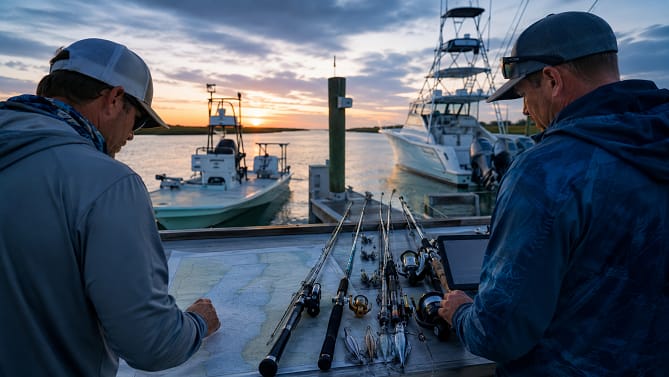
Volunteers help make tournaments feel organized and welcoming. Sponsors help support continuity. Families keep the event from becoming isolated from the community. Spectators turn weigh-ins and awards into public sports moments.
That matters in a place like South Padre because fishing tourism depends on more than catches. A visitor may come to watch, support a family member, attend a junior event, or enjoy the tournament atmosphere before ever entering the competition. That kind of exposure can turn casual interest into future participation.
The strongest fishing towns understand that. They do not hide tournament culture behind closed doors. They let the community see it.
What Anglers Should Watch During The 2026 Event
The 86th TIFT gives anglers several storylines to watch. The first is participation across divisions. Bay, tarpon, and offshore categories show how different segments of the saltwater community are engaging with the event.
The second is junior involvement. Playday participation is one of the clearest indicators of whether families are still seeing the tournament as a place for young anglers.
The third is access and logistics. Late July and early August can bring heavy summer traffic around South Padre and Port Isabel, and tournament weeks test the region’s docks, roads, ramps, parking, and waterfront services.
The fourth is weather. South Texas summer conditions can shift quickly, and offshore crews especially must build their plans around wind, storms, heat, and safe return windows.
The fifth is conservation behavior. High-profile events can model fish handling, boating etiquette, and respect for the Laguna Madre and Gulf systems.
Those storylines matter because tournament value is not measured only by winners. It is also measured by how well the event supports the coastal fishing culture around it.
Why TIFT Keeps South Padre Visible
The 86th Texas International Fishing Tournament keeps South Padre visible because it brings the region’s fishing identity into one concentrated week. The event shows the bay, the Gulf, junior anglers, families, spectators, sponsors, volunteers, and tournament crews all working inside the same coastal rhythm.
That visibility matters in a crowded Texas fishing calendar. Many communities host tournaments. Fewer can claim a setting that combines Laguna Madre flats, Gulf access, a major summer tourism destination, and a tournament with decades of recognition.
South Padre’s challenge is to keep that visibility connected to responsible access. New infrastructure, tournament tradition, youth programming, and conservation awareness all need to move together. When they do, the region becomes more than a place to fish. It becomes a place where fishing culture stays public, organized, and generational.
TIFT’s 86th edition shows that South Padre and Port Isabel still have that role. The tournament keeps bay fishing and offshore competition in the same conversation, and that is exactly why it still matters.