
If you’ve fished even a handful of tournaments along the Texas coast this year, you’ve felt it—the calendar is fuller than ever. From early spring events in Galveston Bay to late-season showdowns in Port Aransas and the Laguna Madre, 2026 is shaping up to be one of the busiest years in Texas tournament fishing history.
What used to be a handful of marquee events spaced throughout the year has evolved into a near-continuous rotation of competitions. Weekend anglers now face choices: fish local, travel for bigger payouts, or try to chase multiple circuits at once.
But with that growth comes a critical question—is more competition making the field stronger, or spreading it too thin?
Why The Tournament Calendar Is Expanding
The increase in events isn’t happening by accident. It’s the result of multiple forces converging at once.
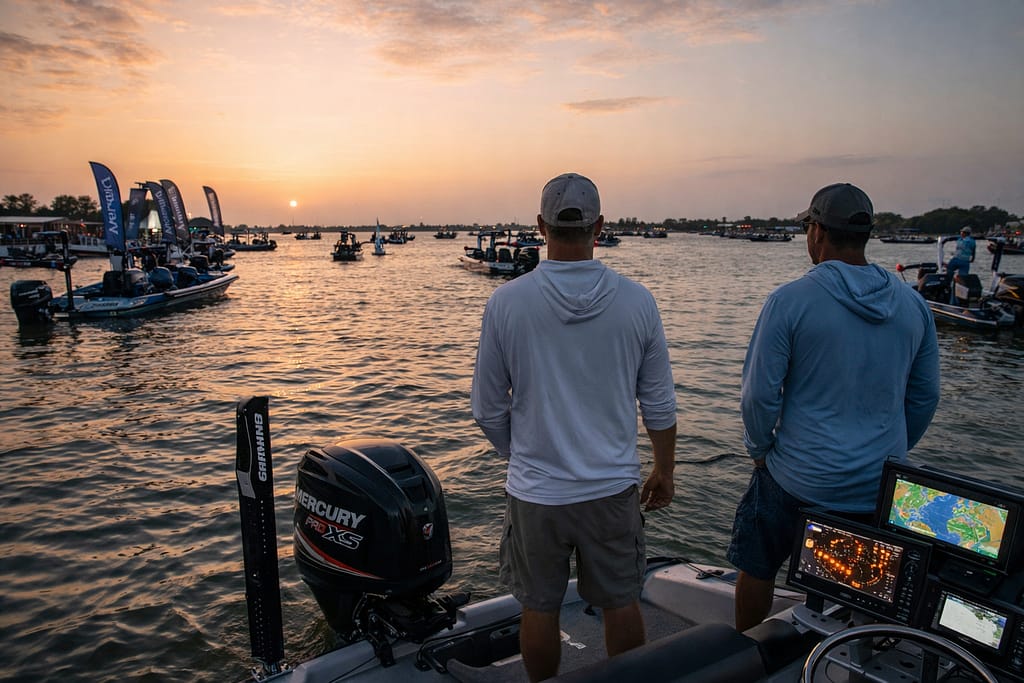
Tournament participation has surged across Texas, fueled by a new generation of anglers, improved accessibility to boats and gear, and a rising interest in competitive fishing culture. At the same time, sponsors and local communities have recognized the economic value tournaments bring, leading to more events being added to the schedule.
There’s also a structural shift happening. Instead of relying solely on a few flagship tournaments, organizers are building regional circuits, team series, and specialty formats designed to attract different types of anglers. Some events focus on high payouts, while others lean into accessibility and community engagement.
The result is a calendar that no longer revolves around a few major dates—it’s now a layered ecosystem of events across the entire coast.
The Immediate Impact On Competitive Strategy
For anglers, this expansion has changed how seasons are approached. Instead of preparing for isolated tournaments, competitors are now managing schedules, travel, and fatigue across multiple events.
This shift has introduced a new kind of strategic decision-making. Anglers must weigh:
- Whether to focus on local consistency or chase bigger regional payouts
- How much time to dedicate to pre-fishing versus recovery between events
- When to peak during a long season rather than a single weekend
What’s emerging is a more calculated style of competition—one where time management and endurance matter just as much as fishing skill.
In many ways, this mirrors the mindset seen in structured circuits like the Professional Redfish League expansion, where success is built across a season rather than a single performance.
Are Larger Fields Making It Harder To Win?
One clear effect of the expanded calendar is the size of tournament fields. Many events are seeing record participation, particularly in well-known destinations like Port Aransas and Matagorda Bay.
Larger fields create deeper competition. More boats on the water means:
- Increased pressure on productive areas
- Faster pattern burnout during pre-fishing
- Narrower margins separating top teams
At the same time, the distribution of events across the calendar can dilute fields slightly, as anglers spread themselves across multiple tournaments.
This creates an interesting balance. While individual events may be more competitive at the top, the overall talent pool is being distributed across more opportunities—meaning winning still requires precision, but access to competition has widened.
The Pressure On Texas Bays And Fish Behavior
An often overlooked consequence of the expanding calendar is its impact on the fishery itself. More tournaments mean more pre-fishing, more boat traffic, and more sustained pressure on key areas.
In heavily targeted bays, redfish are already showing signs of adapting:
- Shifting into less obvious feeding zones
- Shortening feeding windows
- Becoming more selective under pressure
These behavioral changes are subtle, but they matter—especially in competitive settings where ounces separate winners from the rest of the field.
According to insights supported by Texas Parks and Wildlife coastal fisheries data, maintaining healthy redfish populations depends on balancing fishing pressure with responsible management and angler awareness.
For tournament anglers, this means evolving alongside the fish. Patterns that worked even a year ago may no longer hold under increased pressure.
Local Events Versus Major Circuits
Not all tournaments are experiencing growth in the same way. The expanding calendar has created a clear divide between local grassroots events and large-scale circuits.
Smaller, community-driven tournaments continue to thrive because they offer accessibility and familiarity. These events are often less about prize money and more about participation and local pride.
Meanwhile, major circuits are becoming more competitive and more demanding, attracting anglers willing to travel and invest heavily in preparation.
This dual structure is shaping the future of Texas tournament fishing. It allows:
- Entry points for newer anglers
- High-level competition for experienced teams
- A steady pipeline from local events into elite circuits
Rather than competing with each other, these tiers are starting to support the overall growth of the sport.
Economic Growth And Coastal Communities
With more events on the calendar, the economic impact along the Texas coast continues to expand. Tournament weekends now bring consistent traffic to coastal towns, not just during peak seasons but throughout the year.
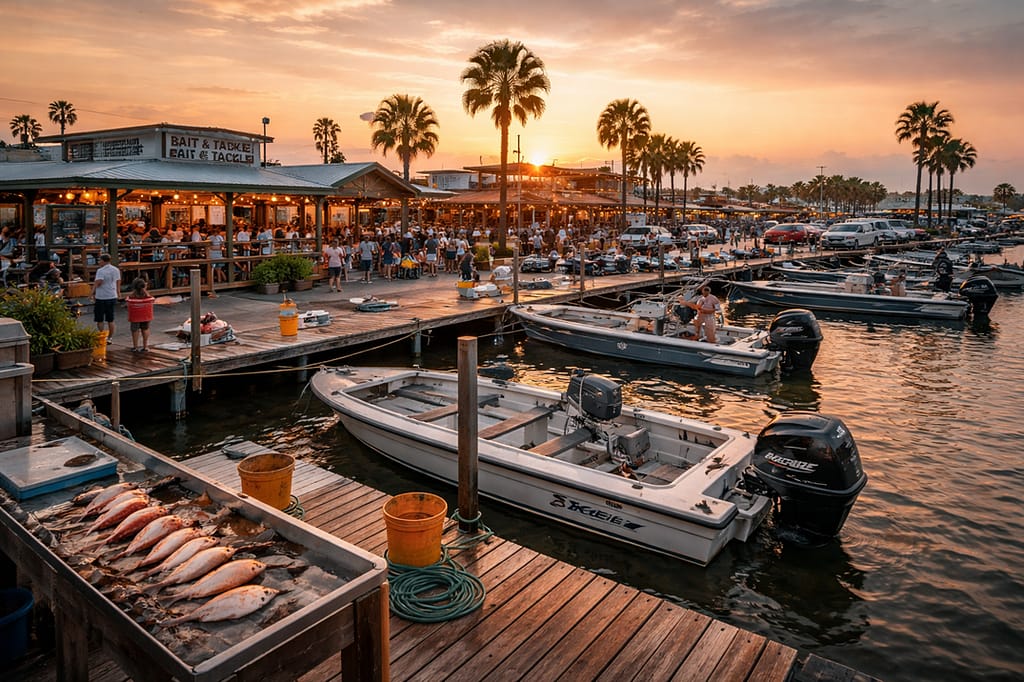
Hotels, marinas, bait shops, and restaurants all benefit from this steady influx. In areas like Port Aransas, tournaments have become a core part of the local economy, reinforcing the connection between fishing culture and community growth.
This economic stability is one of the reasons more events are being added—it’s not just about competition, it’s about sustaining coastal economies through year-round activity.
Finding The Balance Between Growth And Sustainability
As the 2026 season unfolds, the question isn’t whether tournament fishing is growing—it clearly is. The real question is whether that growth can be sustained without compromising the quality of competition or the health of the fishery.
Too many events could lead to fatigue among anglers and pressure on key fishing zones. Too few, and the momentum behind the sport could slow.
Right now, Texas appears to be finding a workable balance. The diversity of events allows anglers to choose their level of involvement, while the strength of the redfish population continues to support competitive pressure.
What The Expanding Calendar Means Going Forward
The expanding tournament calendar isn’t diluting competition—it’s redefining it.
Instead of concentrating talent into a few events, Texas is spreading opportunity across an entire season. That creates more entry points, more strategic depth, and more ways for anglers to engage with the sport.
At the same time, it raises the bar. With more events comes more pressure, more adaptation, and a greater need for consistency.
For anglers willing to adjust, the current landscape offers something rare: a chance to compete more often, learn faster, and push deeper into the evolving world of Texas redfish tournaments.