
Texas anglers are used to thinking about catch-and-release as an ethic. The Gulf-wide disCARD study asks them to think about it as data, too. The Texas Parks and Wildlife Department is partnering with Mississippi State University and the other Gulf state agencies on a new reef fish discard project that relies on anglers filling out hybrid catch cards and submitting trip information after offshore fishing. For Texas saltwater anglers, the study could change how released fish are counted, how red snapper management is discussed, and how private recreational effort is understood from Galveston Bay to the Lower Laguna Madre.
Why Catch-And-Release Data Has Become A Management Issue
A kept red snapper is relatively easy to understand in fisheries management. It can be counted against a recreational harvest estimate, tied to bag limits, and folded into season modeling. Released fish are harder. Anglers may release undersized fish, fish over the bag limit, non-target reef species, or fish they choose not to keep. Some survive. Some do not. That uncertainty creates a blind spot for managers trying to estimate total fishing impact.
TPWD said the new federal red snapper season update includes the disCARD project as part of its broader work to collect better information for managing state and federal red snapper seasons in coastal waters. The study will rely on saltwater anglers submitting data from cards distributed at selected boat ramps.
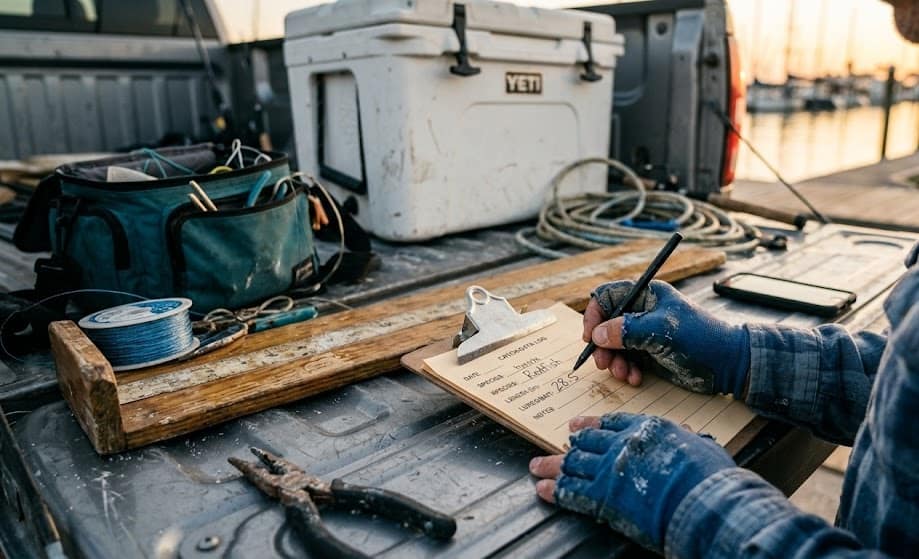
That makes the study different from a standard survey. It brings the angler closer to the data stream at the point where catch-and-release decisions actually happen. Instead of treating releases as background noise, the disCARD project asks whether anglers can help document them in a way that improves stock assessments.
For Texas fishermen, that is a meaningful shift. Many offshore crews already talk about release tools, barotrauma, slot limits, bag limits, and fish handling. The disCARD study adds a new layer: what happens after a fish goes back over the side may still matter to future season decisions.
How The disCARD Study Works On The Texas Coast
The Texas portion of the disCARD study is focused on the Galveston, San Antonio, and Lower Laguna Madre Bay systems. TPWD said the project will run in those areas for 18 months and that the information will support ongoing assessments used to determine sustainable harvest levels for species such as red snapper.
Those three areas give the study a useful Texas spread. Galveston represents the upper coast and a major metropolitan fishing base. San Antonio Bay sits in a middle-coast zone where anglers may have different access patterns, trip lengths, and offshore habits. The Lower Laguna Madre connects the project with a south Texas fishery where geography, distance, and weather can shape recreational behavior in a different way.
Mississippi State University’s disCARD project overview describes the broader effort as a Gulf-wide system designed to collect information on reef fish caught and released by recreational anglers. The project is led through Mississippi State University, with funding support from NOAA Fisheries and the Gulf States Marine Fisheries Commission.
The method is intentionally simple. Anglers receive a card, record information from the trip, and submit it electronically. Reporting does not require a complicated new app workflow. That matters at the boat ramp, where tired crews are cleaning gear, managing fish boxes, loading trailers, and trying to get home before the day stretches too long.
| Texas Study Area | Why It Matters | What It Could Show |
|---|---|---|
| Galveston Bay System | Upper-coast access and heavy recreational effort | How high-traffic ramps contribute to reef fish release data |
| San Antonio Bay System | Middle-coast trip patterns and varied access points | How regional fishing behavior differs from larger metro areas |
| Lower Laguna Madre | South Texas geography and longer coastal planning | How distance, weather, and offshore effort affect discard reporting |
The study does not replace normal regulations. It adds a reporting tool that could give managers a clearer view of fish that never appear at the cleaning table.
Why Red Snapper Is The Species Texas Anglers Will Watch Closely
Red snapper is the natural focus for many Texas anglers watching the disCARD study. The species sits at the center of state and federal season discussions, offshore family trips, charter planning, private boat effort, and Gulf-wide management debates. When data gaps appear around released fish, red snapper becomes one of the most valuable species to understand.
Texas’ 2026 federal private recreational red snapper season opened May 22, giving private offshore anglers an earlier start than the typical June 1 opening. That timing already changed summer planning for many crews, as covered in this site’s recent look at the Texas federal red snapper opening. The disCARD project adds another layer to that same conversation.
If more anglers are fishing federal waters earlier in the summer, then released reef fish become part of the management picture. A trip may include legal keepers, undersized snapper, fish released after a limit is reached, or non-target reef species caught while working structure. Those releases can be easy to overlook in casual dock talk, but they are not invisible to the fishery.
NOAA Fisheries has described the disCARD concept as a hybrid catch-card approach for quantifying discarded reef fishes across the Gulf, using catch cards and electronic reporting from a probability-based sample of anglers. NOAA’s red snapper data modernization update places the project inside a wider push to improve recreational red snapper data.
That is why red snapper anglers should treat the study as more than paperwork. Better discard information can influence how managers understand fishing pressure, release mortality, season design, and sustainable harvest levels.
How Angler Participation Could Shape Better Fisheries Data
The disCARD study depends on ordinary anglers doing something many data systems struggle to get: reporting real fishing behavior shortly after it happens. That is a practical challenge. Anglers may forget. They may not understand why a released fish matters. They may assume only kept fish count. The project’s simple card-and-text structure is designed to reduce that friction.
Texas Saltwater Fishing Magazine reported that disCARD cards in Texas will be distributed at ramps in the Galveston Bay, San Antonio Bay, and Lower Laguna Madre areas, and that anglers can submit a photo of the completed card by text after the trip. That Texas disCARD explanation gives coastal anglers a useful view of what participation may look like at the ramp.
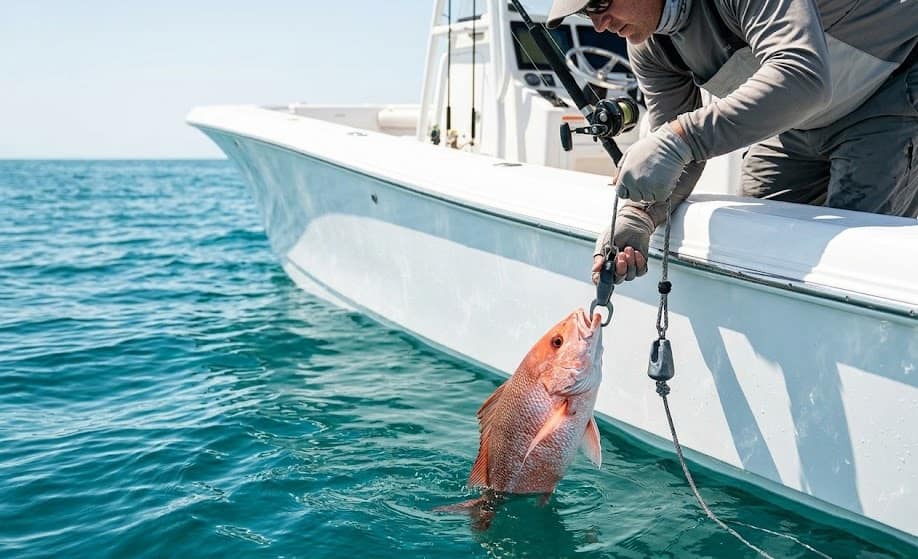
That structure fits the way private recreational fishing actually works. A private boat crew may leave before sunrise, fish offshore structure, sort through several species, return tired, and deal with gear, fuel, fish cleaning, and trailering. A study that asks for a complicated reporting process is likely to lose participation. A card that can be photographed and texted has a better chance.
The strongest part of the design is that it treats anglers as partners, not just subjects. Texas anglers have long argued that recreational fishing data should better reflect what happens on the water. The disCARD study gives them a direct role in improving that record.
Participation will still need trust. Anglers must believe the data will be used responsibly. They must see that accurate reporting helps keep seasons credible, supports sustainable access, and gives managers better evidence than assumptions.
Why Release Mortality Turns A Good Habit Into A Data Question
Catch-and-release is often described as the responsible choice, and in many cases it is. Yet reef fish management is more complicated than simply putting fish back. Depth, handling time, hook location, water temperature, predator presence, and barotrauma can all affect whether a released fish survives.
That is why release data matters. A discarded reef fish is not automatically a fish with no management impact. If managers do not know how many fish are being released, what species they are, what size classes they represent, or where those releases occur, they are working with an incomplete picture.
For Texas anglers, this does not mean catch-and-release is wrong. It means catch-and-release has to be understood with more detail. A well-handled fish released with the right tools is different from a fish released late, mishandled, or suffering severe pressure injury. Good data can help separate those outcomes more clearly.
The disCARD project could push more conversations toward practical fish handling. Descending devices, venting tools, faster releases, better measuring habits, and species identification become part of the same management culture as reporting. The data card may be small, but the habit behind it is bigger.
If the study succeeds, anglers may begin to see every release as part of the fishery record. That would be a major cultural change for private recreational fishing, where kept fish have historically received far more attention than discarded fish.
How The Gulf-Wide Design Makes Texas Data More Useful
Texas does not manage red snapper in isolation. Gulf reef fish move across political boundaries, and recreational fishing pressure differs from state to state. A Texas-only view can help local managers, but a Gulf-wide framework gives the data more context.
The disCARD project includes all five Gulf state agencies: Texas, Louisiana, Mississippi, Alabama, and Florida. That regional design matters because anglers in each state use different ramps, distances, gear, traditions, and offshore access patterns. A release profile from Galveston may not look like one from coastal Alabama or Florida’s Panhandle. A Gulf-wide study can show where those differences matter.
For Texas, the benefit is comparison. If release behavior, species mix, or discard rates vary by region, managers can better understand how Texas fits inside the broader Gulf fishery. That can help when agencies discuss allocation, harvest estimates, season structure, and recreational reporting systems.
The study may also show where angler education needs to improve. If one region records higher releases of certain reef fish, or if certain trip types generate more discards, agencies can focus outreach more intelligently. That could lead to better ramp materials, clearer rule explanations, more targeted release-tool messaging, and improved communication before peak summer fishing periods.
What Texas Anglers Should Watch As The Study Develops
The disCARD study is not likely to change Texas fishing overnight. Its value will come from the quality and consistency of the data collected across the 18-month window. Anglers should watch where cards are distributed, how many crews participate, what species are emphasized, and how agencies communicate results once enough information is gathered.
The most useful outcome would be a clearer link between angler effort and management decisions. If fishermen can see that their reporting helps shape better estimates, the project may earn long-term support. If the results disappear into technical reports with little public explanation, participation may be harder to sustain.
Texas anglers should also watch whether this model spreads beyond the initial study sites. Galveston, San Antonio Bay, and the Lower Laguna Madre are strong starting points, but Texas has many other offshore launch patterns. Matagorda, Freeport, Port O’Connor, Port Aransas, Corpus Christi, and other coastal access points could all raise future questions about discard reporting.
The study’s larger lesson is simple: fisheries data is no longer something that happens only in agency offices. It can begin at the ramp, on the deck, and in the hands of anglers who are willing to record what they catch and release.
Why The disCARD Study Matters Beyond One Season
The Gulf-wide disCARD study matters because it connects daily fishing behavior with long-term access. Texas anglers care about red snapper seasons, reef fish limits, offshore opportunity, and the health of the coast. Better catch-and-release data touches all of those issues.
The project will not remove every disagreement around red snapper management. It will not make weather easier, guarantee longer seasons, or settle every debate between private anglers, charter operators, and agencies. What it can do is fill a data gap that has shaped those conversations for years.
For Texas anglers, that makes participation worth taking seriously. A completed catch card may feel small compared with a full offshore trip, but enough cards can help show what is being released, where it is happening, and how those fish should be counted in future assessments.
That is why disCARD could change the way Texas anglers think about catch-and-release. A released fish is no longer just a personal choice on the water. It can become part of the evidence that helps define the next season, the next regulation discussion, and the next chapter of Gulf reef fish management.