
In the ever-evolving world of bass fishing, where new lures and techniques constantly emerge, one setup has stood the test of time theTexas rig. Simple, versatile, and incredibly effective, this rig has become a cornerstone for anglers at every skill level.
Whether you’re fishing thick vegetation, rocky bottoms, or open water, the Texas rig offers a reliable way to present soft plastic baits in a natural and snag-resistant manner. Its adaptability makes it a go-to choice for beginners learning the basics and seasoned anglers targeting trophy bass.
What sets the Texas rig apart is not just its simplicity, but its ability to perform in nearly any condition. When mastered, it can easily become the only soft plastic setup you need in your arsenal.
Understanding the Texas Rig Setup
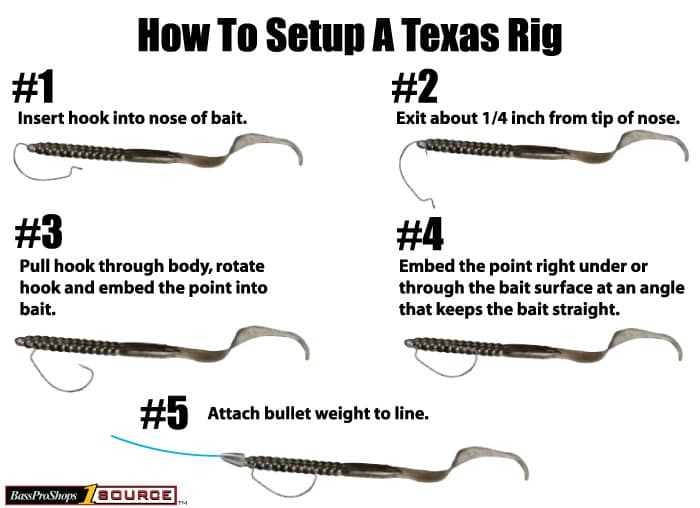
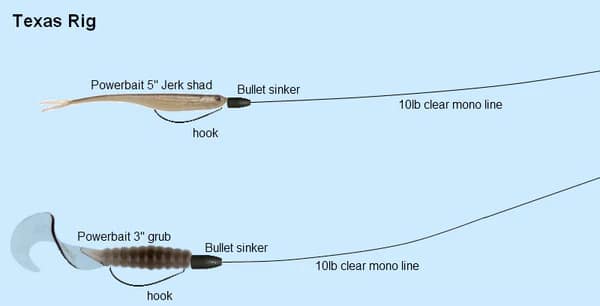
At its core, the Texas rig is built around a few basic components: a hook, a soft plastic bait, and a bullet-shaped weight. Despite its simplicity, each element plays a critical role in how the rig performs in the water.
The weight is threaded onto the line first, allowing it to slide freely. This design gives the bait a natural falling motion that mimics prey. Next comes the hook, typically an offset worm hook, which is designed to hold the bait securely while remaining weedless.
The soft plastic is then rigged in a way that hides the hook point within the bait. This weedless design allows anglers to cast into heavy cover such as grass, brush, and submerged timber without constantly getting snagged.
The beauty of the Texas rig lies in this combination of stealth and durability. It can navigate areas where other rigs struggle, making it one of the most dependable setups in bass fishing.
Choosing the Right Soft Plastic for the Job
One of the biggest advantages of the Texas rig is its compatibility with a wide range of soft plastic baits. From classic worms to creature baits and crawfish imitations, the possibilities are nearly endless.
The choice of bait often depends on the conditions and the behavior of the fish. In clear water, more natural colors tend to perform better, while darker or brighter colors can be more effective in murky conditions.
Size also plays a role. Larger baits can attract bigger fish, but smaller profiles may produce more consistent bites, especially when bass are less aggressive.
Rather than relying on a single option, successful anglers experiment with different shapes, sizes, and colors until they find what works best on a given day.
How to Fish the Texas Rig Effectively
Using a Texas rig effectively requires more than just casting and retrieving. The key is understanding how to present the bait in a way that triggers strikes.
The most common technique involves letting the bait sink to the bottom and then slowly dragging or hopping it along. This movement imitates natural prey, such as a worm or crawfish, moving across the lake floor.
Patience is essential. Bass often strike subtly, and detecting these bites requires focus and sensitivity. When you feel a slight tap or unusual resistance, it’s important to react quickly with a firm hook set.
Fishing the Texas rig in heavy cover is particularly effective. By targeting areas where bass are likely to hide, such as under logs or within vegetation, anglers can increase their chances of success.
Adjusting Weight and Presentation for Different Conditions
The versatility of the Texas rig extends to its ability to adapt to various environments. One of the most important adjustments anglers can make is selecting the appropriate weight.
Heavier weights allow the bait to penetrate dense cover and reach deeper water quickly. Lighter weights, on the other hand, create a slower, more natural fall that can be more appealing to cautious fish.
Weather, water clarity, and depth all influence how the rig should be presented. In colder conditions, a slower presentation often works best, while warmer temperatures may call for more aggressive movements.
By making small adjustments, anglers can fine-tune their approach and maximize the effectiveness of the Texas rig.
Common Mistakes That Limit Success
Even though the Texas rig is beginner-friendly, there are several common mistakes that can reduce its effectiveness. One of the most frequent issues is rigging the bait incorrectly, which can affect its movement and reduce its appeal.
Another mistake is moving the bait too quickly. The Texas rig is designed to mimic natural prey, and rushing the presentation can make it look unnatural.
Anglers also sometimes overlook line sensitivity. Using the right line and maintaining contact with the bait are crucial for detecting subtle bites.
Avoiding these pitfalls can significantly improve your results and help you get the most out of this versatile setup.
Why the Texas Rig Is All You Really Need
With so many techniques available, it’s easy to feel overwhelmed by the variety of options in bass fishing. However, the Texas rig stands out because of its simplicity, reliability, and adaptability.
It works in nearly every type of water, can be paired with countless bait options, and allows anglers to target fish in areas that are otherwise difficult to reach. This versatility makes it an ideal choice for anyone looking to simplify their approach without sacrificing effectiveness.
Many experienced anglers rely on the Texas rig as their primary setup, confident in its ability to produce results under a wide range of conditions.
Final Thoughts: Mastery Comes with Practice
Mastering the Texas rig is not about memorizing a set of rules it’s about understanding how fish behave and adapting your approach accordingly. With time and practice, the nuances of this setup become second nature.
By focusing on proper rigging, thoughtful presentation, and consistent experimentation, anglers can unlock the full potential of the Texas rig. Whether you’re fishing from the bank or a boat, this technique offers a dependable path to success.
In a sport filled with complexity, the Texas rig proves that sometimes the simplest solutions are the most effective.