
After years of fragmentation across regional tournaments and emerging circuits, 2026 is marking something bigger—the return of elite-level redfish competition with national attention. The revival of Rudy’s Pro Redfish Series isn’t just another tournament announcement. It represents a shift back toward structured, high-payout, professionally organized competition on the Texas coast.
For anglers, this changes the landscape. For the fishery, it increases pressure. And for Texas as a whole, it reinforces its position as the center of competitive redfish fishing in the Gulf.
Why Elite Circuits Matter More Than Ever
At the grassroots level, tournament fishing has been booming—but elite circuits operate differently. They bring:
- Larger prize pools
- Strict qualification pathways
- Increased media visibility
- Higher competitive standards
That combination creates a different kind of pressure. Anglers aren’t just fishing for a weekend payout—they’re competing for status, sponsorship visibility, and long-term positioning within the sport.
The return of a circuit like Rudy’s signals that competitive redfish fishing is maturing again, moving beyond scattered events into a more defined professional tier.
What Sets Rudy’s Pro Redfish Series Apart
Not all tournaments are built the same. Rudy’s Pro Redfish Series has historically stood out because of its emphasis on both competition and structure.
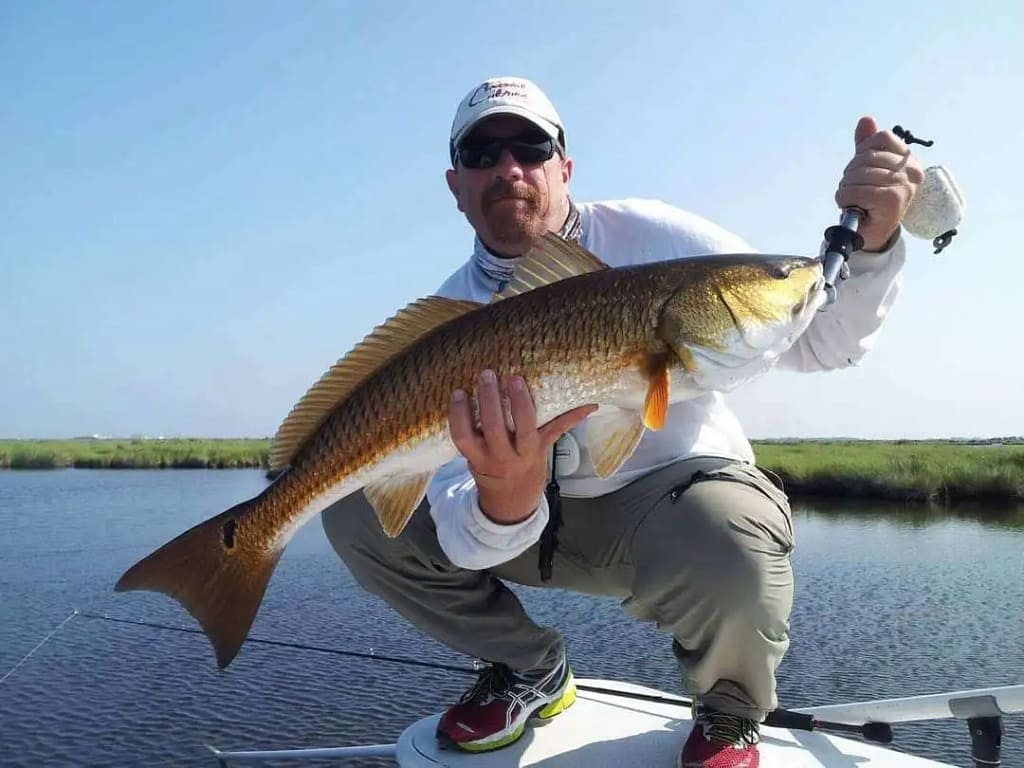
Key elements expected in the 2026 comeback include:
| Feature | Impact On Competition |
|---|---|
| Elite Field Size | Higher skill concentration |
| Standardized Rules | Consistent competitive environment |
| Multi-Event Format | Points-based season strategy |
| High Payouts | Increased stakes and preparation |
| Media Coverage | Greater exposure for anglers |
This structure forces anglers to think beyond single events. Success becomes about consistency across locations, not just finding one winning pattern.
Texas As The Centerpiece Of The Comeback
While the series spans multiple Gulf regions, Texas remains the backbone. That’s no accident.
Texas offers:
- One of the healthiest redfish populations in the Gulf
- A wide range of fishable environments
- Established tournament infrastructure in places like Port Aransas and Matagorda
According to the NOAA red drum stock assessments, Gulf Coast redfish populations remain stable and well-managed, allowing for sustained competitive pressure without compromising long-term health.
This stability is exactly what elite circuits need—a fishery that can perform under national attention.
How The Series Changes Strategy For Anglers
The return of a structured elite circuit forces a different approach. Weekend tournament tactics aren’t enough anymore.
Anglers preparing for a multi-event series must now:
- Develop adaptable patterns across multiple bays
- Prioritize consistency over high-risk decisions
- Manage time, travel, and pre-fishing more efficiently
Instead of chasing a single big day, competitors are focused on building a season.
This evolution mirrors the mindset already seen in high-level events like the Texas Redfish Series competition format, where anglers who can consistently locate slot fish outperform those relying on isolated success.
Increased Pressure On Key Texas Fisheries
With elite circuits returning, pressure on certain bays is inevitable. Areas like:
- Port Aransas
- Upper Laguna Madre
- Matagorda Bay
will see heavier pre-fishing activity, increased boat traffic, and more refined fishing pressure.
This doesn’t necessarily hurt the fishery—but it changes fish behavior. Redfish in heavily pressured zones tend to:
- Become more selective
- Shift feeding windows
- Move into less accessible areas
For elite anglers, that creates another layer of complexity. Winning isn’t just about finding fish—it’s about finding fish that haven’t been conditioned by weeks of pressure.
The Economic Ripple Effect Along The Coast
The return of a major circuit doesn’t just impact anglers—it impacts entire coastal communities.
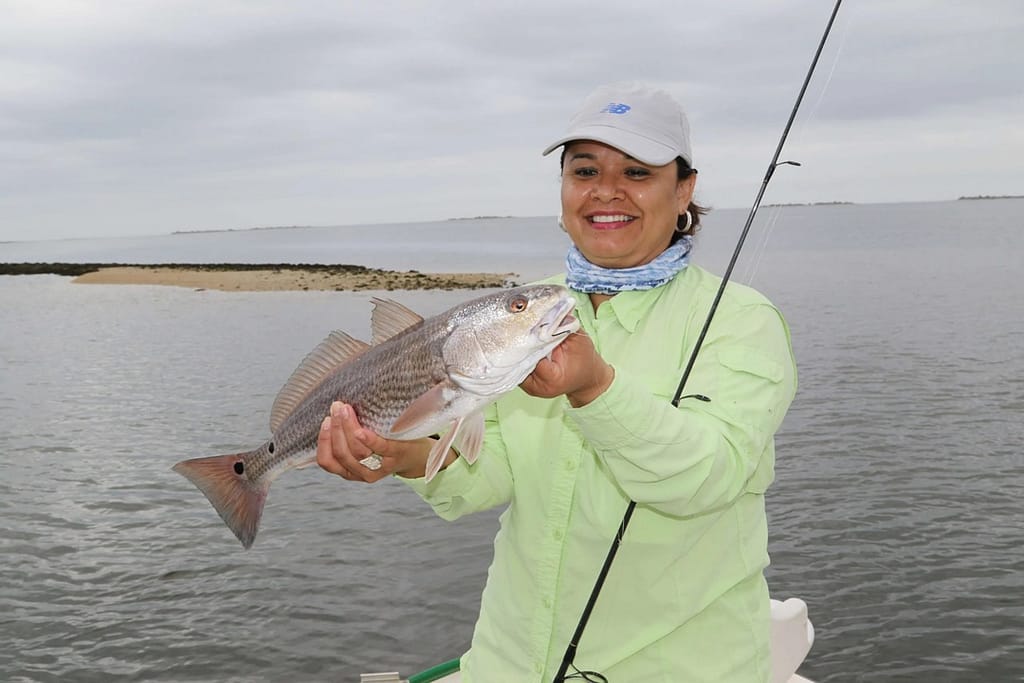
Tournament weeks bring:
- Increased lodging demand
- Higher fuel sales at marinas
- More traffic to bait and tackle shops
- Restaurant and service industry growth
Unlike smaller events, elite circuits tend to draw traveling teams, sponsors, and media crews. That creates a broader economic footprint, reinforcing the connection between competitive fishing and coastal economies.
In many ways, these tournaments function as both sporting events and economic drivers.
Opportunities For Rising Anglers
One of the most important aspects of the series’ return is what it offers to up-and-coming competitors.
With more structured circuits, anglers now have:
- Clearer pathways into higher-level competition
- More opportunities to gain exposure
- A chance to compete directly against established teams
This is particularly important in 2026, as tournament participation continues to grow across Texas. The presence of elite circuits helps anchor that growth, giving ambitious anglers something to work toward.
What This Means For The Future Of Redfish Competition
The return of Rudy’s Pro Redfish Series isn’t just about one circuit—it’s about direction. It signals a move toward a more organized, more visible, and more competitive future for redfish tournaments.
Texas, once again, sits at the center of that evolution.
As more circuits expand and participation continues to rise, the line between recreational competition and professional-level angling will continue to blur. For some, that means opportunity. For others, it means adaptation.
But for everyone on the Texas coast, one thing is clear: the next era of redfish competition is already underway—and it’s bigger than before.