
Competitive redfish fishing in Texas is entering a new phase. The Professional Redfish League (PRL) is expanding its footprint across the Gulf Coast in 2026, bringing structured formats, higher entry stakes, and a more defined competitive pathway for serious anglers.
With multiple events scheduled in Port Aransas and Corpus Christi, the league is positioning itself as a central force in shaping how modern redfish tournaments are fished, scored, and won.
For coastal anglers, this expansion signals more than just new tournaments—it reflects a broader shift toward professionalism, consistency, and strategy-driven competition.
The Structure Of The 2026 PRL Season
The 2026 PRL Texas division is built around a multi-event series format, with anglers competing across several tournaments to accumulate points and standings.
Events typically feature:
- Two-man team divisions
- Multi-day competition formats
- Live weigh-ins at coastal venues
Each tournament follows a standardized structure: teams aim to bring in five redfish over two days, with strict slot limits and scoring rules.
| Format Element | Tournament Impact |
|---|---|
| 2-Day Events | Emphasizes consistency over luck |
| 5-Fish Limit | Rewards pattern-building strategy |
| Slot Range (20–28”) | Focus on legal tournament fish |
| Artificial Only | Skill-based lure presentation |
This structure forces anglers to think beyond a single big catch. Success now depends on repeatability, pattern recognition, and disciplined execution.
Port Aransas As The Competitive Hub
Port Aransas continues to anchor the PRL’s Texas expansion, hosting multiple events throughout the season.
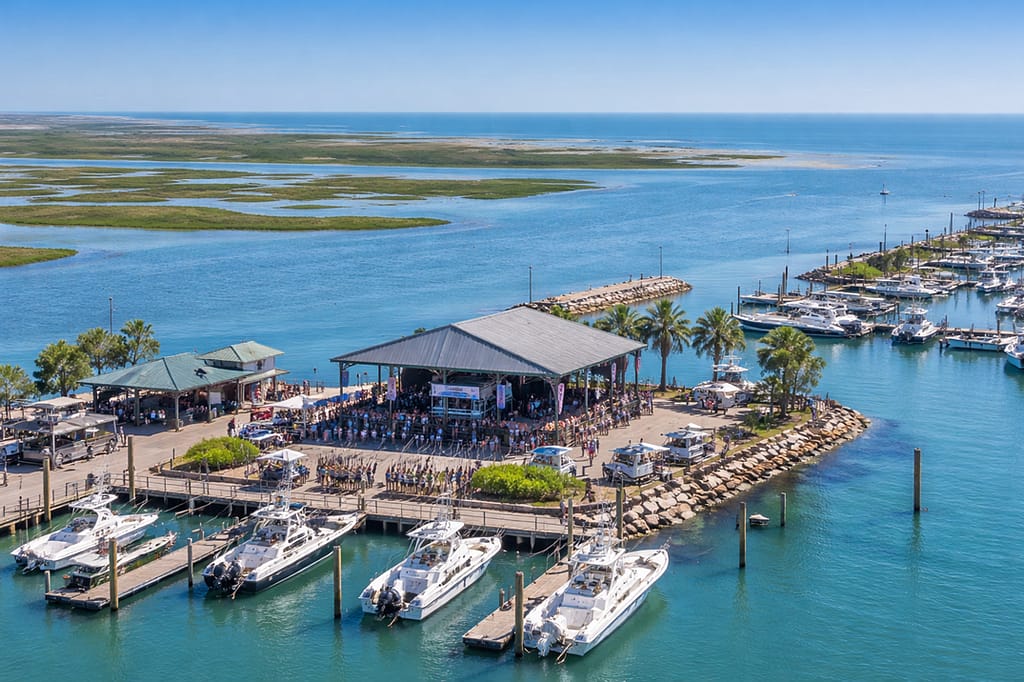
Major 2026 tournaments are scheduled at Roberts Point Park Pavilion, reinforcing the area’s reputation as a premier redfish destination.
The region offers:
- Vast shallow flats and marsh systems
- Strong populations of slot-sized redfish
- Diverse water conditions that reward adaptability
This combination makes Port A an ideal proving ground for competitive anglers, where local knowledge must be paired with precise execution.
For anglers familiar with coastal tournament strategies, the area’s complexity adds an extra layer of challenge that separates consistent teams from the rest of the field.
Rising Entry Fees And Higher Stakes
As the league expands, so do the financial stakes.
Entry fees for PRL events typically range from $750 to $1,000 per tournament, with additional side pots like Big Fish and Calcutta payouts increasing potential earnings.
This shift reflects a broader trend toward professional-level competition:
- Higher buy-ins attract more serious anglers
- Structured payouts reward consistent performance
- Tournament fishing becomes a calculated investment
The result is a more competitive field where preparation, not chance, determines success.
Strategy Over Size: The Modern Tournament Mindset
Unlike traditional recreational fishing, PRL events emphasize slot fish consistency over trophy hunting.
Anglers are required to target redfish within a narrow legal size range, forcing teams to locate areas that consistently produce qualifying fish.
Winning teams typically rely on:
- Pre-fishing to identify repeatable patterns
- Tracking tide movements across multiple zones
- Rotating between spots to maintain limits
This evolution in strategy aligns closely with what we’ve seen in team redfish tournament playbooks, where pattern-based fishing consistently outperforms random success.
The days of winning with a single standout fish are largely gone—modern tournaments reward discipline and efficiency.
Expanding Divisions And Competitive Opportunities
The PRL’s growth also includes multiple divisions designed to broaden participation:
- Two-man team series
- Single-man competition formats
- Ladies team events
Each division operates under similar principles but introduces variations in format, scoring, and strategy.
This diversification creates entry points for anglers at different experience levels while maintaining a unified competitive structure.
At its core, the league aims to build a platform that combines competition with conservation-minded fishing practices.
Conservation And Competitive Fishing Alignment
One of the defining aspects of modern redfish tournaments is the emphasis on sustainability.
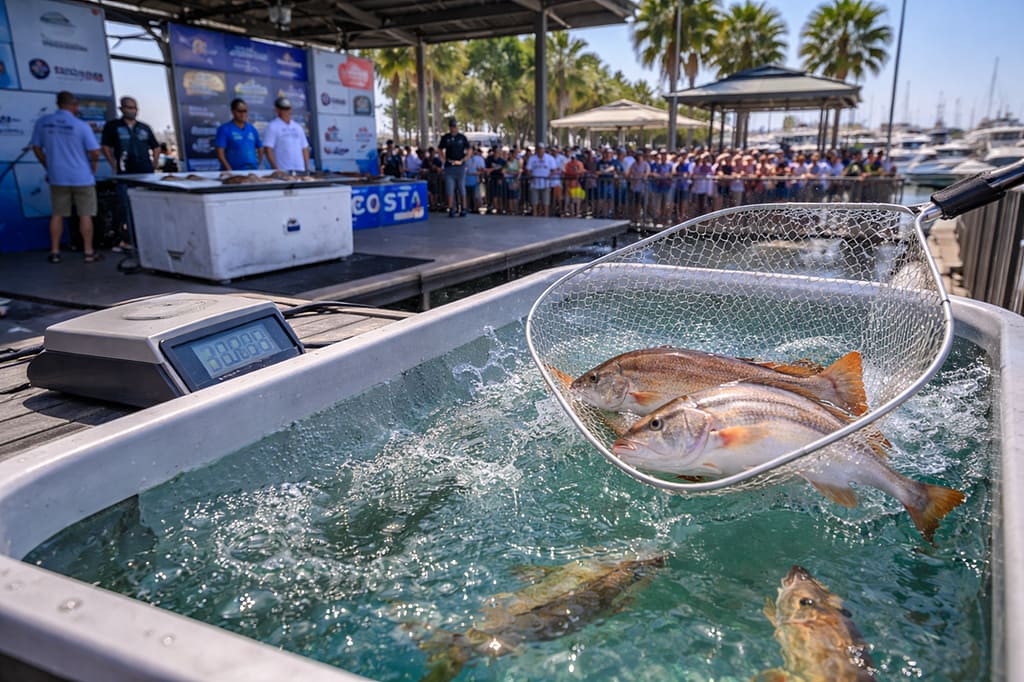
PRL events enforce:
- Strict slot limits
- Penalties for dead fish
- Controlled weigh-in systems
These measures ensure that competitive fishing aligns with long-term conservation goals.
According to the NOAA fisheries conservation programs, sustainable fishing practices are essential for maintaining healthy coastal ecosystems and fish populations over time.
This alignment between competition and conservation is critical for preserving Texas’ reputation as a premier redfish fishery.
What This Means For Texas Coastal Anglers
The expansion of the Professional Redfish League signals a clear direction for the future of competitive fishing in Texas.
For anglers, it means:
- More opportunities to compete at a higher level
- Greater emphasis on preparation and strategy
- A shift toward structured, professional formats
It also raises the standard for what it takes to succeed.
Whether entering tournaments or simply learning from them, anglers can apply these principles to improve their own success on the water.
A New Era Of Redfish Competition
The 2026 PRL season represents more than just an expanded schedule—it marks a transition toward a more refined and competitive era of redfish fishing.
With standardized rules, growing participation, and increasing stakes, Texas is quickly becoming a focal point for organized inshore competition.
For those willing to adapt, study patterns, and fish with precision, the opportunities have never been greater