
Clear Lake’s latest alligator advisory gives Texas anglers a direct reminder that summer fishing safety is not only about heat, boat traffic, hooks, or weather. It also includes knowing how to share public water with native wildlife. On July 8, 2026, Nassau Bay issued an alligator advisory because of its proximity to Clear Lake and the Upper Texas Gulf Coast, urging residents and visitors to use caution near waterways, bayous, and lakes. Two days later, a 13-foot alligator was removed from Nassau Bay with Texas Parks and Wildlife Department clearance and relocated by Bayou City Gator Savers. For anglers around Clear Lake, Nassau Bay, Armand Bayou, Horsepen Bayou, and connected neighborhood waters, the advisory changes the conversation from “where are the fish?” to “how do we fish safely in alligator habitat?”
Why The Clear Lake Advisory Matters To Anglers
The City of Nassau Bay’s alligator advisory makes the setting clear: Clear Lake and the Upper Texas Gulf Coast are natural alligator habitat, and people should exercise caution around waterways, bayous, and lakes. That is especially relevant for anglers because fishermen spend time exactly where alligators are most likely to be present: banks, shorelines, canals, boat docks, ponds, marsh edges, and quiet water near food sources.
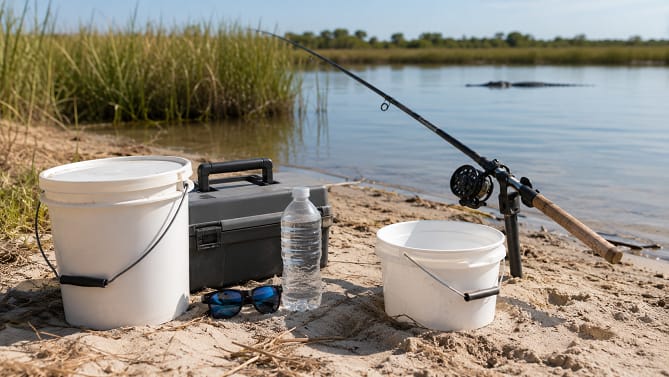
Chron reported that TPWD alerted residents and visitors on July 8 about increased alligator activity around Clear Lake, Nassau Bay, and the Upper Texas Gulf Coast. The report also noted that a 13-foot alligator was removed from Nassau Bay two days later by Bayou City Gator Savers, with TPWD clearance, and relocated to an alligator farm in El Campo.
That combination of advisory and removal should not create panic. Alligators are part of the Texas coastal ecosystem. But it should change behavior. A summer angler near Clear Lake cannot treat a shoreline like an empty casting platform. They need to watch water movement, manage bait and fish carefully, keep pets away from the edge, and leave space when an alligator shows interest.
Texas anglers often talk about reading the water for fish. In alligator country, they also need to read the water for safety.
How A 13-Foot Alligator Turned A Local Warning Into A Public Lesson
The size of the Nassau Bay alligator made the advisory feel more real. KHOU reported that the removed alligator measured 13 feet, 2 inches, according to Bayou City Gator Savers founder Tim DeRamus. That number matters because a large alligator near developed waterfront areas changes how residents, boaters, and anglers understand risk.
A big animal in a public-water setting does not automatically mean people should demand removal every time. TPWD’s alligator safety guidance emphasizes that alligators naturally occur in Texas waters and that nuisance alligators are often created when people feed them or allow them to associate humans with food.
For anglers, that is the lesson. A fish carcass tossed into the water, a bait bucket left open, a stringer hanging from a pier, or an angler continuing to fish next to an interested alligator can turn a natural encounter into a problem. Human behavior changes alligator behavior.
The Nassau Bay removal should be read as a safety reminder, not entertainment. The more anglers normalize careful habits, the less often wildlife managers have to intervene.
Why Fishing Behavior Can Create Or Reduce Alligator Risk
Alligator safety is not separate from fishing etiquette. In some situations, the safest angler is not the one who catches the most fish. It is the one who knows when to stop fishing a spot.
TPWD’s alligator safety page gives anglers direct advice: do not continue to fish near an alligator that is interested in your fishing line or catch. If an alligator takes your bait or fish, cut the line and move to a new location. TPWD also advises anglers not to use a stringer for fish in alligator habitat and to keep fish in a bucket instead.
Those are practical rules. A stringer can put struggling fish near the surface, creating an easy food cue. Repeated casting near an alligator can keep the animal engaged. Trying to retrieve bait or a hooked fish from an alligator creates unnecessary risk.
This connects with earlier Texas Sportsmen coverage of public-water fishing responsibility. Whether the issue is licensing in San Antonio or alligator behavior near Clear Lake, public fishing requires anglers to understand the setting before they cast.
The rule is simple: if the alligator is interested, the fishing spot is no longer yours.
How Summer Conditions Increase The Need For Awareness
The advisory landed in July, which matters. Chron’s coverage noted that while mating season generally runs from March to May, alligators remain active in summer because of nesting behavior, territorial movement, and environmental conditions. That means anglers cannot assume the risk disappears after spring.
Summer also brings more people to the water. Families fish from banks and docks. Kayakers and paddleboarders use calm areas. Boat traffic increases. Children and pets spend more time near shorelines. Evening fishing becomes more attractive because of heat. Those same low-light periods can also make wildlife harder to see.
Clear Lake’s geography adds another layer. The area is connected to bayous, canals, ponds, and coastal wetlands. Nassau Bay’s advisory specifically references waterways, bayous, and lakes. That means anglers should think beyond one isolated sighting. Alligator habitat can extend through connected water systems.
| Angler Situation | Why It Can Raise Risk | Safer Choice |
|---|---|---|
| Fishing At Dawn Or Dusk | Lower visibility and active wildlife movement | Keep distance from edges and scan water first |
| Keeping Fish On A Stringer | Struggling fish can attract alligators | Use a bucket instead |
| Fishing Near A Visible Alligator | The animal may associate line or catch with food | Cut the line if needed and relocate |
| Bringing Pets To The Bank | Pets can look like prey near water | Keep pets away from shorelines |
| Tossing Fish Scraps | Feeding creates nuisance behavior | Dispose of scraps properly |
These are not complicated changes. They are small decisions that reduce risk for anglers, families, and wildlife.
Why Clear Lake Anglers Need A Different Bank-Fishing Mindset
Bank fishing around Clear Lake, Nassau Bay, and nearby connected waters can be productive, but it requires a different mindset than fishing a neighborhood pond far from alligator habitat. Anglers need to choose spots with visibility, space, and safe footing. They should avoid dense vegetation at the waterline when they cannot see clearly. They should keep children back from the edge and make sure pets do not drink from or enter the water.
That kind of caution does not weaken the sport. It makes it more sustainable. Anglers who know how to share water safely help preserve access. Anglers who ignore wildlife warnings can create problems for everyone else.
The same principle appears in tournament and conservation coverage across Texas. When boaters move between lakes, they need clean-drain-dry habits. When offshore anglers fish red snapper, they need season and reporting awareness. When public-water anglers fish city rivers, they need license and access rules. Clear Lake adds another layer: wildlife-aware fishing.
A good Texas angler should be able to adapt to all of those settings.
How Parents And Pet Owners Should Think About Fishing Near Alligators
Clear Lake’s advisory should especially matter to family anglers. Fishing with children can be one of the best ways to introduce young people to Texas outdoor culture, but adults must control the setting. Kids should not wander near the shoreline while bait is being prepared. They should not retrieve bobbers or fish close to vegetation. They should not treat an alligator sighting as a photo opportunity.
Pet owners need the same discipline. Nassau Bay’s alligator advisory points residents toward TPWD safety guidelines, and TPWD warns that pets should be kept away from alligator habitat because alligators may see them as easy prey. That warning is especially important near canals, bayous, ponds, and residential waterfronts.
For anglers, pets can also complicate fishing. A dog near bait, fish, or splashing water can draw attention. If a pet is part of a fishing trip, it should stay leashed, away from the edge, and under control.
This is not about discouraging families from fishing. It is about making sure the first lesson young anglers learn is the right one: outdoor sports come with responsibility.
Why Feeding Alligators Is A Fishing Access Problem
Feeding alligators is not just a wildlife mistake. It is a fishing access problem. TPWD says nuisance alligators are almost always created by people feeding them, either intentionally or through careless behavior such as throwing fish scraps into the water. Once an alligator associates people with food, it becomes more likely to approach anglers, docks, boats, and shorelines.
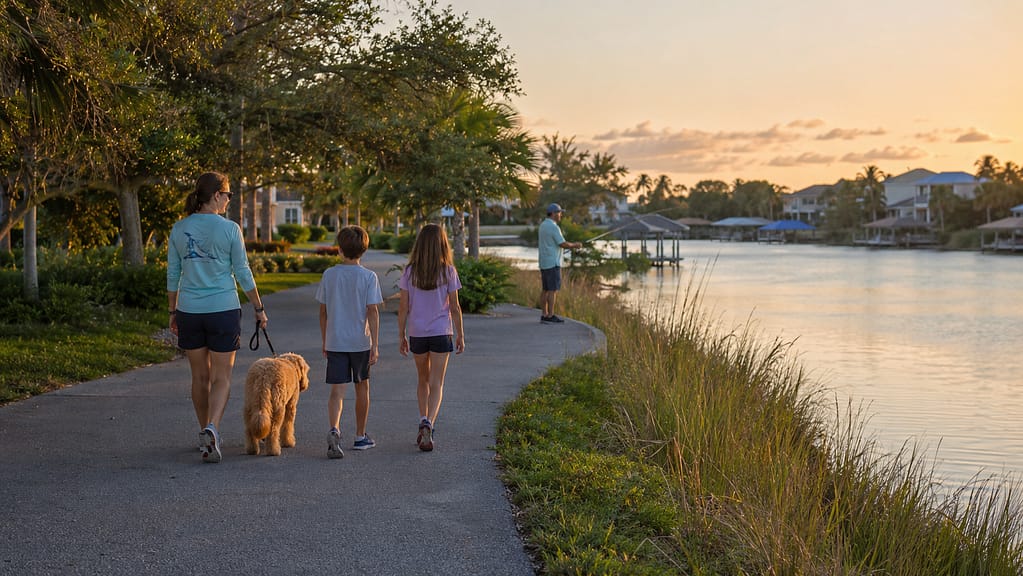
That can lead to closures, removals, citations, and conflict. It can also make a safe fishing area feel unsafe for families. One careless angler can change the behavior of an animal that many other users then have to deal with.
The Clear Lake advisory should make bait and fish-handling habits part of the safety conversation. Anglers should clean up scraps, secure bait, avoid feeding wildlife, and never try to lure an alligator for photos or video. Social media attention is not worth creating a nuisance animal.
Texas has already seen fishing-related alligator enforcement stories. The message is consistent: accidentally encountering an alligator is one thing; feeding, handling, possessing, or provoking one is another.
What Tournament And Club Anglers Can Take From Clear Lake
The Clear Lake advisory is not only for casual bank anglers. Fishing clubs, kayak anglers, youth groups, and tournament organizers should treat it as a planning reminder. If an event, practice session, or group outing happens in alligator habitat, safety instructions should be part of the briefing.
That does not mean overcomplicating every trip. It means saying the obvious before someone makes a mistake. Do not feed alligators. Do not fish beside one that is interested in bait or catch. Do not use stringers in alligator habitat. Keep pets away. Watch children. Report a truly threatening animal through the right channels.
TPWD’s alligator encounter guidance says that if an alligator is not approaching people or posing an obvious threat, people may wait a few days before contacting TPWD. If the animal appears to be a nuisance or threat, residents can contact TPWD law enforcement communications.
That distinction matters. Anglers should not overreact to every sighting, but they should also know when behavior has crossed into a safety concern.
Why This Advisory Fits The Larger Texas Sportsmen Conversation
Texas Sportsmen has covered tournament schedules, youth fishing, state park access, public fishing rules, invasive species, red snapper planning, and catch data. Clear Lake’s alligator advisory fits that same editorial line because it is about responsible access.

Fishing is not only about technique. It is about knowing the waterbody, the rulebook, the season, the habitat, and the other users sharing the space. In Clear Lake, one of those users may be an alligator.
That does not make the lake off-limits to anglers. It makes awareness part of the trip. The strongest fishing culture is not the one that ignores risk. It is the one that teaches people how to manage risk without losing respect for the outdoors.
Clear Lake’s advisory should push anglers toward better habits: scan before casting, control bait, move when wildlife shows interest, teach kids early, secure pets, and never feed alligators.
Why Safety Is Now Part Of The Clear Lake Fishing Story
Clear Lake remains part of a rich Upper Texas Gulf Coast fishing landscape. Anglers will continue to fish its connected waters, canals, bayous, and shorelines. But the July 2026 advisory makes one thing clear: summer fishing around Clear Lake has to include alligator awareness.
That awareness does not require fear. It requires space, patience, clean habits, and good judgment. A 13-foot alligator in Nassau Bay turned a local warning into a broader lesson, but the lesson is not limited to one animal. It applies to every angler who fishes near Texas alligator habitat.
The safest anglers know when to cast and when to walk away. Around Clear Lake this summer, that judgment may matter as much as any lure in the tackle box.